
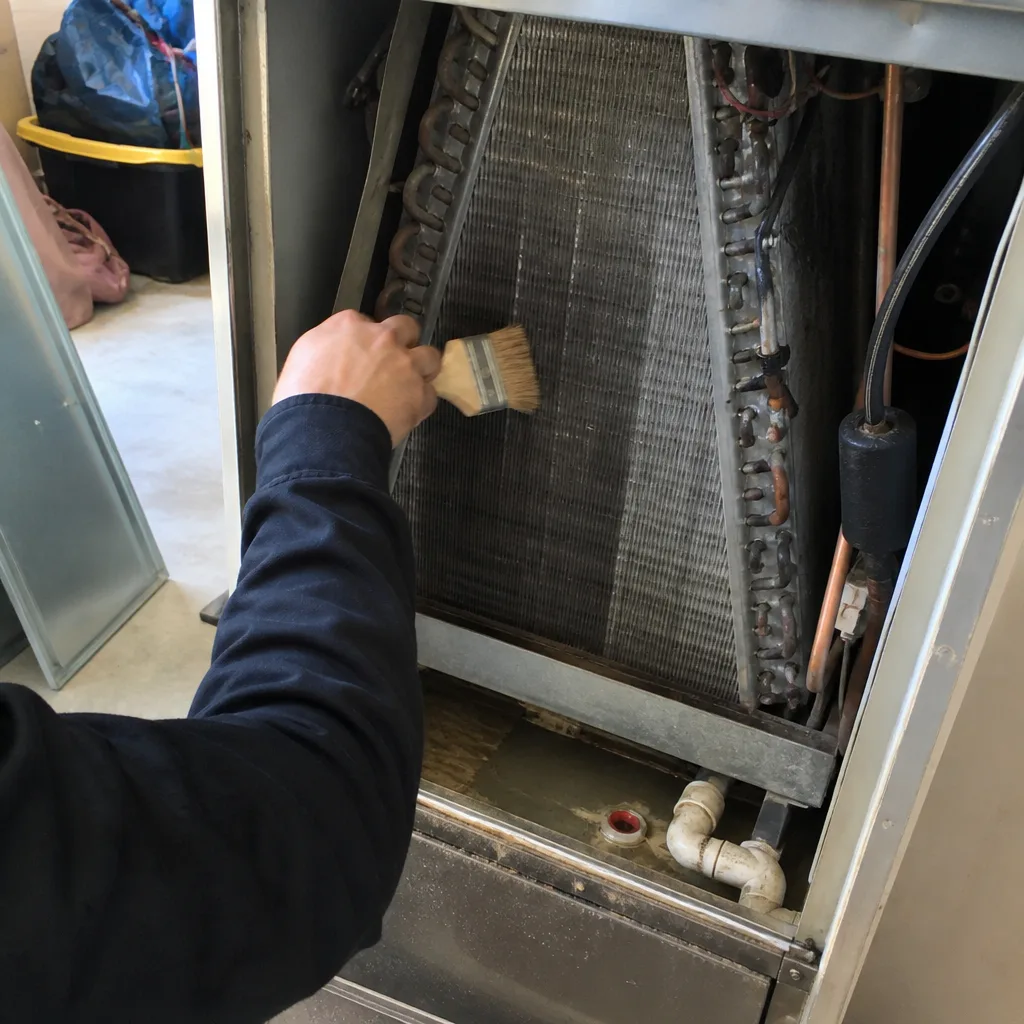
Last updated November 25, 2026
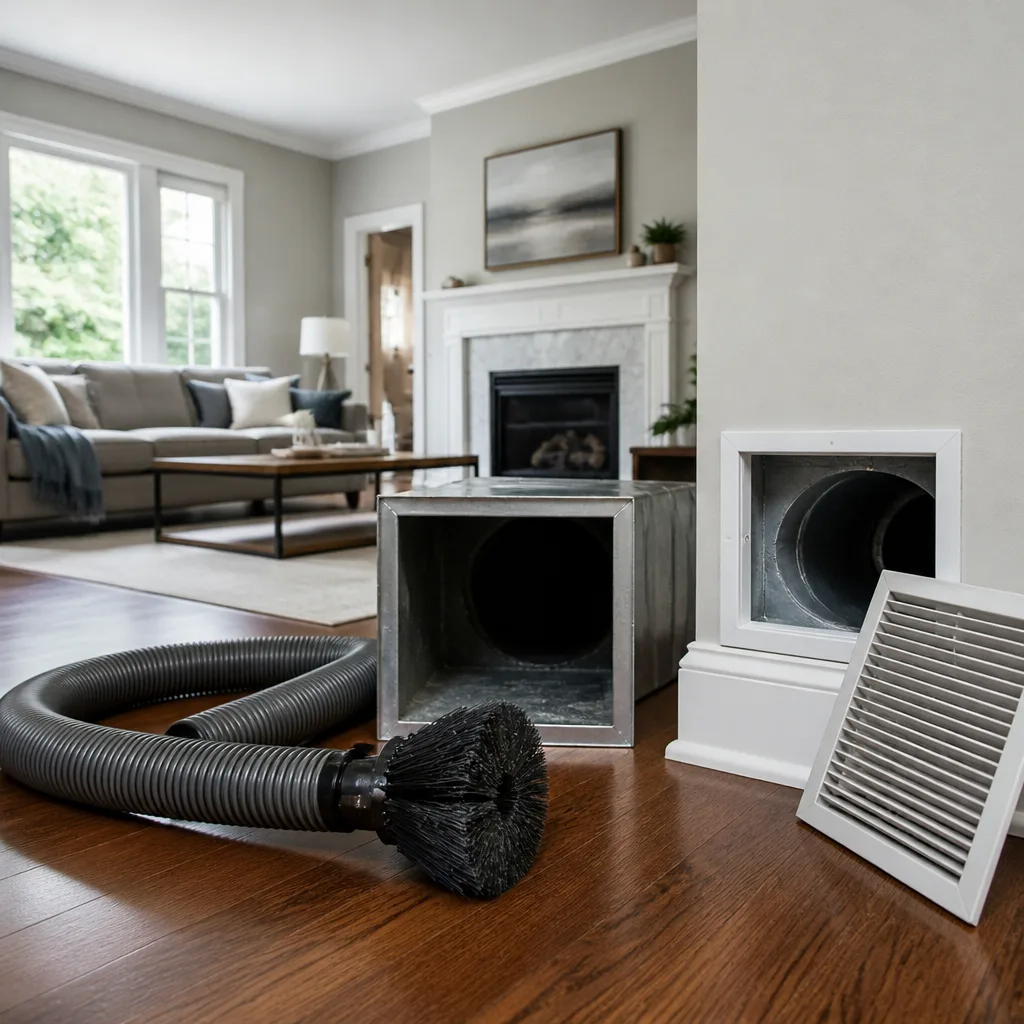 Whole-home duct cleaning
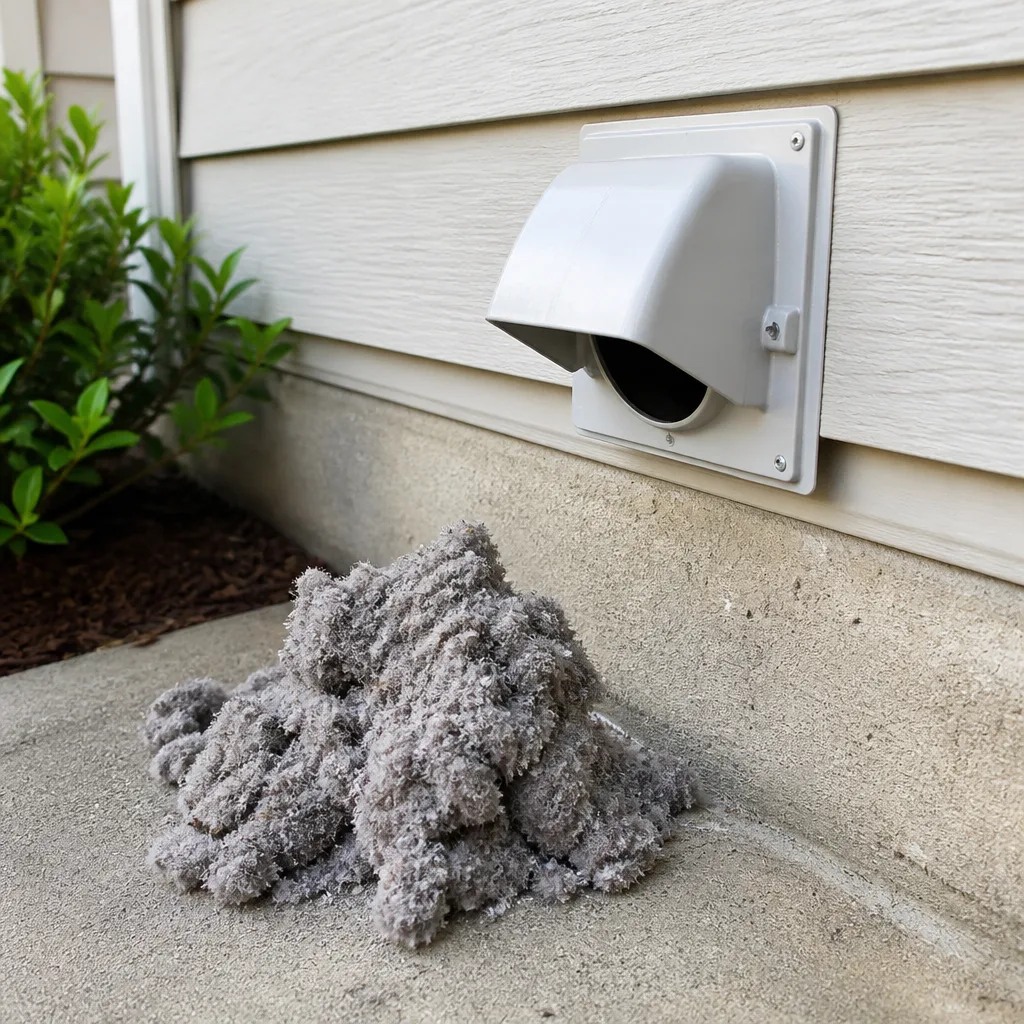 Dryer vent cleaning
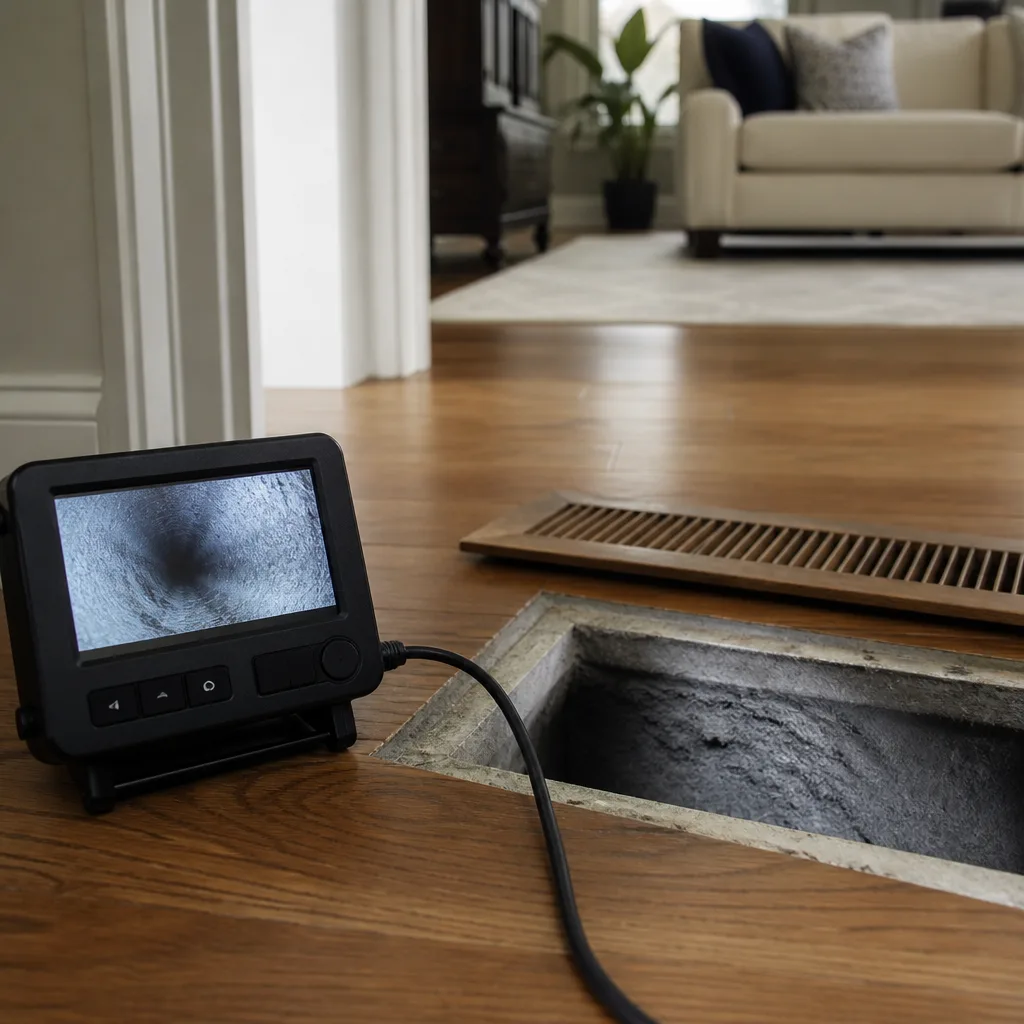 Camera inspection
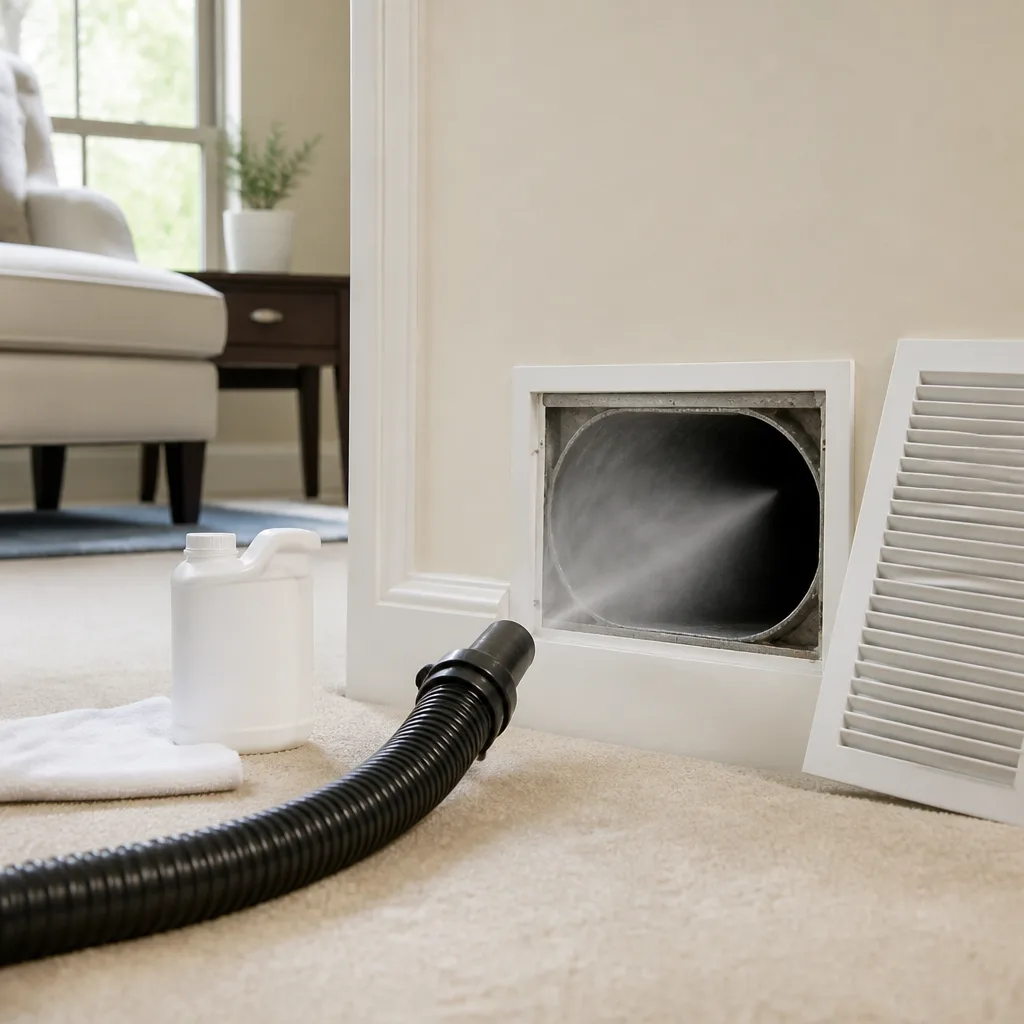 Sanitizing & deodorizing
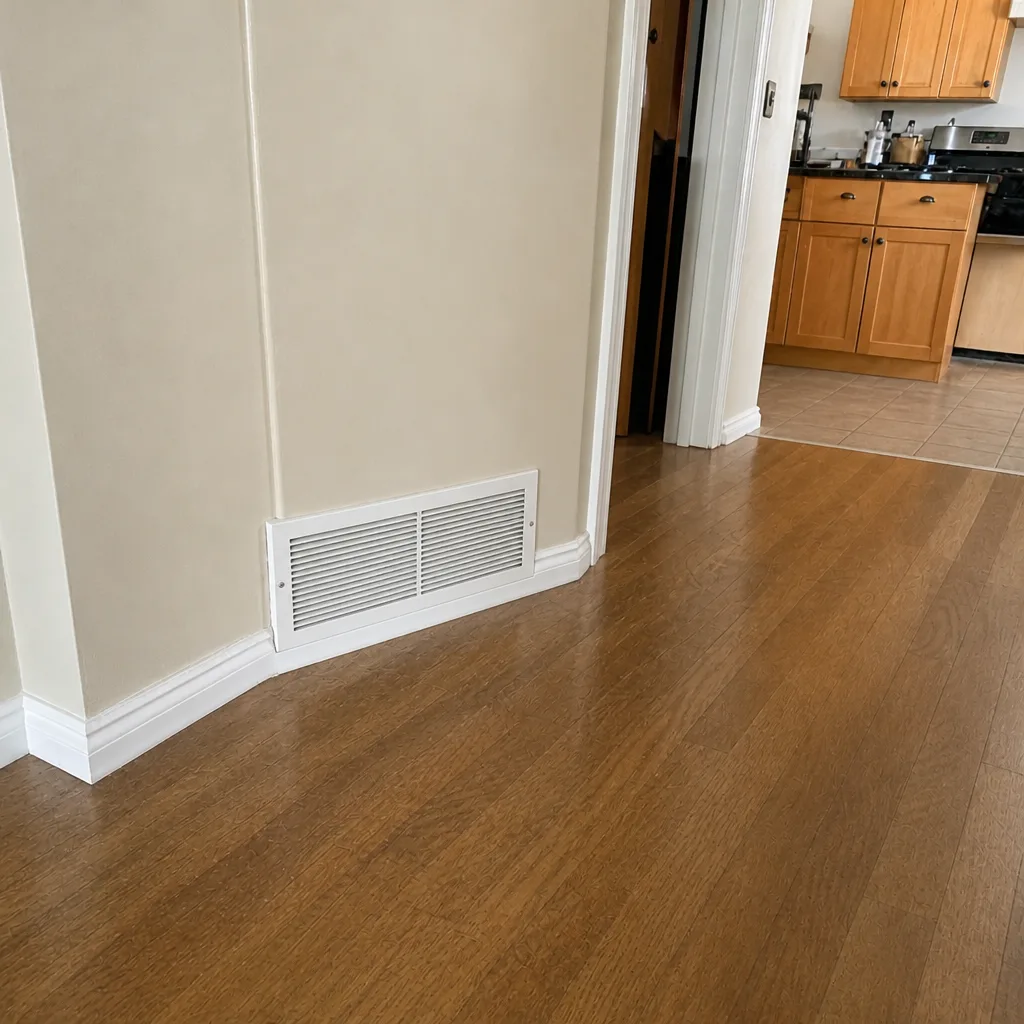
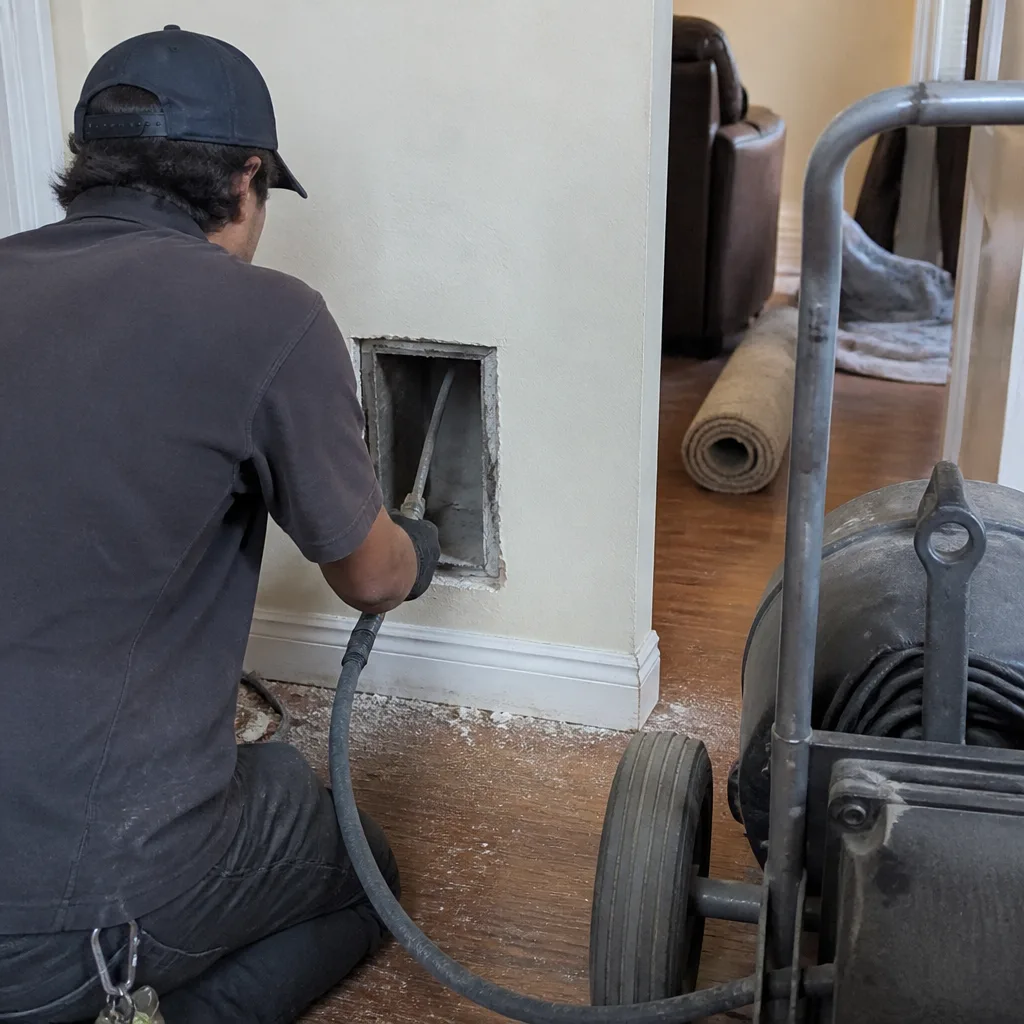
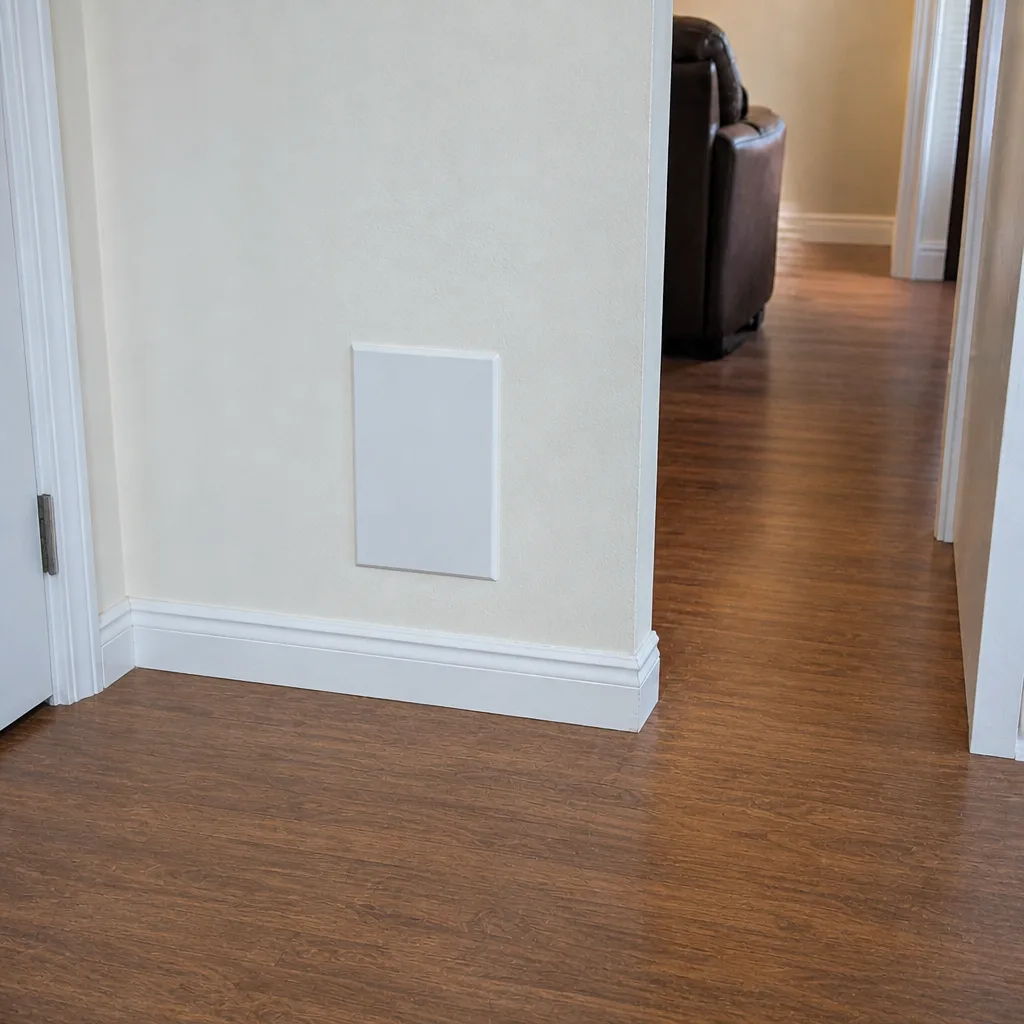
Whole-system duct and dryer vent check with before-and-after photos - you see exactly what came out of your vents
That "$99 whole-house special" is a bait ad - the real number appears once they are in your hallway, or the "clean" is a shop-vac at the register. We photograph the inside of your ducts before and after instead.
Seasonal Air Duct Cleaning Care for South Jordan: Year-Round Homeowner’s Guide
Most homeowners in South Jordan think of duct cleaning as a once-a-decade chore, something you check off when the vents look dusty or a contractor mentions it during an HVAC tune-up. That framing misses how this city’s four-season climate actually stresses a duct system. Ducts don’t get uniformly dirtier month after month. Different contaminants dominate at different times of year, and each one calls for a different response. Spring brings a mix of pollen and, in growing parts of the city, calcite-heavy construction dust from new development. Summer pulls wildfire smoke into return air. Fall is when your heating system wakes up and needs to be ready. Winter builds up recirculated, dry air you breathe for months. This guide walks through each season in turn, then shows you how to build a 12-month task calendar tied to your home’s age and system type.
Quick Answer
Air duct cleaning should be scheduled around four seasonal stress periods in South Jordan: a pre-season cleaning in late spring after pollen and construction dust peak, a mid-summer check on filtration during smoke events, a fall inspection before the first heat cycle, and a winter review of recirculation, humidity, and fresh-air intake. For most homes, that works out to a full duct cleaning roughly every two to three years, with filtration checks and filter changes at every seasonal transition. Homes near active construction, homeowners with allergies, and recently purchased properties should move to an annual cadence.
Styles & brands we work with
- Whole-home duct cleaning
- Dryer vent cleaning
- Camera inspection
- Sanitizing & deodorizing
Table of Contents
- Spring: Post-Construction Dust and Pollen
- Summer: Wildfire Smoke and Filtration
- Fall: Pre-Heating-Season Inspection Priorities
- Winter: Recirculation, Humidity, and Fresh-Air Intakes
- Building Your 12-Month Task Calendar
- How System Type Changes the Schedule
- Common Mistakes to Avoid
- When to Call a Professional
Spring: Post-Construction Dust and Pollen in South Jordan
Spring in South Jordan isn’t just allergy season. It’s also the season when developers break ground on new phases of the city’s expansion, and that changes what’s floating around your neighborhood. When a lot gets graded and a foundation gets poured near your home, calcite-heavy soil dust travels. It gets into HVAC return air within a quarter mile of an active build, and unlike fine household dust, it’s abrasive and slightly alkaline, which means it clings to the greasy surfaces inside ductwork and on blower wheels instead of just passing through. Any homeowner living near the Daybreak, Jordan Heights, or SoDa Row areas with active construction knows that fine white-gray film that settles on window sills and registers within days of a grading push.
Pollen adds a second layer. Cottonwood, grasses, and ornamental trees common in this part of the Salt Lake Valley all release in a compressed window from roughly late April through early June. On their own, pollen grains don’t build up in a well-sealed system. But when return ducts pull unfiltered outside air through a poorly sealed return, pollen does get in and settles on interior duct walls. Once there, it doesn’t come back out on its own.
When to Schedule Spring Cleaning
There are two useful strategies, and the right one depends on your neighborhood.
- Pre-season cleaning (late March to mid-April): Best for homes near active construction or renovations. You clean out the winter’s accumulation before the construction dust and pollen peak, which means the system starts the busy season clean and your filtration isn’t fighting a dirty baseline.
- Post-pollen cleaning (mid-June): Best for allergy-sensitive households in established neighborhoods. You let the pollen peak pass, then clean once so you’re starting the summer with a fresh system rather than re-contaminating a freshly cleaned one.
- Skip the cleaning if you cleaned last fall and have no symptoms: Not every home needs spring cleaning every year. If your last professional air duct cleaning was in September and you’re not near construction, a filter change and a visual check is probably enough.
One local detail worth knowing: after any major dust event (a neighbor’s re-roof, a street widening project, a big grading operation), the return that serves the largest common space in your home – the one feeding the living room or great room – collects the most. That’s often the return you can see from your couch. If it’s got a visible film within a couple of weeks of a construction push, it’s worth having the system assessed rather than waiting for your normal seasonal schedule.
Summer: Wildfire Smoke and Filtration Decisions
Summer in South Jordan brings a filtration question most homeowners don’t think about until the smoke is already in the air. Wildfire activity elsewhere in the West can carry smoke into the Salt Lake Valley, and when it does, your HVAC system – specifically the return air and filtration side – becomes the front line. Whether your system is pulling outside smoke in depends almost entirely on how well the return duct is sealed and what filter you’re running.
Smoke particles are small. The worst of them (the fine PM2.5 fraction that gives smoke its health-relevant punch) passes easily through standard fiberglass or low-efficiency pleated filters. During a red-air day, that means every time the system runs, it’s circulating filtered-out smoke into your living space through every supply register. This is why the right filtration choice matters more in July and August than at any other time of year.
MERV Rating Decisions During Smoke Events
We get asked constantly whether to bump MERV ratings during wildfire season. The honest answer is: sometimes, and with cable. Here’s the framework.
- MERV 8 is the baseline: Most residential systems are designed around MERV 8, and it’s adequate for everyday dust and pollen. During smoke events, it captures larger smoke ash but lets the fine fraction through.
- MERV 11 to 13 helps: A jump to MERV 11 or 13 catches significantly more fine smoke particulate. The catch is airflow: many residential blowers and coils aren’t designed for the pressure drop of a high-MERV filter, which can stress the blower motor and shorten equipment life. Check your system’s filter slot documentation before bumping up, and if the filter slot can’t take it, don’t force it.
- MERV 13+ usually needs a plan: Higher ratings often call for a larger filter surface (a 4-inch or 5-inch media cabinet rather than a 1-inch slot) to preserve airflow. That’s a real HVAC modification, not a filter swap. Honeywell and Aprilaire media cabinets handle this well, which is one reason we carry and service those product lines – the fix for smoke isn’t just a filter, it’s the right filter housing.
- Change frequency doubles during smoke season: A filter that would normally last three months can load up in four to six weeks during a bad smoke stretch. Check it monthly from July through September.
Sealing is the other half of the equation. A return duct that leaks in a garage or attic doesn’t just lose efficiency – during a smoke event it can pull smoke directly into the airstream downstream of the filter. That’s why we treat HVAC cleaning and duct sealing as connected services rather than separate jobs. If a mid-summer smoke season is hitting hard and your system is running more than usual, it’s a good time to have the return side looked at for leaks before the fall heating season arrives.
Fall: Pre-Heating-Season Inspection Priorities
Fall is when the duct question and the heating equipment question intersect. Before you run the furnace for the first time in October or November (depending on the year – South Jordan can stay warm into early October and then snap cold), the heating side of your system deserves a real look. This is not a duct-cleaning-only checklist. It’s the moment when you want to confirm the furnace is ready to run safely, and the ductwork clean enough that the first heat cycle isn’t blowing a summer’s worth of dust into every room.
What a Technician Should Check Before the First Heat Cycle
- Heat exchanger clearance and inspection: The heat exchanger must have unobstructed airflow and its visible surfaces should be inspected for cracks, corrosion, or blockage. A restricted heat exchanger is a safety concern – combustion byproducts can enter the airstream – and it’s one of the reasons we recommend an HVAC check-in, not a DIY look, before the heating season starts.
- Burner compartment condition: Burners, igniters, and the gas train should be clean and free of dust or debris. Dust buildup in this area can affect combustion, and any gas-related inspection belongs to a trained professional.
- Return and supply duct integrity: Loose joints, disconnected flex runs, and crushed sections of duct can strangle airflow to bedrooms or create pressure imbalances. Fall is when these matter most because the system will run consistently for months.
- Filter condition and slot: Change the filter before the first heat cycle, then note what MERV rating you’re running so summer decisions don’t inadvertently undo fall ones.
- Blower and coil cleanliness: A blower wheel with a dust film will distribute that dust back through the house the entire time the furnace runs. If it hasn’t been cleaned in two or three years, fall is the right time.
One local note: many South Jordan homes built in the last decade use flex duct in attic runs and conditioned returns. That flex duct collects dust on its interior liner more readily than rigid metal because of the slightly rougher surface. Fall is a good time to have flex runs assessed for both cleanliness and any signs of collapse or sag. We use mechanical cleaning equipment from Nikro on flex duct precisely because the surface needs to be agitated rather than just vacuumed – a plain vacuum pulls loose debris but doesn’t dislodge the film that clings to the liner.
Winter: Recirculation, Humidity, and Fresh-Air Intakes
Winter in South Jordan changes the physics of your air. Windows stay closed. Doors stay closed. The furnace runs often. Every cubic foot of air that goes through the system comes back through the system – recirculation, over and over, for months. Whatever is in the ducts in November is what you’re breathing in February, and in winter there’s no open-window reset.
Two things compound it.
Recirculation Buildup
The same airstream passing over the same dust film repeatedly tends to deposit new material onto it. Pet dander, cooking particulate, candle smoke, and the fine dust that settles from household activity all cycle through and settle onto existing films. By March, a duct system that started winter with a light film can have a measurable accumulation, particularly on the return side. If you cleaned in fall, this is normal and rarely requires intervention until the following fall. If you last cleaned more than two years ago, winter is when you’ll feel it most, whether through visible dust on registers, worsened allergy symptoms indoors, or a slightly musty smell when the heat kicks on.
Humidity Control Near Ducts
South Jordan’s winters are dry, and most homes run some form of humidification. The failure mode we see most often is a whole-house humidifier that’s bypass-ducted right onto the supply plenum, dripping moisture into a cold duct during the first few minutes of a furnace cycle. That damp-cold-then-warm pattern is what encourages dust to cake onto the duct interior instead of staying loose. If your humidifier is running and you notice register covers with a fine film that looks slightly sticky rather than powdery, that’s the pattern to check. Aprilaire humidifiers and controls, which we install and service, give you a way to tune output to the season rather than running at a fixed rate.
Fresh-Air Intakes and ERV Systems
Some newer South Jordan homes include an energy recovery ventilator (ERV) or a fresh-air intake tied into the HVAC. In winter, these systems pull in cold outside air and temper it, which is good for indoor air quality when they’re clean. But the intake filter, the core, and the ductwork serving the ERV are maintenance items that get overlooked. A clogged ERV intake is worse than no ERV because it restricts fresh air while still pulling the system’s air-handler capacity. Check the ERV core and intake filter every fall and clean the intake duct every few years, particularly if it draws from an area near construction or where dust settles.
Building Your 12-Month Task Calendar for a South Jordan Home
The advice above works fine as general guidance. A personalized calendar works better, because a 1950s bungalow near the Jordan River and a 2020 build in Daybreak have very different duct profiles. Here’s how to build your own.
Step 1: Identify Your Home’s Age and Duct Type
- Pre-1980 homes: Likely rigid metal duct with original joints. Expect more leakage at joints and more interest in sealing. (Any concern about asbestos-containing duct wrap or older material should go to a qualified abatement professional before any cleaning work begins – that’s not a job for a standard mechanical cleaning.)
- 1980s to 2000s: Mix of rigid trunk and flex runs. Standard cleaning cadence every two to three years fits most of these.
- 2010s and newer: Often more flex duct and tighter construction. Flex duct needs more careful cleaning; tight construction means ERV or fresh-air intakes are more likely. New construction in this range may still be under builder warranty for the HVAC system, so confirm before any duct modification.
Step 2: Note Your System Type
- Standard forced-air furnace and AC: Full cleaning every two to three years, filter checks at every season change.
- Heat pump: Same duct cadence, but blower components collect dust differently. Blower cleaning every two or three years is worthwhile.
- Ducted mini-split or high-velocity system: Smaller duct runs handle less volume; cleaning intervals can stretch, but the small-diameter ducts often collect more per linear foot, so a visual inspection every two years is a good habit.
Step 3: Set Your Seasonal Touchpoints
- Late March: Filter change, visual check, and a full cleaning if you’re near active construction or had a renovation.
- Mid-June: Post-pollen filter change, full cleaning if allergies are a concern.
- July through September: Monthly filter checks during smoke season. Bump MERV only if the system can take it.
- October: Pre-heating-season check: heat exchanger, burners, blower, duct integrity, and fresh ERV filter if applicable.
- November through February: Monthly visual checks on registers, humidifier tuning, and any dry-air management. Address musty smells promptly.
- Any season: Add a dryer vent cleaning to your calendar if you haven’t had one; the dryer vent cleaning cycle belongs on the same annual sheet as the duct checks.
If you’d like to see how the duct side of this fits into professional cleaning cadence, the team at South Jordan Air Duct Cleaning Pros can walk you through what a full inspection covers in this market. Our technicians have up to 10 years of experience with systems typical of South Jordan homes, and can give you a free estimate for a full-system assessment or a specific seasonal service.
How System Type Changes the Schedule
Most of this guide assumes a conventional forced-air system, which is what the vast majority of South Jordan homes have. But a few variations deserve their own note.
Homes with media cabinets (Honeywell or Aprilaire): A 4-inch or 5-inch media filter gives you more surface area and more filtering per cycle than a 1-inch slot, and it also holds more before it loads up. That means you can push filter changes to every four to six months in normal conditions, and every two to three months during smoke season. It also means when a media cabinet filter finally does load up, it’s catching a lot of material – which is the point, but it reinforces why you want duct cleaning scheduled around that cadence rather than after a problem shows up.
Homes with Abatement Technologies air scrubbers (installed during a renovation or for allergy support): These are the same category of containment and filtration equipment used in remediation work, and they’re excellent for pulling fine particulate out of the indoor air during a project. The filtration media is a maintenance item; if you’re running one, replace media on the schedule the unit specifies, and clean the duct system at the end of the project rather than midway.
Light-commercial and property-manager accounts: Duct cleaning schedules for a small office, retail space, or multi-unit property often need to run on a different calendar than residential, because occupancy patterns change the accumulation rate. A plan that cleans during a low-traffic period of the year is usually easier to schedule and less disruptive.
Common Mistakes to Avoid
- Cleaning too often out of anxiety. Ducts don’t need cleaning every spring just because it’s spring. Unless you’ve had construction, a renovation, water intrusion, or a few years without a cleaning, adding an extra service doesn’t help. It’s the contaminant events that drive the schedule, not the calendar.
- Bumping MERV without checking airflow. During smoke season, homeowners reasonably assume more filtration is better. It isn’t if it chokes the blower. Check the filter slot and the system’s design before assuming a MERV 13 will work in a 1-inch space.
- Ignoring the return side after a renovation. When a South Jordan home gets a kitchen remodel or basement finish, dust goes where the return air pulls it. Cleaning the return after the project, not before, is the sequence that actually works.
- Treating the ERV like it doesn’t exist. Fresh-air and ERV systems are part of the ductwork. Their intake filters and cores need cleaning, and a clogged ERV can quietly undermine indoor air quality for years.
- Letting flex duct sag in the attic. A crushed or kinked flex run doesn’t just lose efficiency – it traps dust at the low point, and the trapped dust is the hardest part to remove. If you’re going into the attic for any reason, look for sags.
- Forgetting the dryer vent. Dryer vents are ductwork, and in South Jordan’s dry climate, lint buildup is far less environmentally mitigated than in humid climates. Annual dryer vent cleaning is a fire-safety habit more than a comfort one.
- Skipping the fall heating-system check. Duct cleaning and furnace inspection are related but separate. Cleaning the ducts doesn’t check the heat exchanger. The check is what protects the safety of the whole system.
When to Call a Professional
Some situations call for a professional duct inspection beyond the normal seasonal cadence. If you’ve had a renovation, a water event, a pest problem, or a long stretch (three years or more) without cleaning, have the system assessed. If anyone in the household has asthma or allergies that seem worse indoors than outside, the return side deserves a look. If you notice musty odors when the heat runs, visible dust blowing from registers right after a filter change, or unexplained rising energy bills, a professional assessment can identify whether the duct system is at the root of it. Same for a home purchase: getting a duct assessment before move-in is a good habit, especially for older homes where the duct history is unknown.
South Jordan Air Duct Cleaning Pros offers free estimates in South Jordan – call (844) 443-4758. We answer 24/7. Fast dispatch from 7am to 7pm, Sunday through Friday. Our assessments use commercial-grade equipment and the local pro is licensed and insured as their state requires; the estimate is written, so you know the price before any work starts.
See the difference
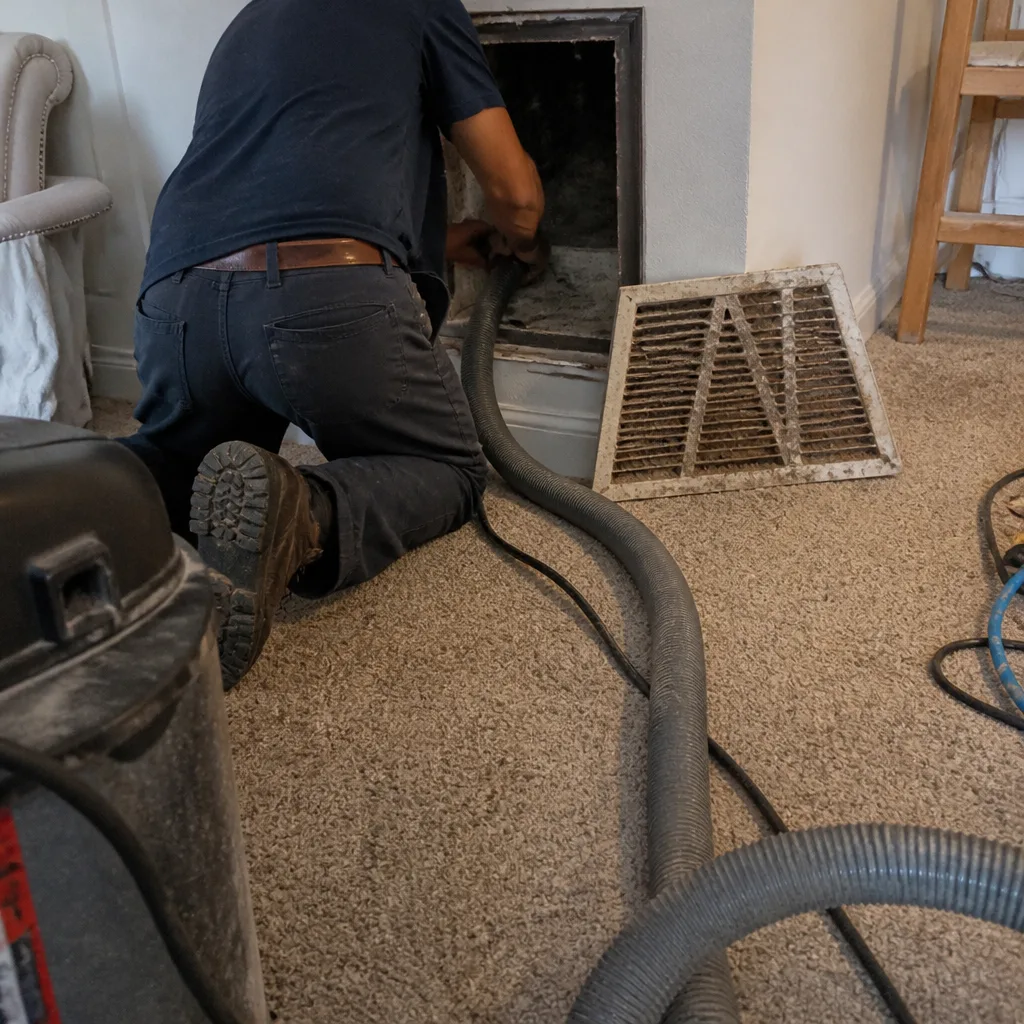 Before
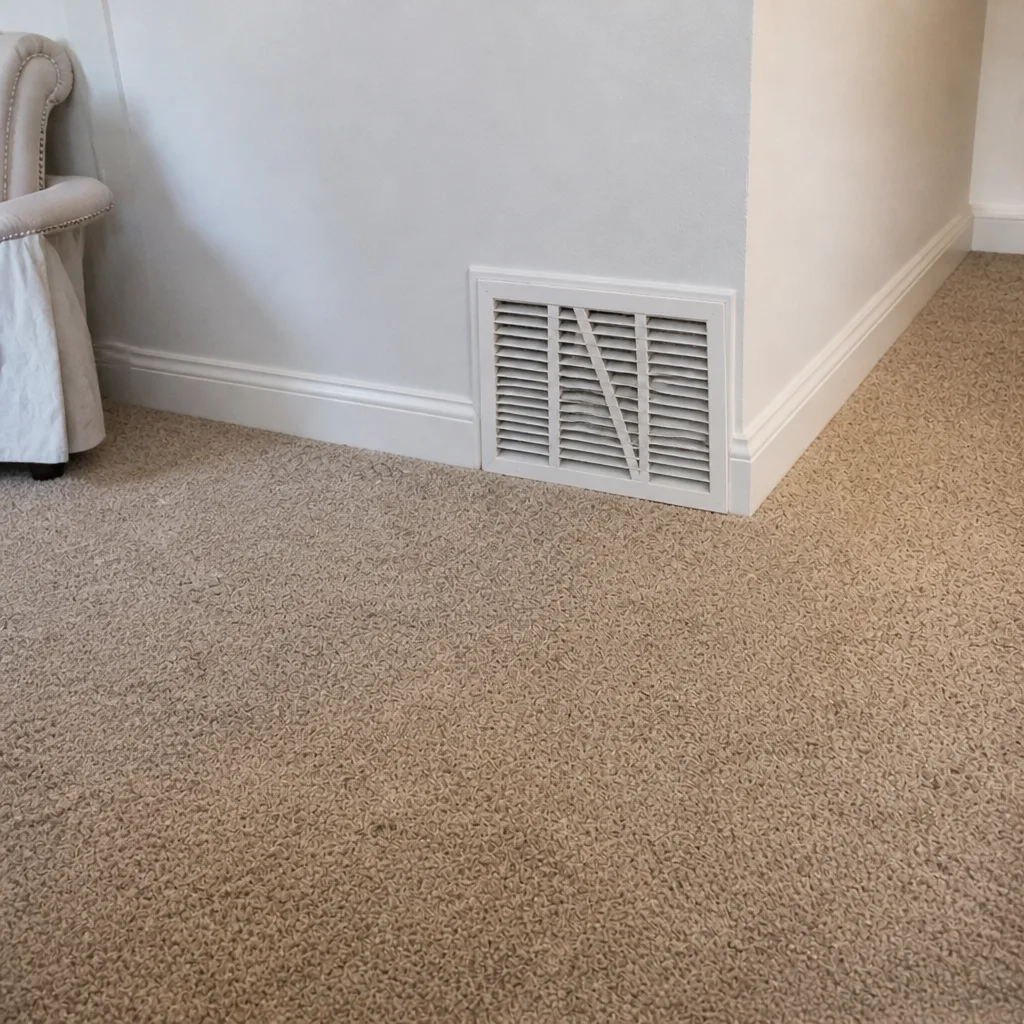 After
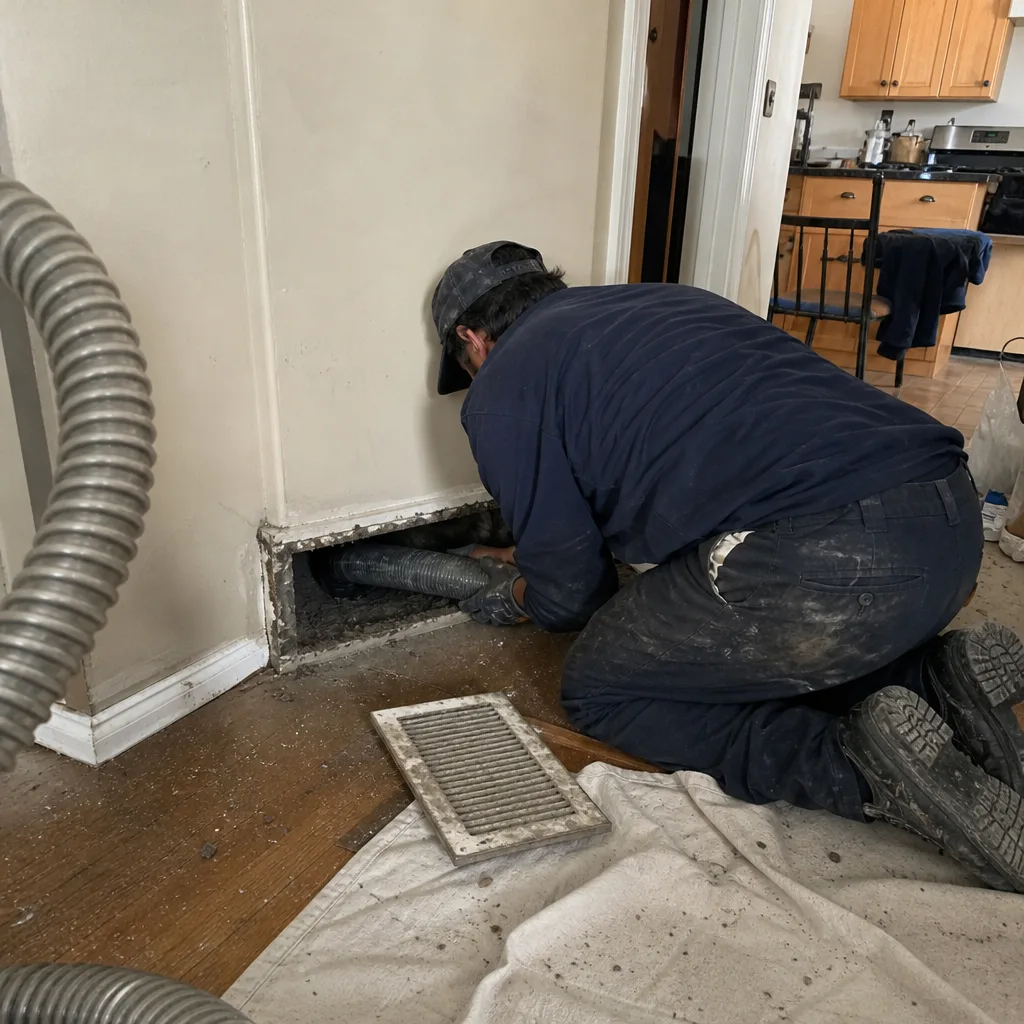 Before
 After
 Before
 After
Frequently Asked Questions
Most South Jordan homes need a full duct cleaning every two to three years, with filter changes every season and inspections tied to major events like construction, moves, or renovations. Homes with allergies, homes near active development, and homes with pets usually do better on an annual cadence. If you’ve never had a cleaning, start with an inspection and let the condition of the system guide the schedule. Call (844) 443-4758 for a free estimate – we’ll walk through what your system needs.
For most homes, a MERV 11 or MERV 13 filter offers the best balance of smoke filtration and acceptable airflow during red-air days, but only if your system’s filter slot and blower can handle the pressure drop. Many 1-inch residential slots can’t take a high-MERV filter without restricting airflow, in which case a media cabinet upgrade is the right answer. Have the system assessed before bumping up. Call (844) 443-4758 to talk through your specific setup.
Yes, if the site is within a quarter mile or so and the wind pushes dust toward your home. Return air near an open window, a garage, or a poorly sealed return can pull fine soil particulate into the system, and calcite-heavy dust clings to duct interiors more readily than typical household dust. The result is a visible gray-white film on registers and a system that needs cleaning sooner than a calendar schedule would suggest. Call (844) 443-4758 if a nearby construction project has changed the look of your registers.
You can clean the visible portion of a register or the first few feet of a supply branch, but you can’t reach the interior duct surfaces from the register side. Real duct cleaning uses mechanical agitation (contact-based cleaning, not just vacuum) plus containment and negative pressure to pull dislodged material out without spreading it through the house. That’s the equipment category we bring in, using Rotobrush and Nikro for agitation and Abatement Technologies for filtration and containment. Call (844) 443-4758 for a free estimate on a full-system cleaning.
Yes – an annual pre-heating-season inspection is the safest baseline, especially for systems more than a decade old. The heat exchanger and burner compartment are gas-related components, and any issue there is a safety matter that should be handled by a trained professional, not checked by a homeowner. Duct cleaning and heat exchanger inspection are separate tasks; cleaning the ducts doesn’t check the exchanger. Book the fall inspection early so any issues are resolved before the first cold snap. Call (844) 443-4758 to schedule.
Yes, if you have one. ERVs and fresh-air intakes are part of the duct system, and their intake filters and cores need cleaning on their own schedule, separate from the main duct cleaning. A clogged intake is a real performance problem: it restricts fresh air while the air handler keeps pulling. Plan to inspect the ERV core and intake filter every fall, and clean the intake duct every few years. Call (844) 443-4758 for a free estimate that covers the full air pathway.
Low teaser prices usually reflect limited scope: a vacuum pass at the vents without mechanical agitation of the duct interiors, no containment, and no real inspection. The work that actually removes accumulated material is contact-based cleaning with mechanical agitation, containment, and negative pressure, and that’s more labor and more equipment. A written estimate per system tells you what’s actually included. Call (844) 443-4758 for an honest quote – we’ll tell you what your system needs and price it as a whole, not per vent.
The Bottom Line
Seasonal air duct cleaning in South Jordan works best when it’s tied to what’s actually happening in your air, not to a fixed schedule. Spring brings construction dust and pollen. Summer brings wildfire smoke and filtration decisions. Fall is the heating-season preparation window, especially for heat exchanger and burner checks. Winter is when recirculation, humidity, and fresh-air intakes matter most. If you build a 12-month calendar around those four periods, adjust for your home’s age and system type, and treat your dryer vent and ERV as part of the same air pathway, you’ll be years ahead of the typical homeowner who calls only after something goes wrong. Better air starts at the source – your ductwork – and it starts with knowing what each season is doing to it.
Ready to schedule a seasonal assessment or a full-system cleaning? South Jordan Air Duct Cleaning Pros works across South Jordan and the surrounding valley. Call (844) 443-4758. We answer 24/7. Fast dispatch from 7am to 7pm, Sunday through Friday. Free estimates, one flat price per system agreed before work starts, and before-and-after photos of your own ducts so you can see exactly what changed.
Written by the team at South Jordan Air Duct Cleaning Pros.