
Last updated November 25, 2026
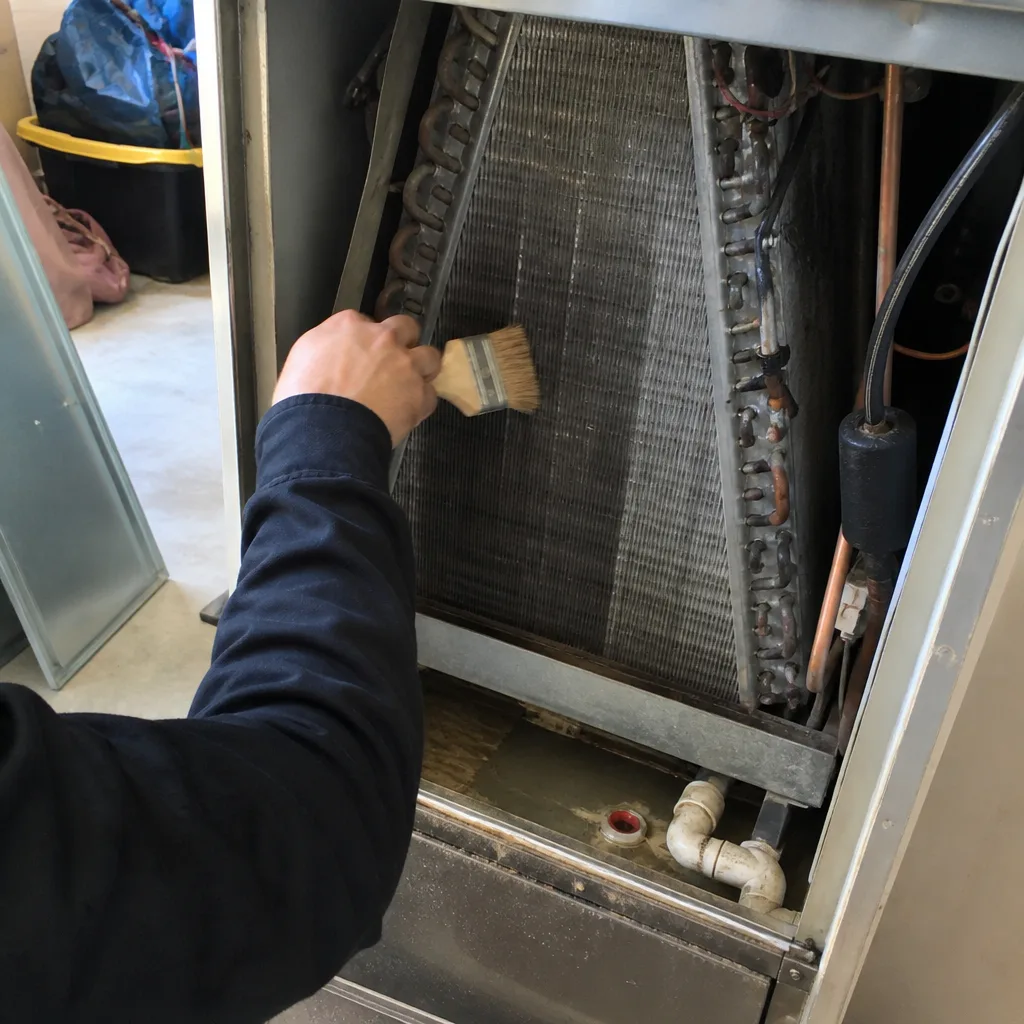
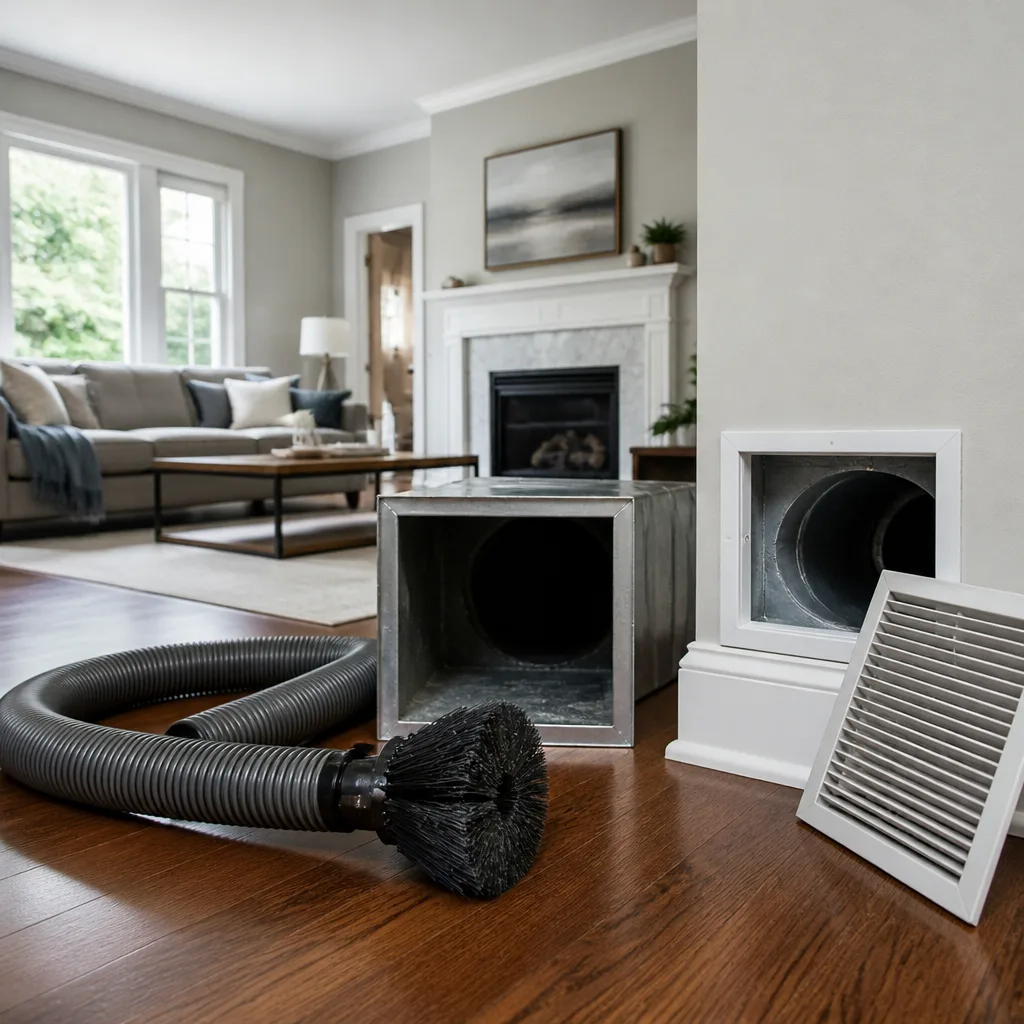 Whole-home duct cleaning
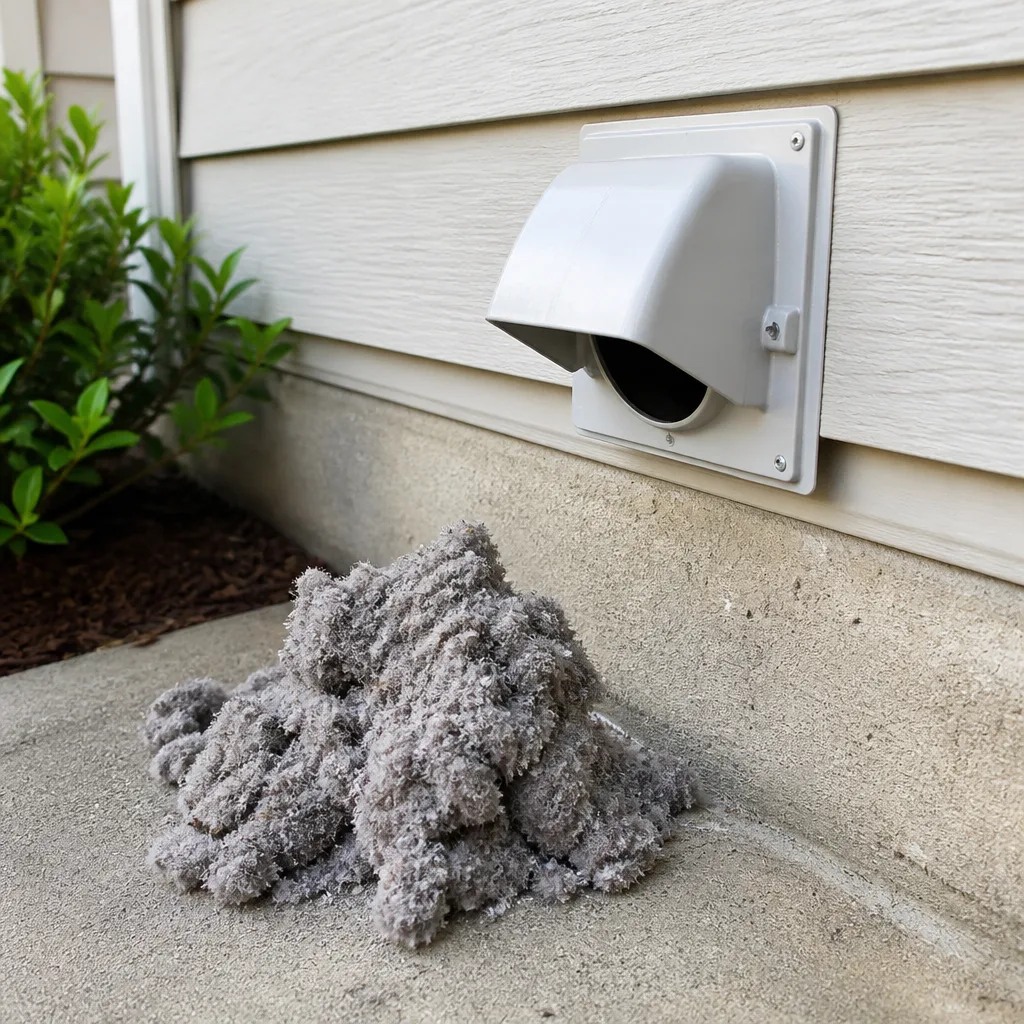 Dryer vent cleaning
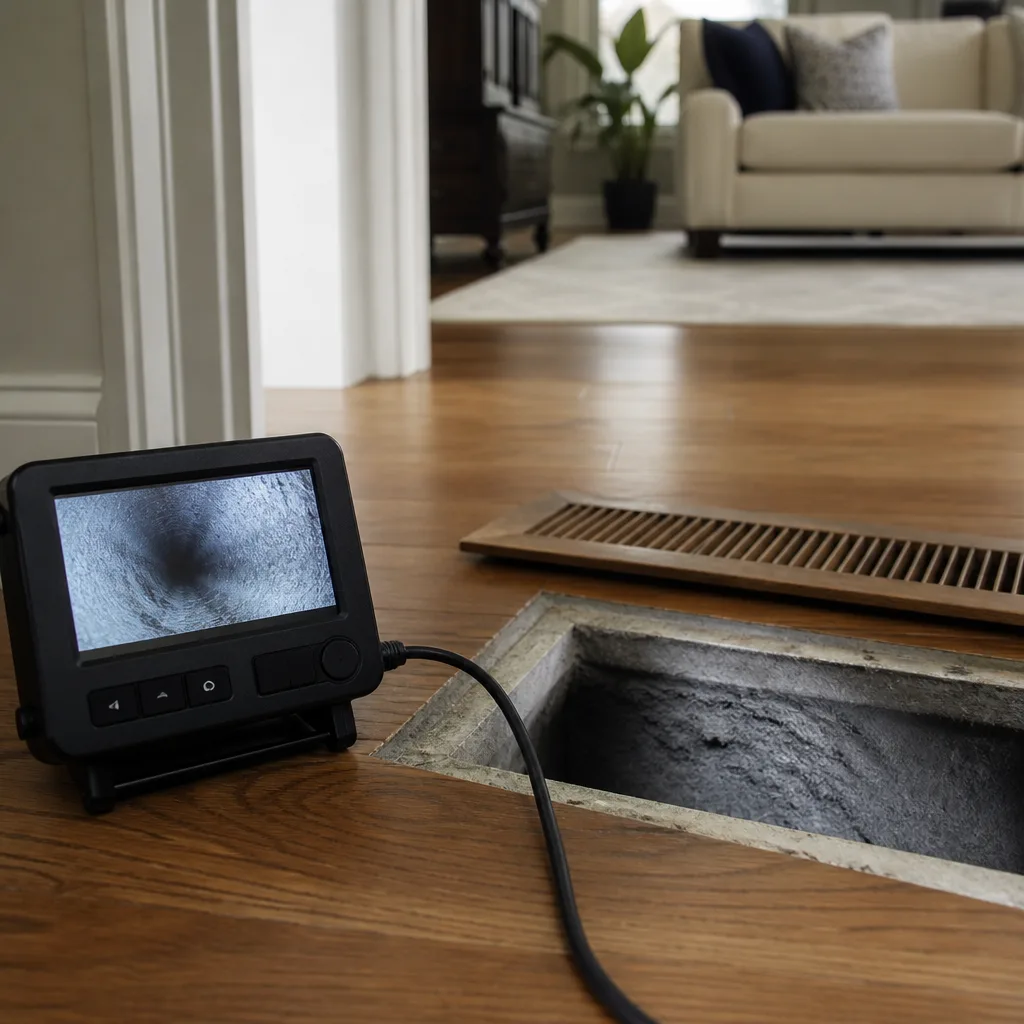 Camera inspection
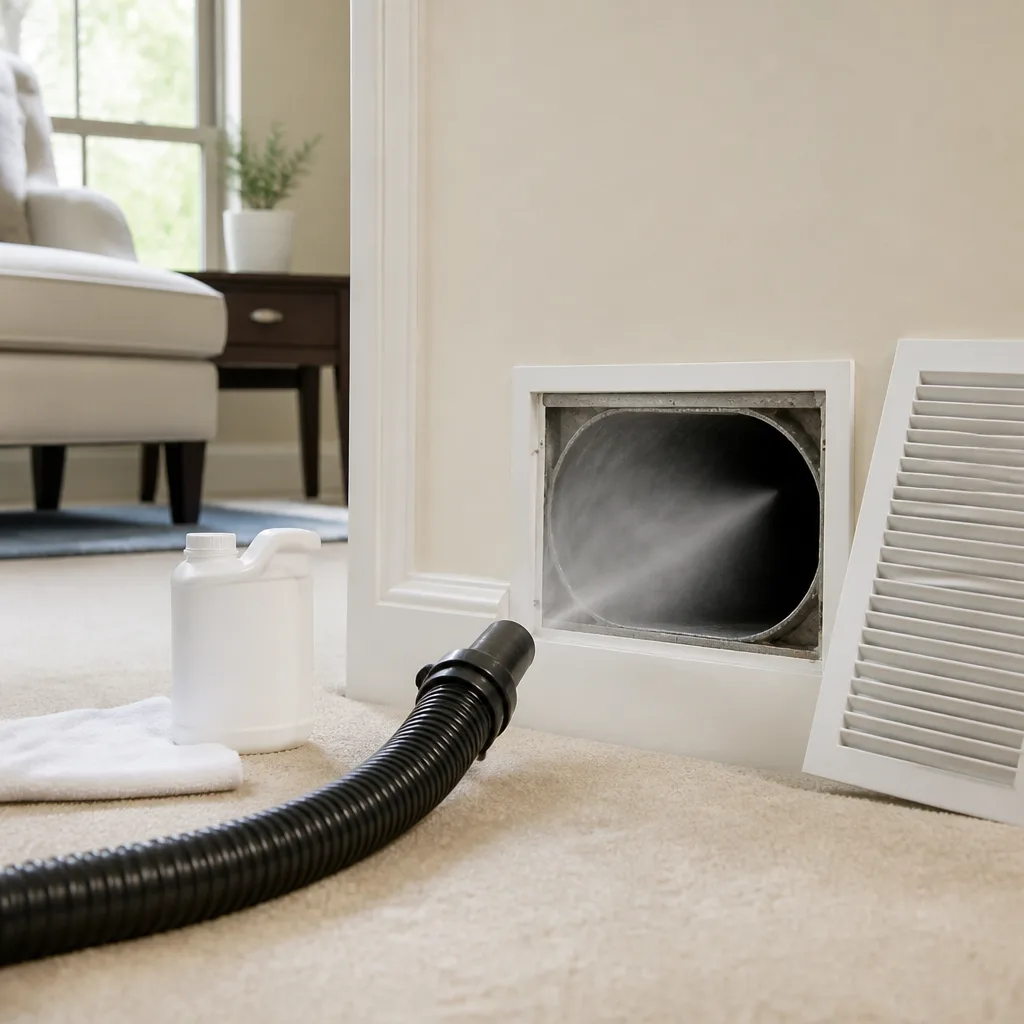 Sanitizing & deodorizing
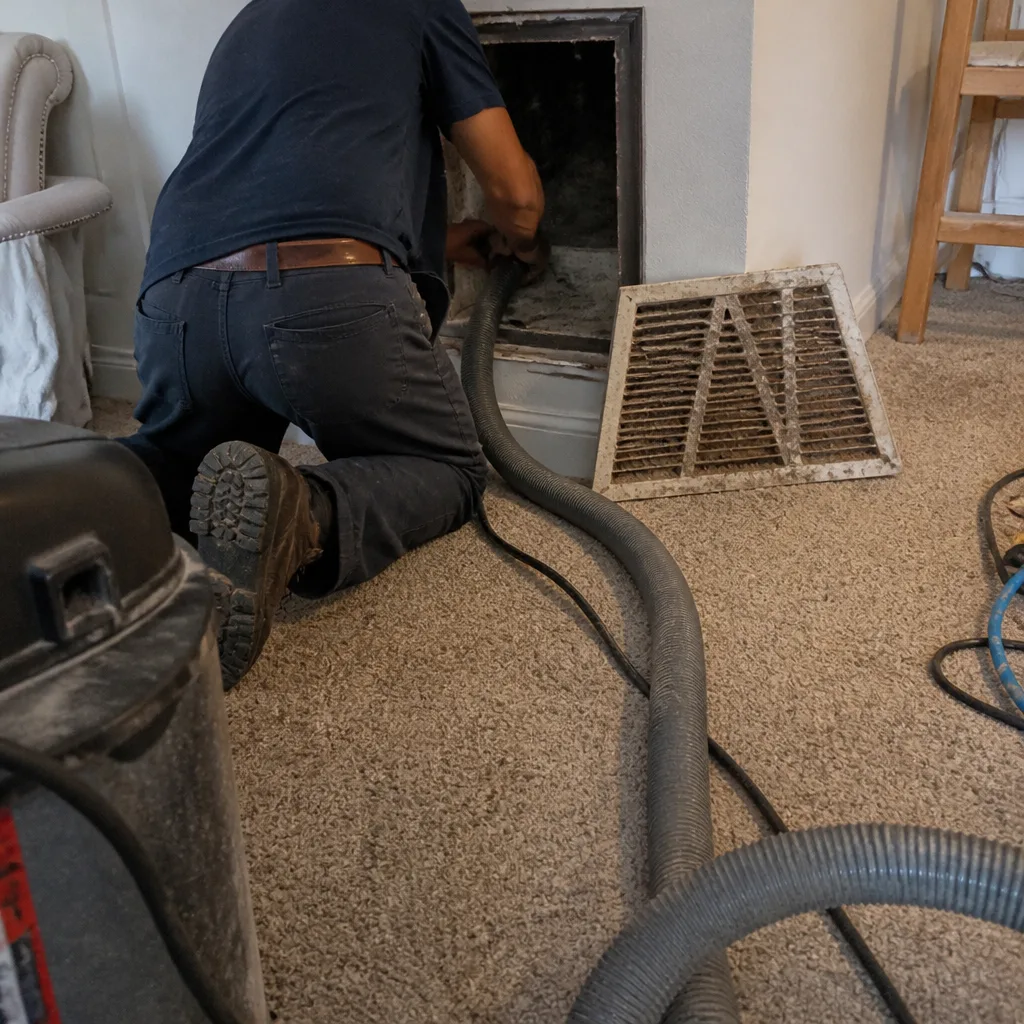
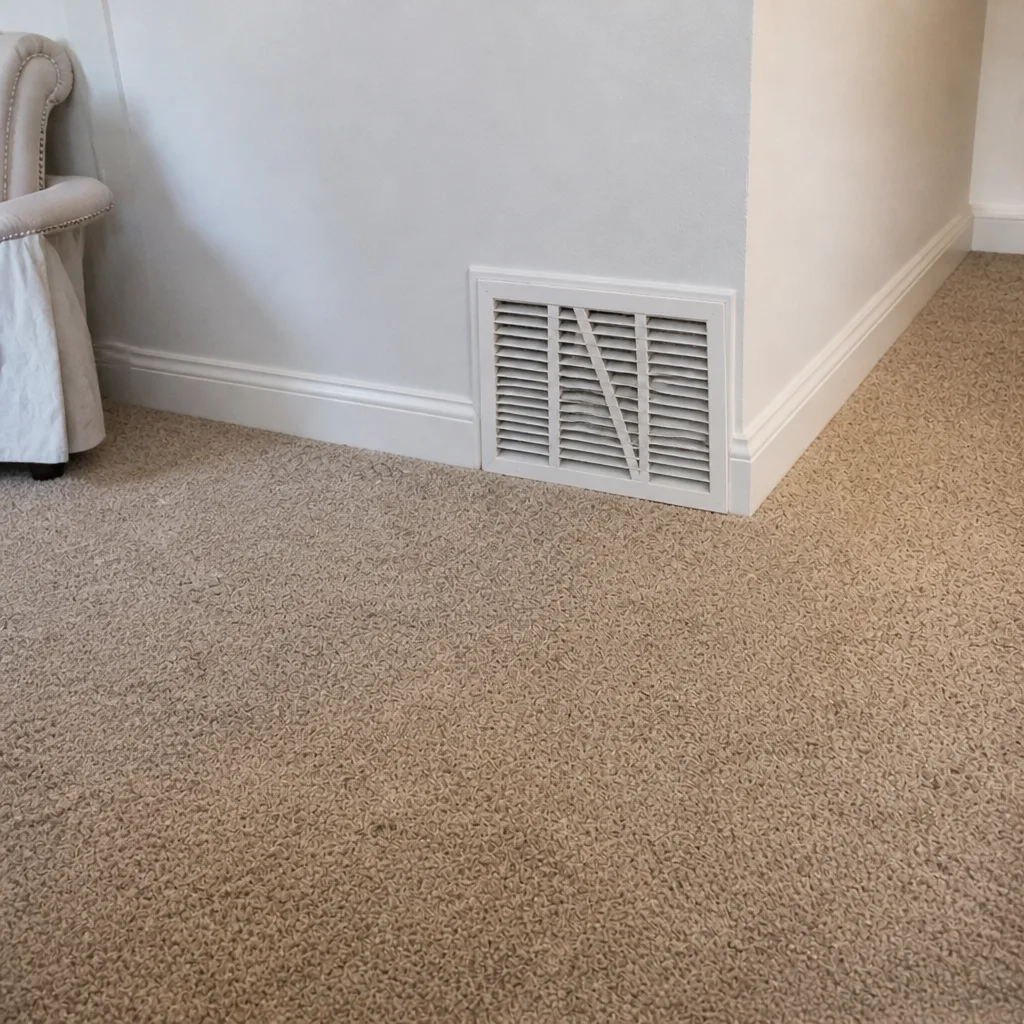
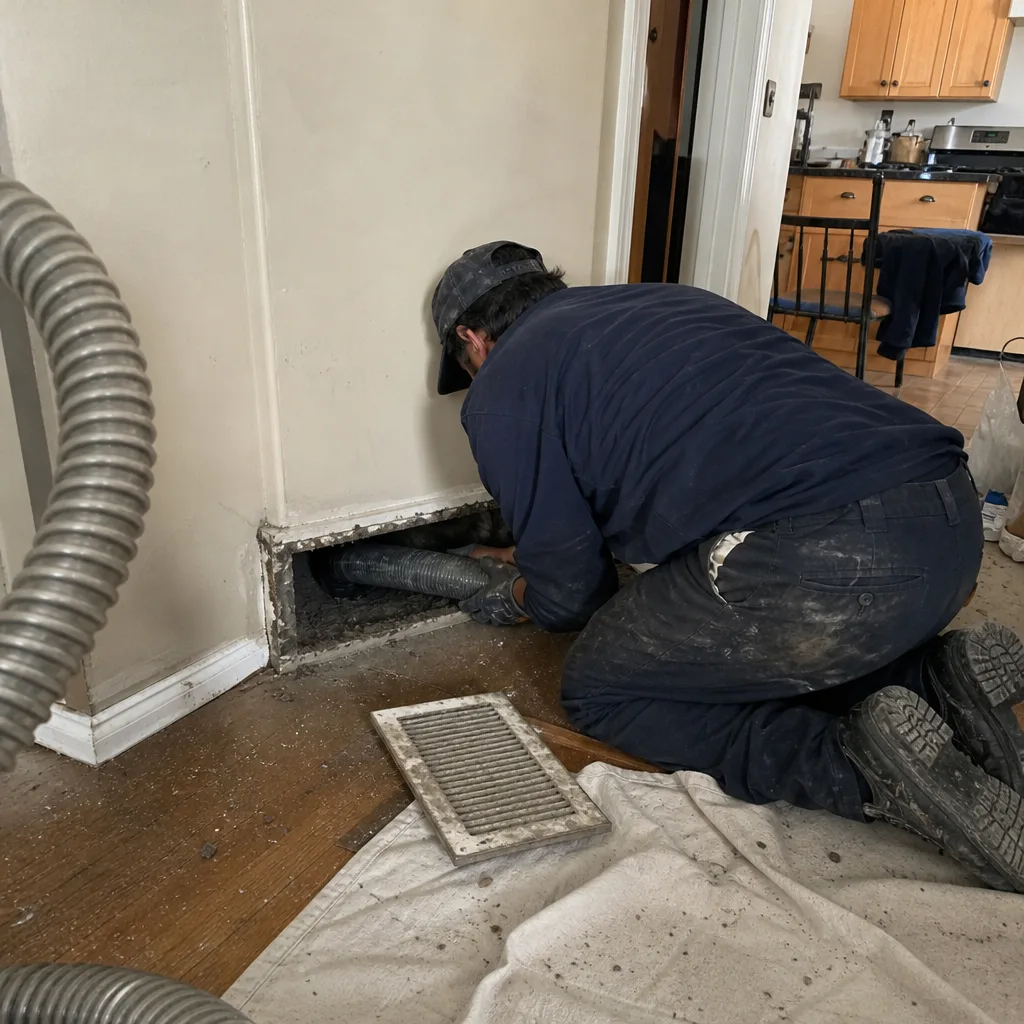
Whole-system duct and dryer vent check with before-and-after photos - you see exactly what came out of your vents
That "$99 whole-house special" is a bait ad - the real number appears once they are in your hallway, or the "clean" is a shop-vac at the register. We photograph the inside of your ducts before and after instead.
Air Duct Cleaning Emergency Preparedness Guide for South Jordan Homes
After the 2023 wildfire smoke events along the Wasatch Front, plenty of South Jordan homeowners did what seemed sensible at the time: they kept the HVAC running around the clock, figuring the filter would handle it. It didn’t work the way they expected. Continuous operation pulled smoke-laden air through the system and pushed fine particles past the filter, where they settled into duct insulation and interior surfaces for months. The lesson matters here because South Jordan sits in a bowl where trapped inversions and summer smoke both linger. This guide covers what to do right after an event, not just weeks later – smoke, flood moisture, construction dust, and post-remediation clearance.
Quick Answer
After a smoke, water, or construction event, shut down your HVAC if outdoor air quality is visibly bad or water has entered the system, document conditions with photos, and call a duct specialist within 48 to 72 hours if moisture is involved. In South Jordan, the biggest mistake is running the system continuously during smoke events and then waiting weeks to inspect the ductwork.
Styles & brands we work with
- Whole-home duct cleaning
- Dryer vent cleaning
- Camera inspection
- Sanitizing & deodorizing
Table of Contents
- Wildfire Smoke Response: When to Shut Down vs. Run Your HVAC
- What a Post-Event Duct Inspection Should Include
- Flood and High-Humidity Events: The 48-72 Hour Window
- Construction Dust From Neighboring Builds
- Post-Remediation Duct Clearance
- What to Have Ready Before You Call
- When Routine Service Beats Emergency Response
Wildfire Smoke Response: When to Shut Down vs. Run Your HVAC
Here’s the counterintuitive part: running your HVAC during heavy smoke can make indoor air worse, not better, unless your system is set up for it. Standard filters in most South Jordan homes capture some large particles, but smoke carries fine particulate that slips past a basic filter while the blower keeps drawing outdoor air in through every gap in the envelope. The system becomes a delivery mechanism rather than a barrier.
The decision comes down to filter quality, whether you have fresh-air intake, and how bad the outdoor air is. If you have a high-MERV filter and a well-sealed return, running the fan on low can help. If you have a basic filter and no way to close off outside air, shutting the system off is usually the safer call.
Smoke Event Decision Steps
- Check outdoor conditions. If you can smell smoke indoors or see visible haze, treat it as an active event.
- Assess your filter. A standard 1-inch filter is not a smoke barrier. A thicker media cabinet with a higher MERV rating can help.
- Seal and close. Close windows and doors, seal gaps at exterior doors, and set the system to recirculate if that option exists.
- Decide on the fan. Run continuously only if filtration is adequate. Otherwise, shut down until outdoor air clears.
- Schedule inspection after. Once the event passes, have the ductwork inspected for embedded smoke residue and odor.
Fine smoke particles settle into duct interior surfaces and insulation, and they don’t blow out on their own. If you notice persistent odor or see dark discoloration at the registers weeks later, that’s residual contamination. This is where air duct cleaning after smoke exposure differs from routine cleaning – the goal is contact-based removal of residue from interior surfaces, not just a vacuum at the vents. Mechanical cleaning with tools like Rotobrush and Nikro systems reaches the duct walls where smoke particles cling.
What a Post-Event Duct Inspection Should Include
An inspection after a smoke or moisture event is different from the visual peek most homeowners get during a routine service call. It needs to answer three questions: how far contamination traveled, whether insulation is affected, and whether the system can be cleaned or needs partial replacement.
What to Look For
- Interior coverage. Inspection should include supply and return trunks, branch runs, and at least one register per zone.
- Insulation condition. Flexible duct insulation absorbs smoke odor and moisture. Contaminated sections often need replacement, not cleaning.
- Odor persistence. Odor at the register is a sign residue reached the duct wall.
- Moisture presence. Any sign of water staining or damp insulation after a flood or leak changes the protocol.
- Filter and cabinet condition. Filters should be inspected and replaced as part of the job, not treated as a separately optional purchase.
A proper inspection should also document conditions with photos. If the inspector can’t show you what the inside of your ductwork looks like, you can’t verify what was found or what was cleaned. Ask to see before-and-after images for any area that gets cleaned. In South Jordan, where homes range from newer builds in Daybreak to older construction closer to the Jordan River corridor, duct layout and age vary enough that inspection needs to be specific to the house.
Flood and High-Humidity Events: The 48-72 Hour Window
Water in ductwork is a much bigger problem than most homeowners realize, because the inside of a flexible duct is basically a dark, humid, insulated cavity – ideal conditions for mold colonization. The 48 to 72 hour window is real. Within a few days of moisture exposure, mold spores that were already present can establish growth on insulation and interior duct surfaces. After that point, cleaning alone usually won’t solve the problem.
What Counts as a Moisture Event
- Flash flooding or sump backup that reaches the mechanical room
- Roof leaks that drip into ceiling duct runs
- Plumbing failures that wick into floor insulation beneath ducts
- Extended high-humidity stretches with no dehumidification
- Condensation from oversized or poorly sealed systems running hard in summer
South Jordan’s spring runoff and summer monsoon patterns both push moisture into homes in ways that coastal climate guides never address. The dry stretches in between are the relief valve, but only if the system dries out – trapped moisture under insulation doesn’t.
Steps After a Water Event
- Shut off the HVAC to stop circulating humid air.
- Photograph the water line, damp insulation, and any visible staining.
- Remove standing water and run fans on affected areas.
- Call for inspection within 48 hours, sooner if the water reached the furnace or air handler.
- Plan for section replacement if insulation is saturated, not just cleaning.
If moisture did reach the ductwork, expect a combined job – drying, removal of compromised sections, then cleaning of the rest. Containment equipment like Abatement Technologies units keeps the work area from spreading spores into the rest of the house while that happens.
Construction Dust From Neighboring Builds
New builds going up next door are a quiet source of duct contamination in South Jordan. The city has seen steady construction across Daybreak and the western edges for years, and homes adjacent to active sites collect drywall dust, sawdust, and concrete particulate through every open window and return during the build. It’s not a dramatic event, but it’s a slow accumulation that gets pulled into the system every cooling season.
How to Identify Construction Infiltration
- Visible dust at the register. A gray or white film at the supply registers is often drywall or concrete dust.
- Dust plumes on cold mornings. If you see dust puff out when the heat comes on, contamination has settled in the plenum or supply trunk.
- Increased allergy symptoms indoors. Fine construction dust is a common irritant.
- Recent renovation or build next door. Document the timeline – this matters for any warranty or insurance claim.
What to Document and What to Request
- Photograph exterior conditions and dust inside the home with dates.
- Note neighbors’ construction phases (excavation, framing, drywall) from the public record.
- Ask the site contractor whether dust suppression is used. In most Utah municipalities, some measures are required, but specifics belong to the local building department – ask them if you’re unsure.
- Request that window screens, exterior door sweeps, and return air filter grilles be checked at the next service.
A single cleaning after the adjacent build wraps usually resolves the buildup. If the site is active for months, plan for interim filter changes and a final cleaning once construction is done. HVAC cleaning covers the interior components beyond ductwork – coils, blower, and cabinet – which is where construction dust tends to accumulate after it enters the system.
Post-Remediation Duct Clearance
If your home has gone through mold remediation, rodent removal, or a major water-damage rebuild, the ductwork almost certainly needs more than a pass-through. Remediation contractors work on the structure, but the ducts are often left out of scope. Particles, spores, and rodent debris can remain in the system long after the source is removed, and re-occupying the home without addressing that is a real risk.
What a Clearance Job Must Accomplish
- Seal the system before cleaning. Registers and access points should be sealed to prevent contamination from escaping into the room during the work.
- Contain the work area. Abatement Technologies filtration units capture airborne particulate during cleaning.
- Mechanical cleaning from the inside. Tools like Rotobrush and Nikro systems scrub and extract rather than just vacuum at openings.
- Sanitize following cleaning. Not a substitute for cleaning, but it addresses residual microbial load on cleaned surfaces.
- Re-seal and repair. Any gaps introduced by remediation work should be sealed so the system is airtight afterward.
- Document with before-and-after photos. You should be able to verify the work, not take it on faith.
Rodent remediation is its own category. Droppings, nesting material, and urine residue in ductwork need full removal plus sanitizing. Honeywell and Aprilaire filtration products can also be added at that point if your system could benefit from higher-grade filtration long term. This is not a job for a shop vacuum – the containment and extraction matter more than the vacuum horsepower, which is why commercial-grade equipment tops the list for post-remediation duct clearance.
What to Have Ready Before You Call
The first conversation with a duct specialist goes much faster when you have a few basics in hand. The goal is not to impress us with technical detail – it’s to give us enough to plan the visit and possibly tell you whether you need emergency response or a standard appointment.
Have These Ready
- Event type and timing. “Smoke event 3 days ago” is more useful than “air is bad.”
- Whether water reached the mechanical room. This changes the response priority.
- Home details. Square footage, number of systems, and whether the duct runs are in attic, crawl space, or basement.
- System type. Whether the home has a single central system, multiple zones, or a mini-split setup.
- Photos you’ve already taken. Exterior conditions, any visible water or staining, filter condition, register dust.
What to Photograph in Advance
- Filter in place, before removal, so its condition is documented.
- Water staining on ceilings, walls, and insulation.
- Visible dust at exterior openings and register grilles.
- Any neighbor’s construction activity if you believe it’s the cause.
- Odor-damaged rooms with the date visible – some home insurers require this.
Have this before you call. The conversation will be faster and more useful. And when you do call, you’ll get an actual plan instead of a generic “we’ll come out and take a look.” For duct and filtration questions that aren’t emergencies, a standard appointment is fine. This guide is written from South Jordan and the parts that follow assume you’re local – area logistics, climate, and housing stock all shape how these jobs play out.
When Routine Service Beats Emergency Response
Not every duct problem is an event. Sometimes the signs are slowness, allergies getting worse season after season, or just years since the last cleaning. In South Jordan, homes without a recent service history often accumulate dust, pet hair, and construction debris so gradually that homeowners don’t notice until symptoms pile up.
Routine Service Signals
- Visible dust plumes at registers when the system starts
- No cleaning on record and the home is more than a few years old
- Persistent allergy symptoms worse indoors than outdoors
- Recent purchase of a resale home with unknown service history
- Dryer taking longer than it used to (worth a dryer vent cleaning conversation separate from HVAC ductwork)
Routine visits are scheduled jobs, not emergency responses, so there’s no reason to rush – but there’s also no reason to wait for a smoke event or a leak before booking one. Routine is the cheaper, easier path. Emergency is the fallback. If you’re not sure which applies, call and we’ll help sort out whether you need response or a scheduled appointment.
Common Mistakes to Avoid
- Running the HVAC continuously during a heavy smoke event. Standard filters don’t trap fine smoke particles, and the blower pulls outdoor air in through gaps. Shut down if your filtration isn’t up to it.
- Waiting past the 48-72 hour window after a moisture event. Water in duct insulation grows mold quickly in South Jordan’s summer humidity swings. Two days is a real boundary, not a guideline.
- Assuming remediation contractors cleaned the ducts. Structural remediation rarely includes ductwork. Ask specifically whether the duct system was in scope.
- Hiring a general handyman with a shop vac. Contact-based mechanical cleaning with commercial-grade equipment is a different job, and the difference shows up in the interior of the duct, not the register.
- Not documenting conditions before the crew arrives. Photos before service protect you if the work is challenged later. Take them yourself.
- Ignoring a neighboring construction site. Drywall and concrete dust are real. Document the timeline and schedule a cleaning once the build wraps.
- Choosing the lowest price. Duct cleaning costs vary because process varies. Bottom-dollar bids usually involve less equipment and less time. Ask what’s included before you compare.
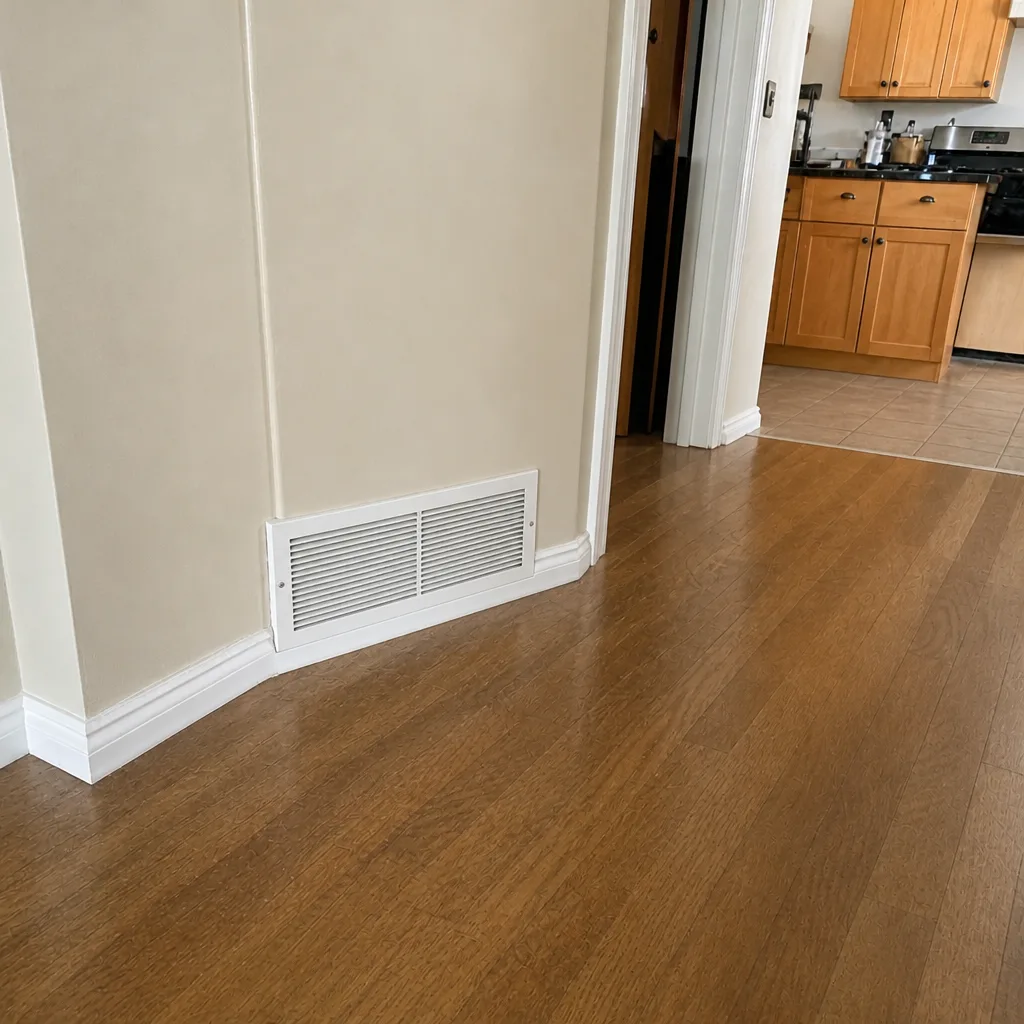
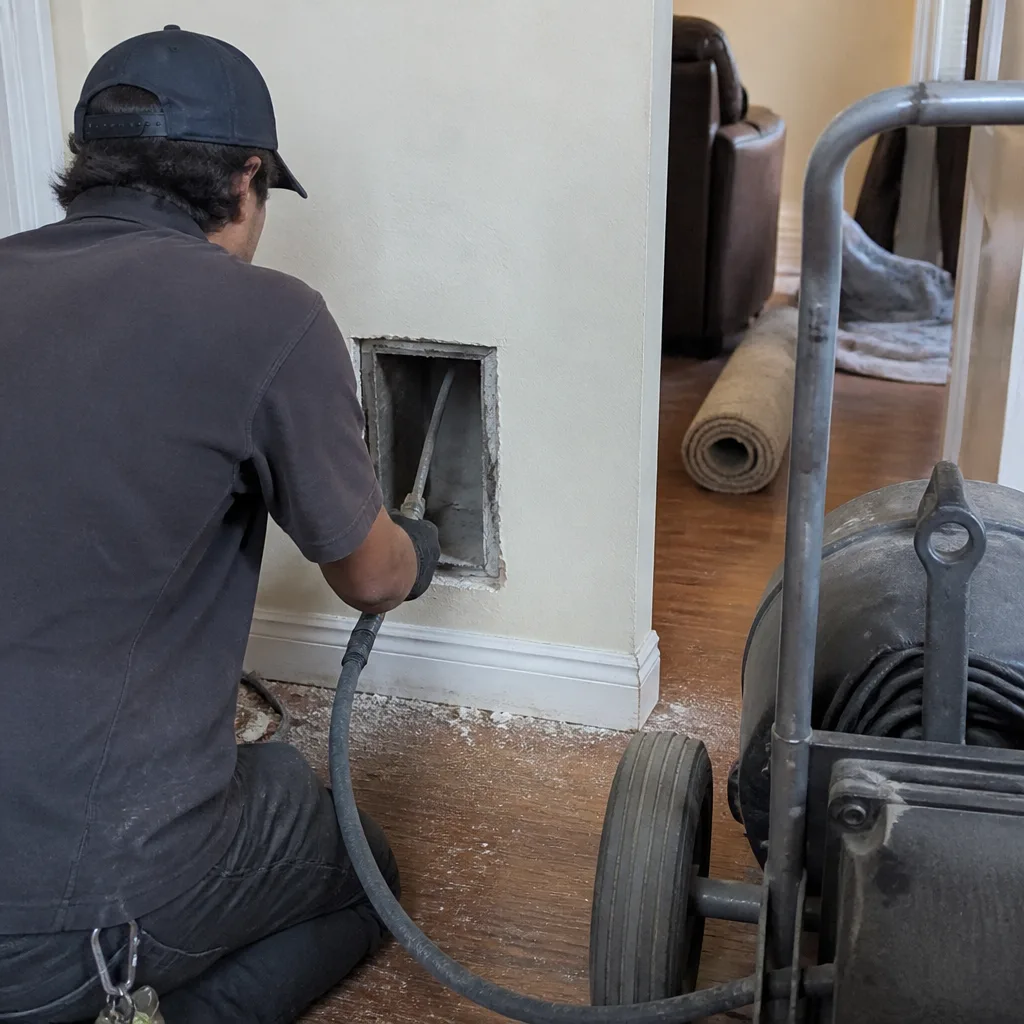
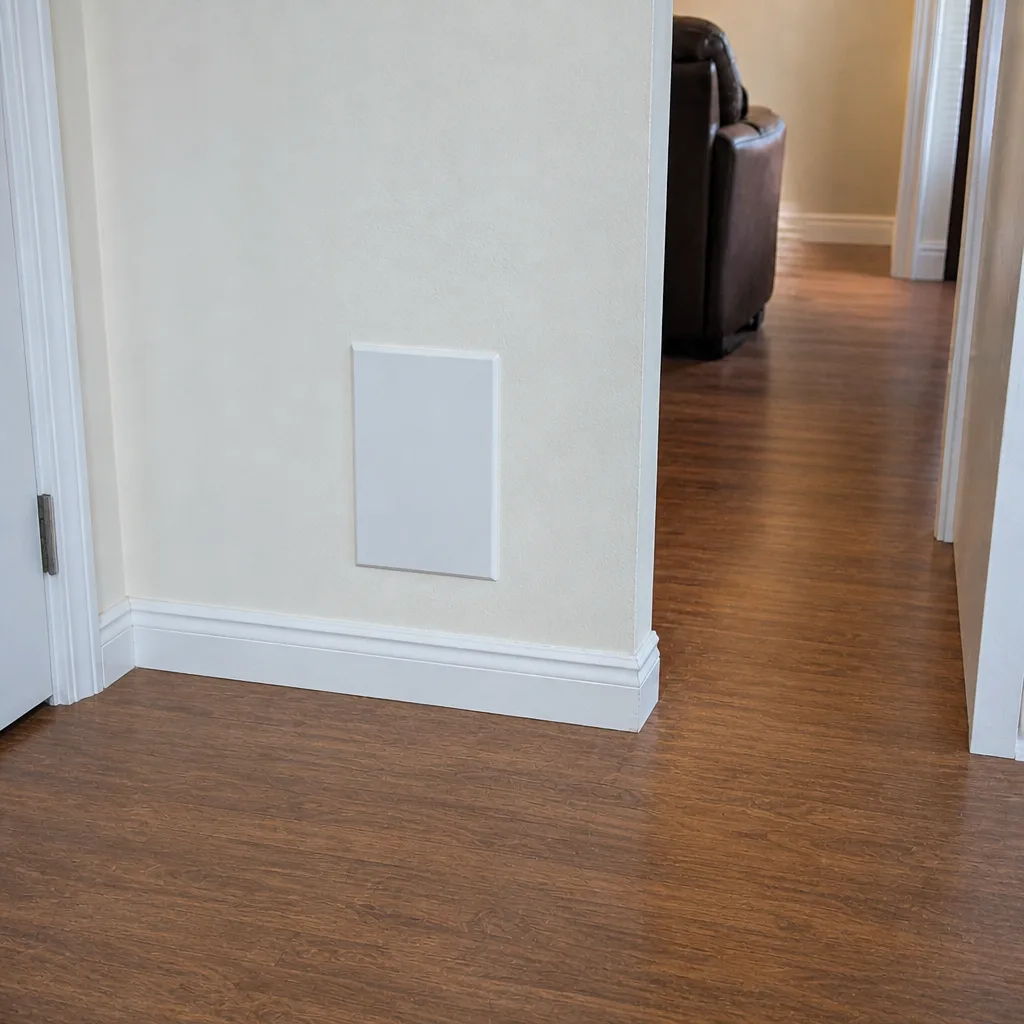
See the difference
 Before
 After
 Before
 After
 Before
 After
When to Call a Professional
Call for smoke infiltration that leaves persistent odor, moisture exposure to any part of the duct system, contamination after pest or mold remediation, or a home with no cleaning history that’s showing dust plumes at the registers. Surface wiping and register vacuuming don’t reach the interior surfaces where contamination settles, and a shop vac doesn’t have the containment or extraction to handle a real remediation job. South Jordan Air Duct Cleaning Pros offers free estimates in South Jordan – call (844) 443-4758. We answer 24/7. Fast dispatch from 7am to 7pm, Sunday through Friday. The team works with commercial-grade equipment from Rotobrush, Nikro, and Abatement Technologies, plus Guardsman surface protection during the visit.
Frequently Asked Questions
Usually within two to four weeks, once outdoor air has cleared and you’ve documented any odor or visible residue at the registers. There’s no urgency during the event itself – shut the system down if filtration isn’t adequate, and schedule inspection after the smoke clears. Call (844) 443-4758 for an exact quote – estimates are free.
Only if you have adequate filtration – a higher-MERV media cabinet, not a basic 1-inch filter – and the system is sealed well enough that outdoor air isn’t infiltrating. Otherwise, shut it down until outdoor air improves. Continuous operation with basic filtration is what causes the smoke-residue problem in the first place.
Call for inspection within 48 hours, and don’t run the HVAC in the meantime. Water in flexible duct insulation is a mold risk that escalates after 48 to 72 hours. Sections that remain saturated usually need replacement, not cleaning. Call (844) 443-4758 for an exact quote – estimates are free.
Coverage depends on the event – smoke, water, and fire-related contamination is sometimes covered, and routine maintenance is generally not. Ask your insurer directly and document conditions with photos and dates before work begins. The written estimate from your duct specialist is usually what the insurer wants to see.
Ask for before-and-after photos of your own ducts, and look inside an access panel yourself if you want to verify. A crew that won’t show you the interior of the ductwork didn’t clean it. That’s the practical test in this trade.
Usually because the process is shorter, the equipment is lighter, or the crew works only at the registers. Contact-based mechanical cleaning with commercial tools takes longer and costs more. Ask what’s actually included, then compare – not just the number.
The Bottom Line
The key to post-event duct problems in South Jordan is timing and process. Smoke events need filtration awareness and shutdown decisions, not continuous operation; moisture events need response within 48 to 72 hours; construction and remediation events need documented conditions and full-scope cleaning. Routine service handles the long-tail accumulation, and emergency response handles the event aftermath. If you’re unsure which applies, call South Jordan Air Duct Cleaning Pros at (844) 443-4758 for a free estimate. We answer 24/7. Fast dispatch from 7am to 7pm, Sunday through Friday. Visit South Jordan Air Duct Cleaning Pros for the full service lineup.
Written by the team at South Jordan Air Duct Cleaning Pros.