
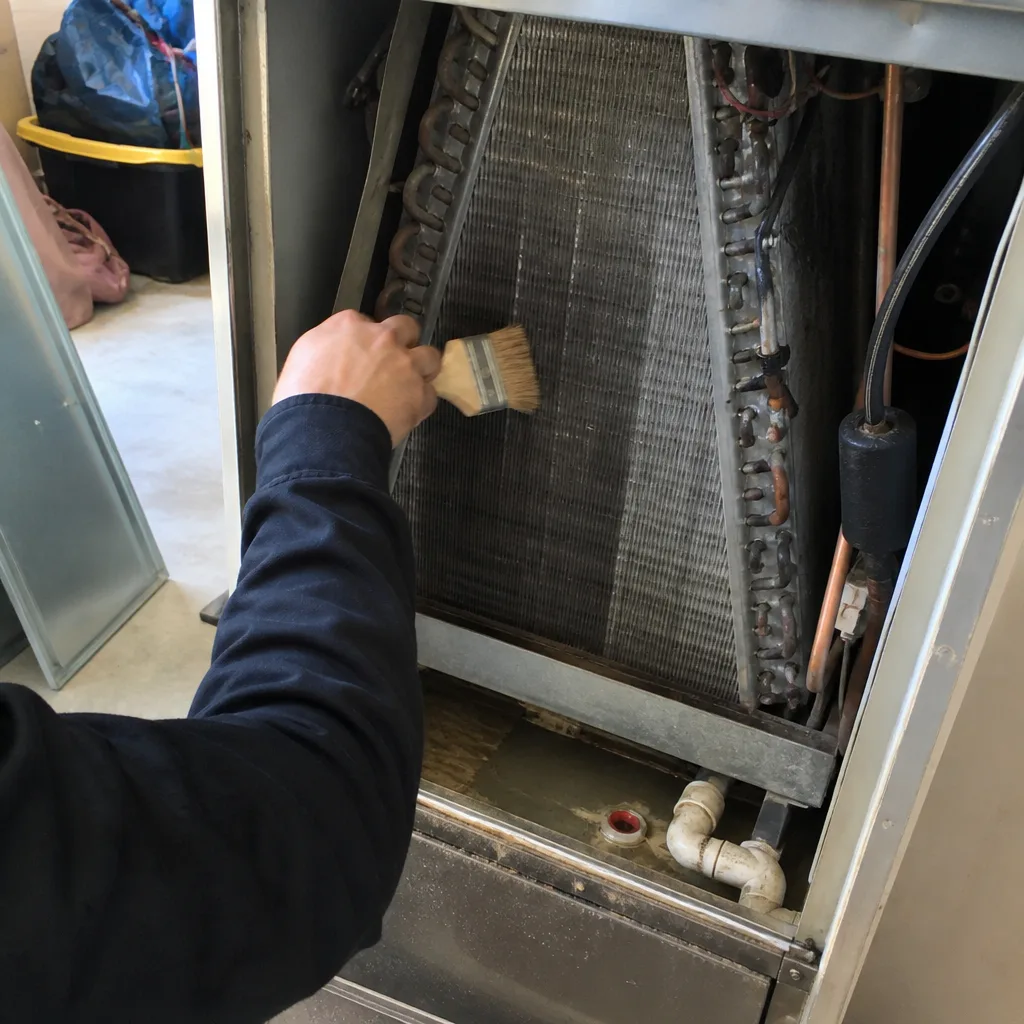
Last updated November 25, 2026
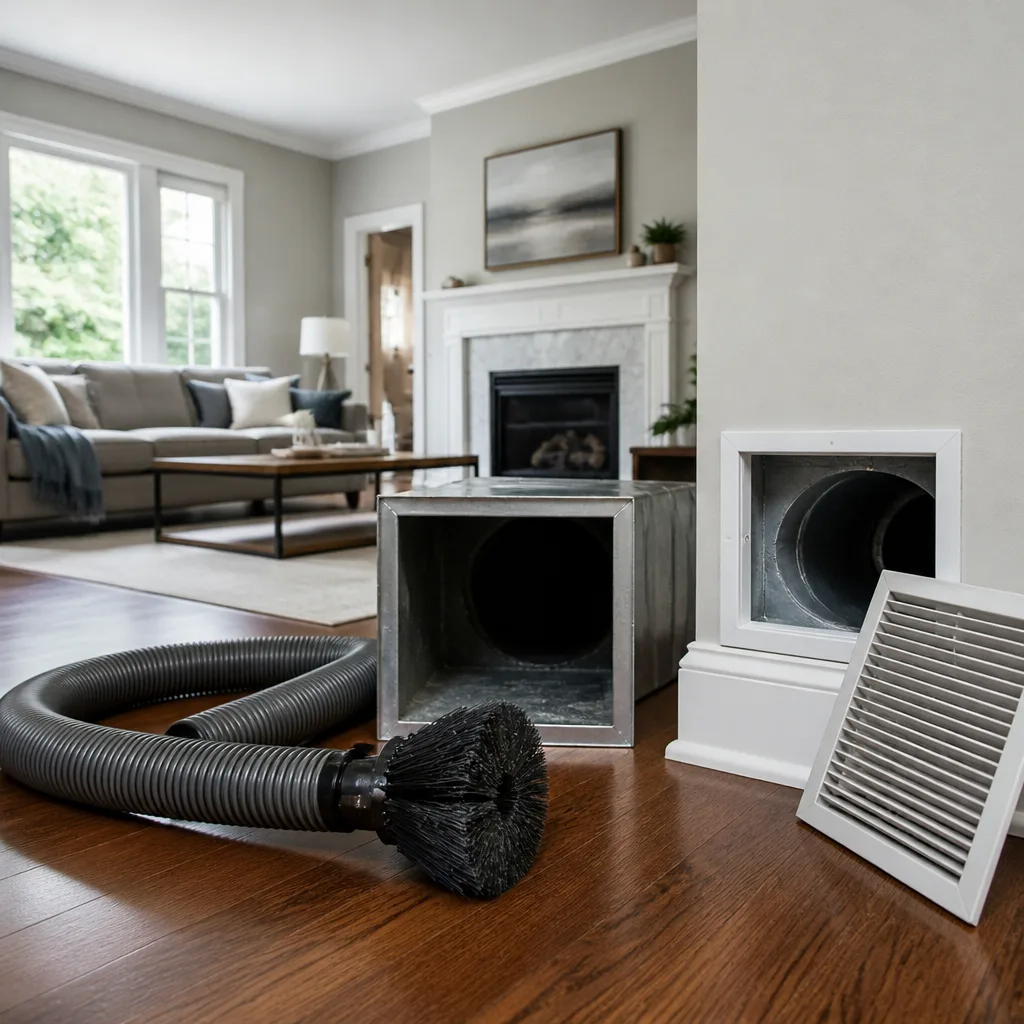 Whole-home duct cleaning
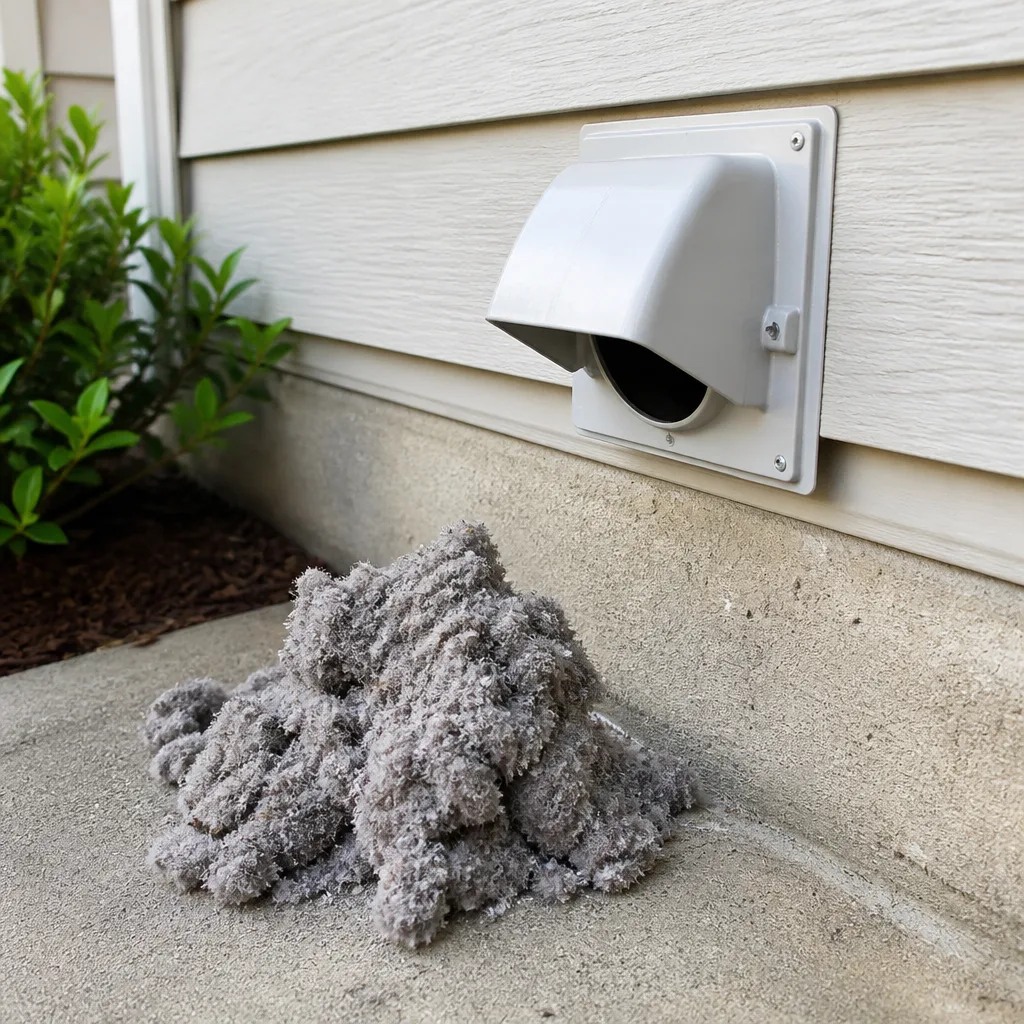 Dryer vent cleaning
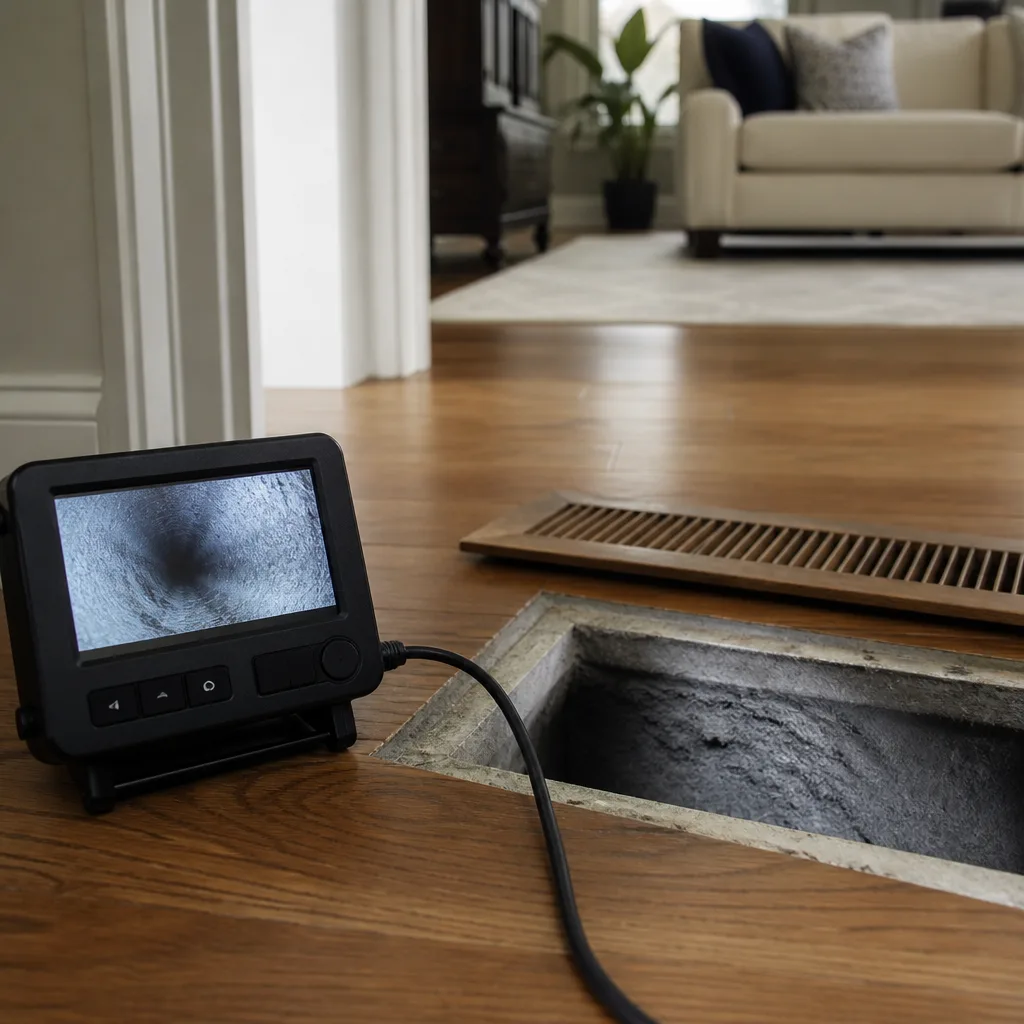 Camera inspection
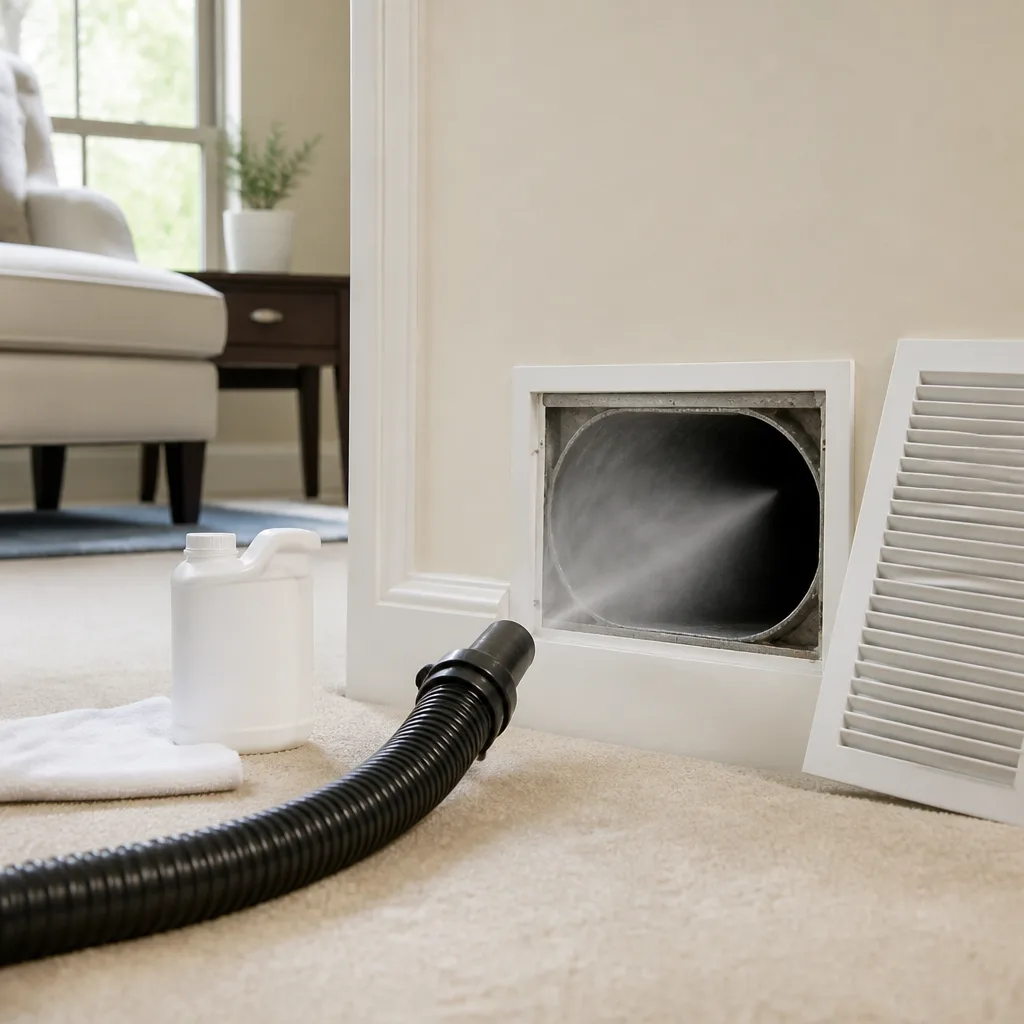 Sanitizing & deodorizing
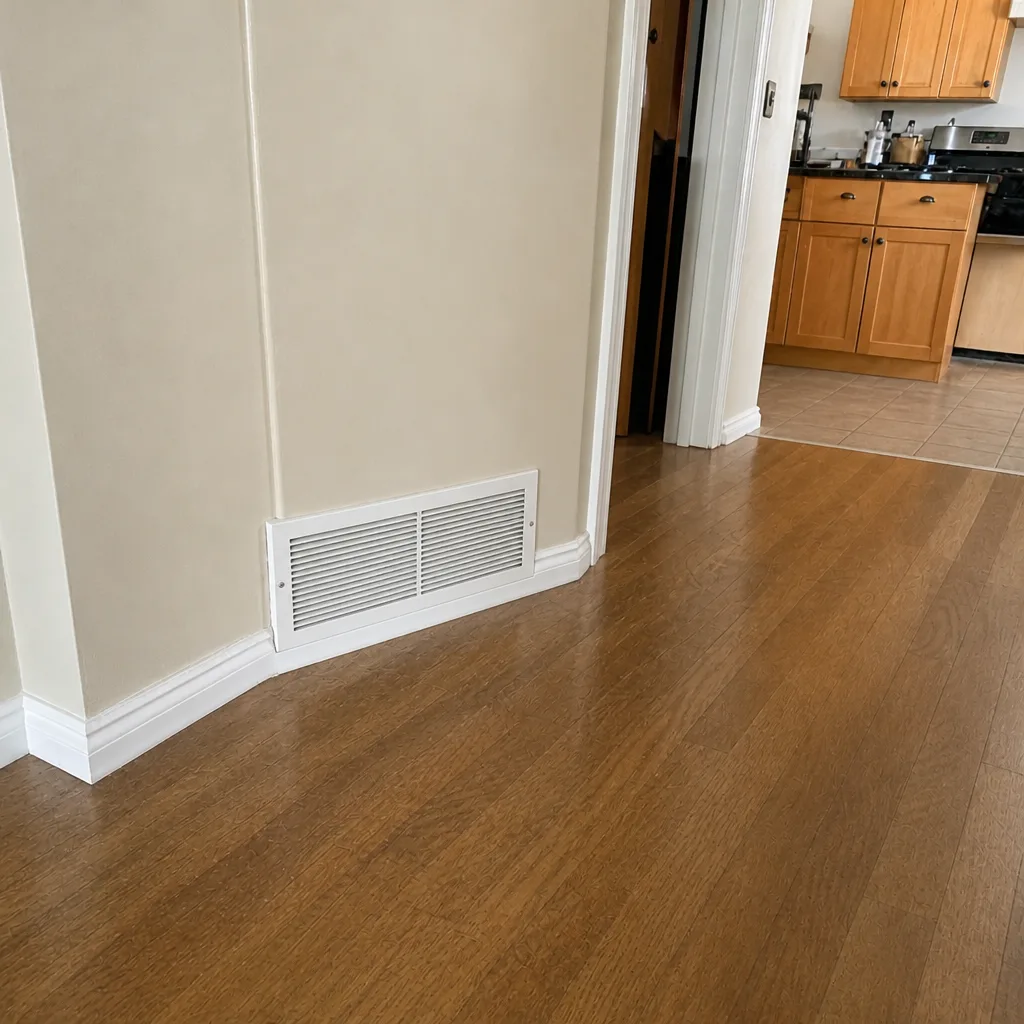
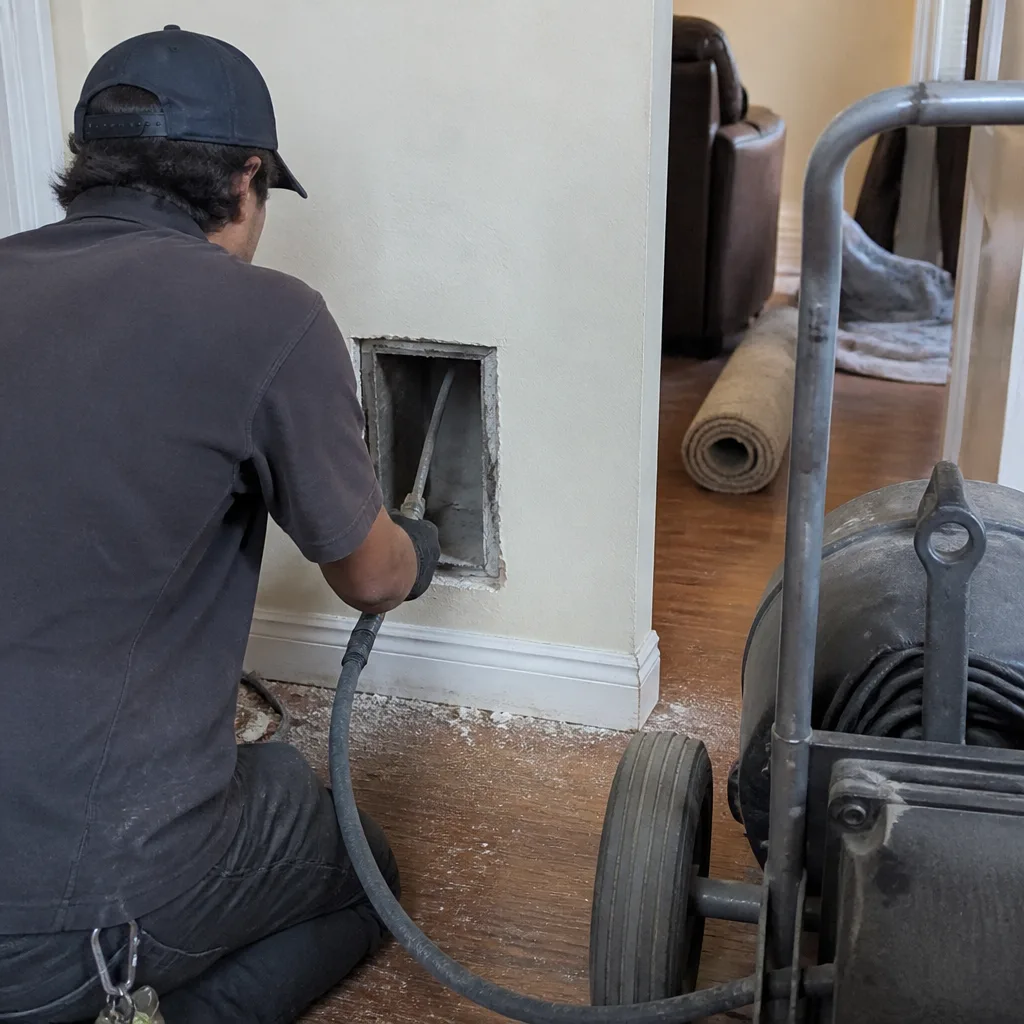
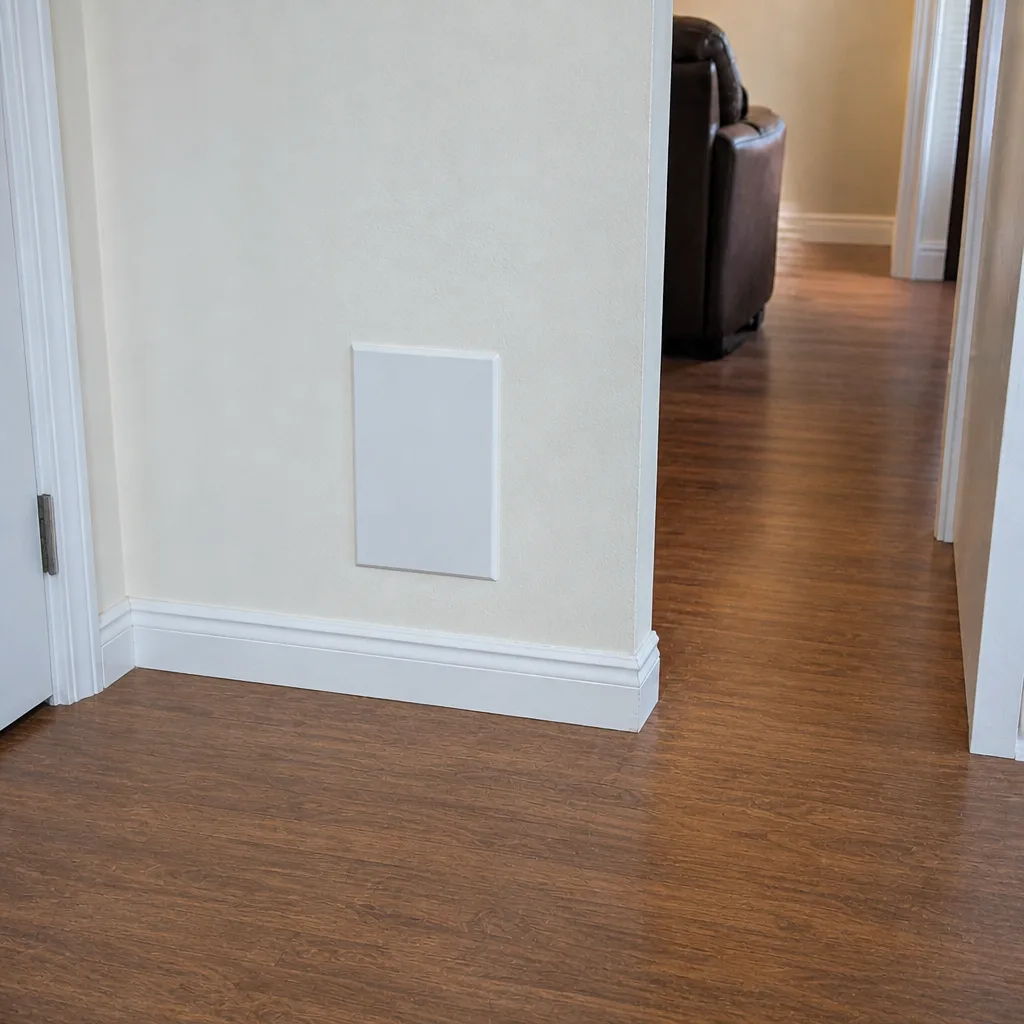
Whole-system duct and dryer vent check with before-and-after photos - you see exactly what came out of your vents
That "$99 whole-house special" is a bait ad - the real number appears once they are in your hallway, or the "clean" is a shop-vac at the register. We photograph the inside of your ducts before and after instead.
Air Duct Cleaning Maintenance Checklist for South Jordan Homeowners
Getting your ducts cleaned and then ignoring your filter rack for eight months is like detailing a car with a cracked oil pan. The visible part looks right, but the system is still failing. Cleaning resets the clock on your ductwork; it doesn’t stop the dust, pollen, and smoke that keep moving through it afterward. What keeps a cleaned system clean is a rhythm of small checks done at the right intervals, matched to how this valley really seasons. Below is the checklist we’d hand a South Jordan homeowner at the end of a cleaning, written so you can run it yourself between professional visits and know exactly when to call.
Styles & brands we work with
- Whole-home duct cleaning
- Dryer vent cleaning
- Camera inspection
- Sanitizing & deodorizing
Quick Answer
A duct maintenance checklist for South Jordan means checking your filter monthly, inspecting the filter housing and registers quarterly, logging humidity near return ducts seasonally, and booking professional cleaning and inspection on a schedule that fits your household. Do the small checks yourself, keep a simple written record, and let those records tell a technician when something inside the system is starting to fail rather than simply dirty.
Table of Contents
- How South Jordan’s Seasons Change Your Duct Maintenance
- The Monthly Checklist
- The Quarterly Checklist
- The Annual Checklist and Professional Visit
- Inspecting Filter Housing for Bypass Gaps
- Visual Register Checks You Can Do Without Tools
- Logging Humidity Near Return Ducts
- What to Record After Each Service
- Common Mistakes to Avoid
- When to Call a Professional
- Frequently Asked Questions
- The Bottom Line
How South Jordan’s Seasons Change Your Duct Maintenance
Duct maintenance in South Jordan isn’t the same from one month to the next. The Salt Lake Valley hands you three distinct dust and particle seasons that each push a different load into your system, and a checklist that ignores them will always be a step behind.
Spring brings pollen. The valley floor and the foothills around Daybreak and the neighborhoods west of the Jordan River throw off tree and grass pollen through the warming months, and every time the system runs it pulls that pollen through the return grilles. Summer adds wildfire smoke. When smoke settles over the valley, air handlers move fine ash and combustion particles through the same ducts that carry your cooled air. Fall brings construction dust. South Jordan has seen steady building on its edges, and nearby grading, concrete work, and landscaping send a fine grit into the air that finds its way inside.
That means your filter’s job changes with the calendar. A filter that looks fine in a quiet month can load up fast during a pollen peak or a smoke event. The checklist below is built to be run against these seasons rather than a generic monthly reminder, and it’s the same rhythm our South Jordan Air Duct Cleaning Pros team recommends after every cleaning we complete.
- Spring: watch the filter more often than usual; pollen loads build quickly.
- Summer: during smoke events, check the filter weekly and keep windows closed while the system runs.
- Fall: expect grit from nearby construction and landscaping; registers near entry doors show it first.
- Winter: the system runs hard for heat; a clogged filter strains the air handler and shows up as higher static pressure.
The Monthly Checklist
Monthly tasks take about ten minutes and catch the most common source of re-contamination before it spreads through the whole system. These are the checks that keep a freshly cleaned system from quietly re-dirtying itself.
- Pull the filter and hold it up to a light. If you can’t see light through it, replace it. Don’t rely on the calendar alone; a smoke week or a dusty renovation can load a filter early.
- Note the filter’s condition in a notebook or phone note. “Light gray dust, edges clean” tells you more next month than a vague memory.
- Run your hand along the return grille. A film of dust on the grille face means the filter isn’t catching everything it should.
- Listen to the air handler at start-up. A new whistle or a rougher hum can point to a restricted filter or a loose panel before it becomes a bigger problem.
- Check the filter’s fit in the rack. If it slides around loosely, air is bypassing it. Note that for a closer look at the quarterly check.
This is the rhythm that separates a system that stays clean from one that looks clean at the vents and isn’t. Monthly attention to the filter is the single highest-return habit on this list.
The Quarterly Checklist
Every three months, go a little deeper. These checks look at the parts of the system that feed the ducts, and they’re where you’ll catch the issues a monthly filter swap can’t.
- Inspect the filter housing for gaps. Look at the edges of the filter rack where the filter slides in and where it meets the duct. Any visible gap around a filter is a bypass path, and unfiltered air is going straight into your ducts around it. More on this below.
- Look at the blower compartment if it’s accessible. Dust caked on the blower wheel is a sign that filtration is failing upstream. Don’t dismantle anything; just look through any inspection panel your system has.
- Shine a light into supply registers. Remove a register cover on the main floor and look inside the boot. Fresh gray dust on the first few inches of the duct is normal between cleanings; a thick, matted layer means it’s time to schedule.
- Check the return air path in the basement or utility closet. Return ducts pull the dirtiest air in the house, so they’re the first place to show trouble.
- Check the condensate line and drain pan in cooling season. Standing water and biological growth near the air handler can feed moisture into the whole system.
Quarterly checks also give you the chance to compare this season against the last. If your register dust is heavier than three months ago, that’s a trend worth logging, and a technician can use it to spot a filtration or sealing problem on the next visit.
The Annual Checklist and Professional Visit
Once a year, schedule a professional inspection and cleaning, timed to follow the heaviest dust and pollen season rather than to lead it. In South Jordan, that usually means booking after spring pollen and the summer smoke season, in late summer or early fall, so the system is clean going into the heating season.
The professional visit is where commercial-grade equipment matters. Our technicians use Rotobrush and Nikro mechanical cleaning systems, the contact-based tools that scrub and pull debris from the duct walls rather than just puffing air through the vents, and Abatement Technologies air filtration equipment on-site to keep dust contained while the work happens. Our technicians have up to 10 years of experience, so they know what a South Jordan system looks like in June versus January.
On the day of the visit, the crew should:
- Inspect the accessible ductwork, the air handler, and the filter housing before starting.
- Set up containment and filtration so the dust they dislodge doesn’t end up in your living room.
- Clean the supply and return runs, the boots, and the air handler components with mechanical tools.
- Check the ducts for leaks, loose joints, and any insulation damage while access is open.
- Show you before-and-after photos of your own ducts, not a sample photo from a brochure.
While the system is open, it’s also the right time to ask about HVAC cleaning for the air handler and coil, and about duct sealing if the crew found leaks. And if your dryer vent hasn’t been looked at, that’s a separate annual task worth scheduling alongside the duct visit through dryer vent cleaning.
Inspecting Filter Housing for Bypass Gaps
The most overlooked re-contamination source after a professional cleaning is a gap around the filter. A filter only works if all the air passes through it. If the filter sits in a rack with a visible gap at one edge, or it’s a quarter-inch narrower than the slot it slides into, a portion of the air goes around it, carrying dust straight into the ducts and air handler. A homeowner can’t fully seal a rack, but you can spot the problem and describe it clearly to a technician.
Here’s how to check without tools:
- Turn the system off before you touch anything inside the housing.
- With the filter in place, shine a flashlight at each edge of the filter where it meets the rack.
- If you see light passing between the filter frame and the rack, that’s a gap. Air will follow the same path.
- Check that the filter is the right size for the rack. A filter that slides in easily and sits loosely is usually undersized or in a rack that’s sagged.
- Look for a filter rack that’s out of square or has a missing side channel; both create bypass paths.
Write down what you see, including which edge has the gap. When a technician arrives, that note tells them exactly where to check for sealing. If the housing can’t be made airtight, a filter housing upgrade or a different filter style may solve it. Honeywell and Aprilaire both make filtration housings that are built to fit tightly, and we can supply and install both.
Visual Register Checks You Can Do Without Tools
You don’t need equipment to spot early debris accumulation. A visual check of your registers, done every quarter, is a reliable early-warning system, and it takes a couple of minutes per room. The reason it works is simple: the register is the last place air passes before it enters the room, so what collects there tells you what’s traveling inside.
- Look at the register face. A light dust film that wipes off is normal. Thick fuzz or a gray mat means debris is being pushed out of the duct.
- Check the supply registers first. They push clean air out, so heavy dust on a supply register points to debris that started upstream.
- Check the returns next. Return grilles pull air in, so they collect faster. A return that’s dusty within a month of cleaning is worth logging.
- Look for staining or dark streaks around the register frame. Dark streaks can mean air is leaking around the boot and pulling in dust from the wall cavity.
- Smell the air at the register when the system starts. A musty or dusty smell that fades after a minute can point to moisture or debris in the duct or air handler.
- Look at registers near doors, garages, and kitchens first. These spots collect more in South Jordan because they’re closest to the grit coming in from outside and the cooking particles from inside.
Snap a photo of anything that looks out of proportion. When you book your next air duct cleaning, share those photos with the scheduler so the crew knows what to expect.
Logging Humidity Near Return Ducts
Humidity inside ductwork is the quiet problem. Dry ducts don’t grow anything; ducts that stay damp can. A cheap hygrometer placed near a return duct, checked a few times each season, tells you whether condensation risk is building inside the system.
Here’s how to build the reading into your checklist:
- Place the meter near a return grille, not near a supply. Returns carry the air that’s been through the house, so their humidity is the more telling number.
- Take a reading in the morning and in the evening, once a season. Two readings per season is enough to build a baseline.
- Log the number and the outdoor temperature on the same line. Indoor humidity only means something next to what’s happening outside.
- Pay attention to the cooling season. Condensation risk climbs when the system runs hard in summer and the return air is humid.
- Note any musty smell in the same entry as the reading. Smell plus high humidity is a stronger signal than either alone.
As a rule, indoor relative humidity that regularly climbs above the middle of the typical comfort range, especially when the air conditioner is running, is worth mentioning to a technician. That reading, plus the smell note, tells them whether to look at the air handler, the drain pan, or the duct insulation on the next visit. If the reading stays high all year, talk to us about Aprilaire humidity control equipment, which we can supply and install.
What to Record After Each Service
The record is what turns a checklist into a diagnostic tool. Without notes, each visit starts from zero. With notes, a technician can see a trend and catch deterioration before it becomes a repair.
After every service, record these items in a single notebook or a note on your phone:
- Date and what was done. Cleaning, inspection, dryer vent, HVAC coil, whatever was completed.
- Filter size and rating, plus the install date. Note whether it was replaced and how it looked.
- Humidity reading and where you took it. Keep the same spot so the numbers compare.
- Register observations for the rooms you checked, and any photos you snapped.
- Any new sounds, smells, or comfort changes. Rooms that heat or cool unevenly are worth a note.
- Anything the crew flagged, including leaks, sealing issues, or parts that may need attention later.
When a technician arrives for the next visit, a two-minute read of that record tells them where to look first. That’s the difference between a maintenance rhythm and a series of disconnected cleanings.
Common Mistakes to Avoid
- Replacing the filter but ignoring the housing. A new filter in a rack with a bypass gap still lets unfiltered air into the ducts. Inspect the edges of the housing, not just the filter itself.
- Running the system during a dust-generating project. When someone is sanding, cutting, or pouring concrete near the house in South Jordan, the return grilles pull that grit straight in. Shut the system off during the worst of it and check the filter afterward.
- Treating cleaning as the whole job. Cleaning without sealing loose joints and repairing compromised insulation lets the system re-contaminate from the wall cavity or attic side.
- Choosing a contractor on price alone. Low quotes often come from equipment that doesn’t reach the duct walls. Rotobrush and Nikro systems clean by contact; a shop vacuum doesn’t.
- Skipping the dryer vent. The dryer vent is a separate system with its own lint load, and it needs its own annual service. Bundle the task into the same visit to keep the whole air pathway on one schedule.
- Never logging anything. Without a record, no one can tell whether the system is slowly deteriorating or staying stable. A few notes are worth more than a memory.
- Ignoring the humidity reading because it feels fine. A dry-feeling house can still have high humidity near a return duct in summer. Take the reading instead of relying on how the room feels.
When to Call a Professional
Some jobs are checklist jobs. Others need the equipment. Call a professional if you see thick matted dust inside a register boot, if the filter housing has a gap you can’t close, if there’s a musty smell that comes back within a week of cleaning, or if anyone in the house has had a persistent respiratory reaction that seems tied to the HVAC running. Also call if the ducts have visible damage, if insulation has pulled loose inside a duct run, or if you’ve recently finished a renovation and the system ran through it. South Jordan Air Duct Cleaning Pros offers free estimates in South Jordan. Call (844) 443-4758. We answer 24/7. Fast dispatch from 7am to 7pm, Sunday through Friday. The local pro is licensed and insured as their state requires, and every job gets one flat price per system agreed before work starts.
Frequently Asked Questions
Most South Jordan homes do well with a professional cleaning and inspection once a year, timed after spring pollen and summer smoke season. Homes with allergies, pets, recent renovations, or nearby construction may need it more often. The right interval for your house is easier to set if you keep the checklist record so a technician can see how fast your system loads. Call (844) 443-4758 for an exact quote; estimates are free.
Filter bypass is the usual reason. If air slips around the edges of the filter instead of through it, unfiltered dust goes straight into ducts that were just cleaned. A gap in the filter housing or an undersized filter is enough to undo a professional cleaning in a few months. Call (844) 443-4758 for an exact quote; estimates are free.
Yes, the register and filter checks in this checklist need nothing more than a flashlight and a notebook. Look at the register face, check the filter for light transmission, and inspect the housing edges for gaps. Anything that looks wrong, write down or photograph for the technician. Call (844) 443-4758 for an exact quote; estimates are free.
The number that matters more than any single reading is whether it climbs through the cooling season. If humidity near the return keeps rising in summer while the system runs, condensation risk inside the ducts is going up. Log it the same way each time so the trend is visible. Call (844) 443-4758 for an exact quote; estimates are free.
Ask for before-and-after photos of your own ducts, not a sample. Our crews take them as part of every cleaning. You should also be able to see the containment setup while they work, and a flat price per system is agreed before any work begins. Call (844) 443-4758 for an exact quote; estimates are free.
It’s usually efficient to do both in the same visit, since the air handler is open during cleaning. HVAC cleaning covers the blower, coil, and cabinet; duct cleaning covers the runs, boots, and registers. Doing them together keeps the whole air pathway on one service record. Call (844) 443-4758 for an exact quote; estimates are free.
The Bottom Line
A duct maintenance checklist isn’t a reminder to schedule a cleaning. It’s a diagnostic rhythm. Monthly filter checks, quarterly housing and register inspections, seasonal humidity logs, and a written record of every service give a technician what they need to spot filter bypass, insulation damage, or air-handler trouble before it silently re-contaminates a freshly cleaned system. In South Jordan, that rhythm has to account for spring pollen, summer smoke, and fall construction dust, because the load on your system changes with each one. Do the small checks yourself, keep the notes, and bring in the equipment for the rest. Call (844) 443-4758 for a free estimate. We answer 24/7. Fast dispatch from 7am to 7pm, Sunday through Friday.
Written by the team at South Jordan Air Duct Cleaning Pros.
See the difference
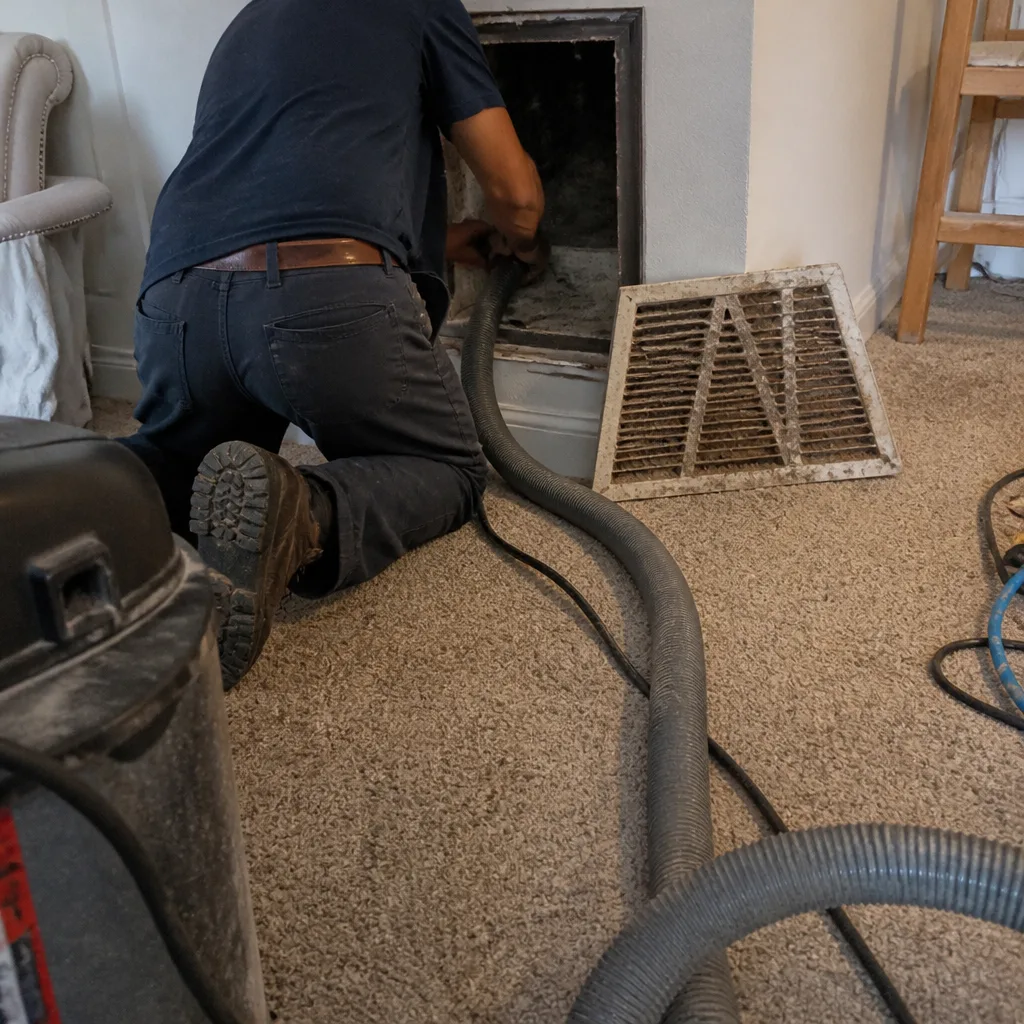 Before
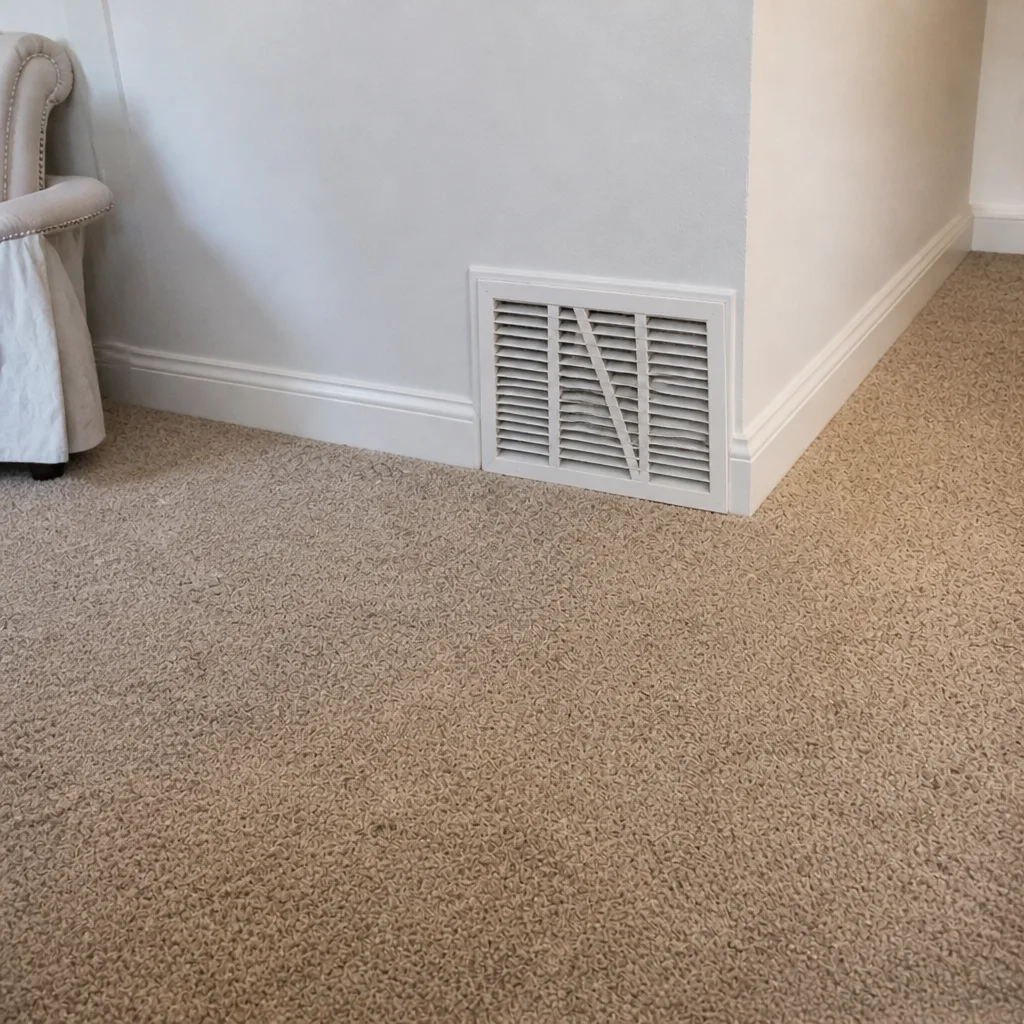 After
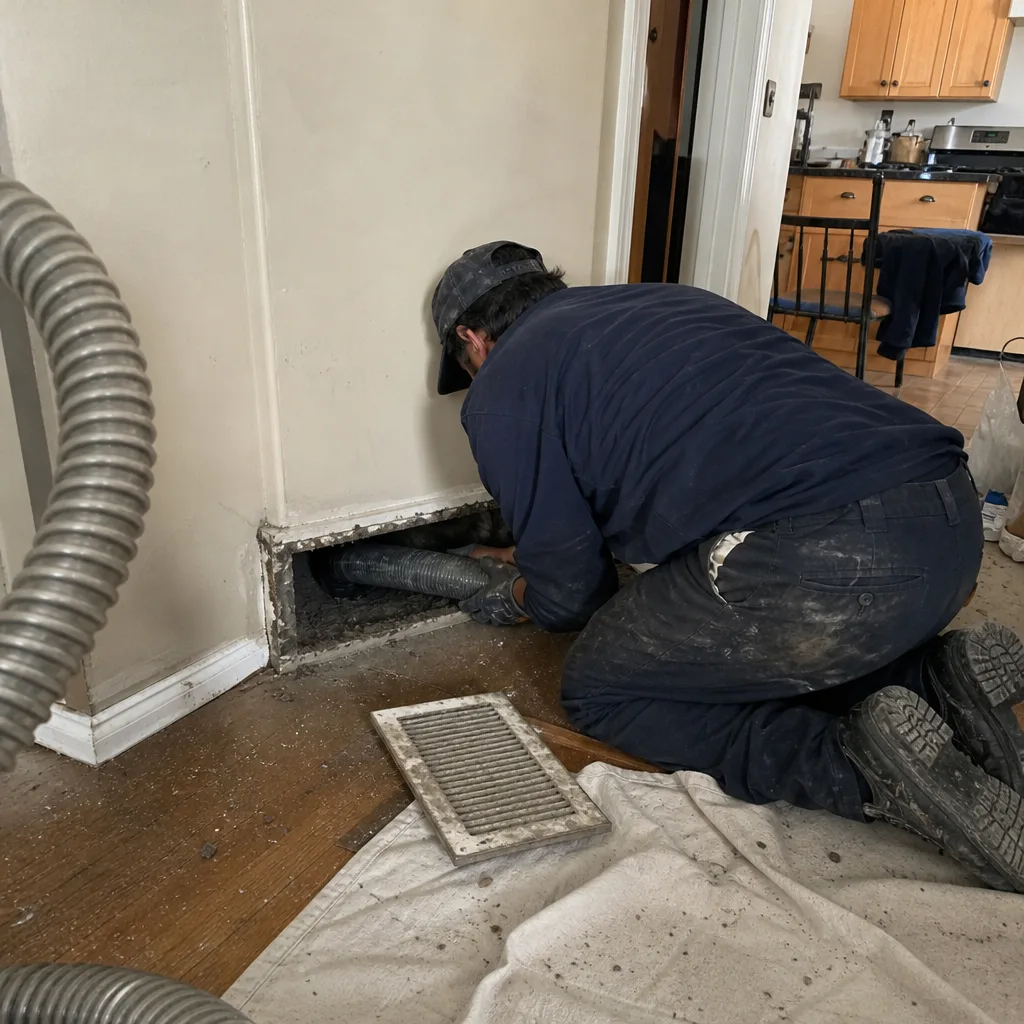 Before
 After
 Before
 After