
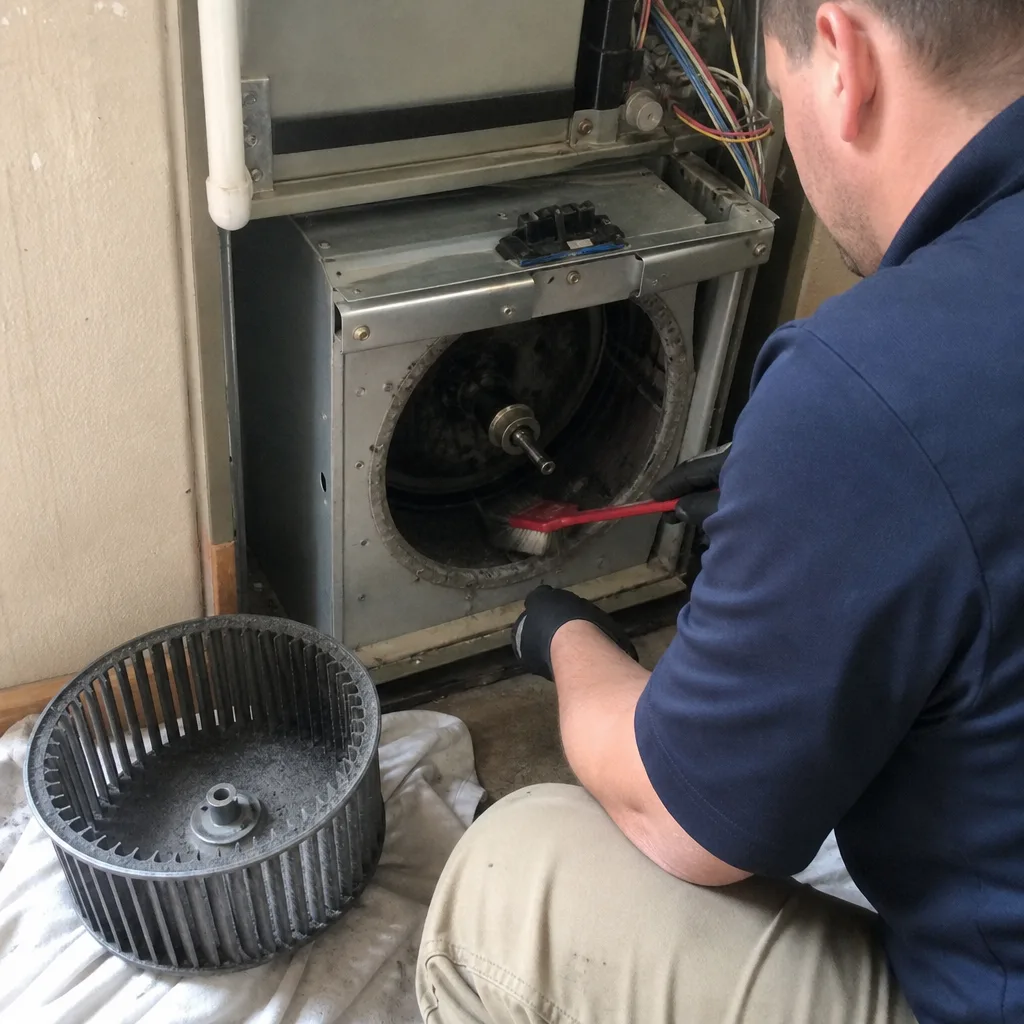
Last updated November 25, 2026
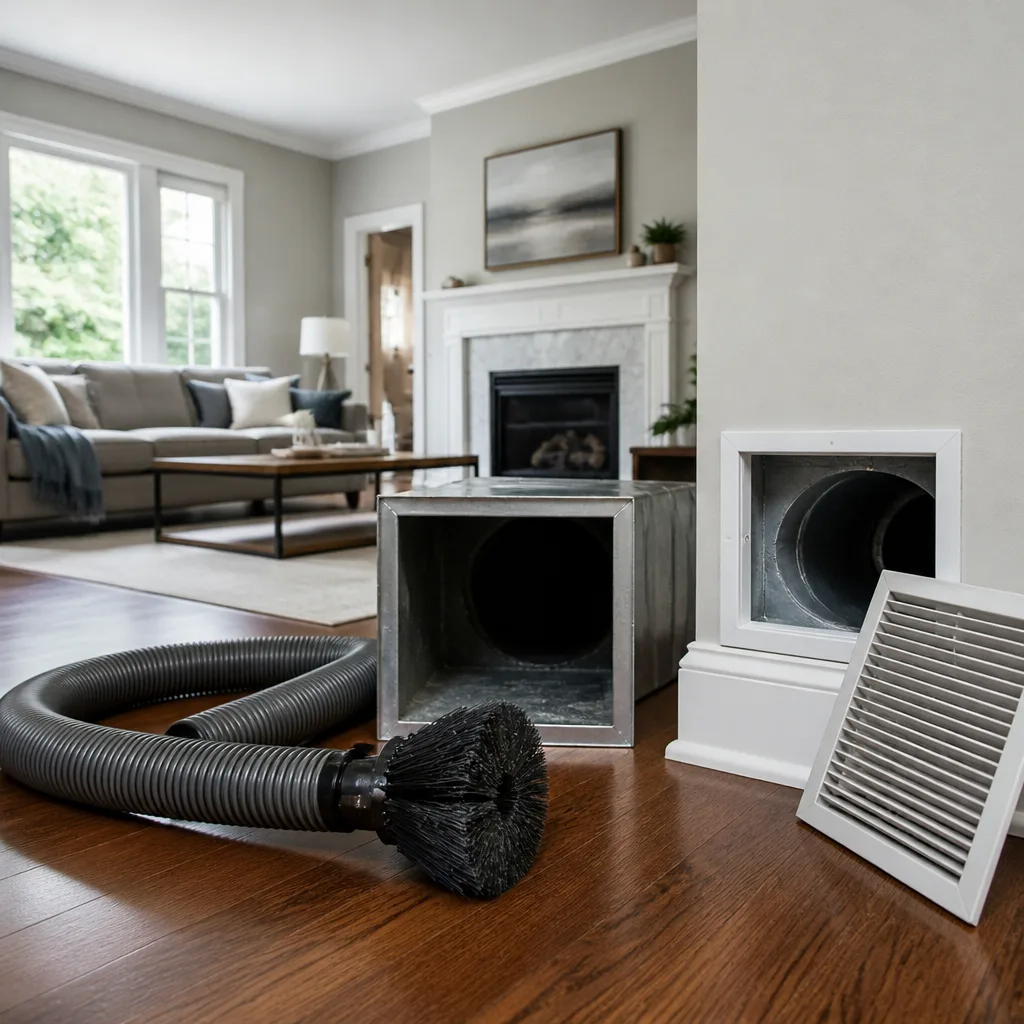 Whole-home duct cleaning
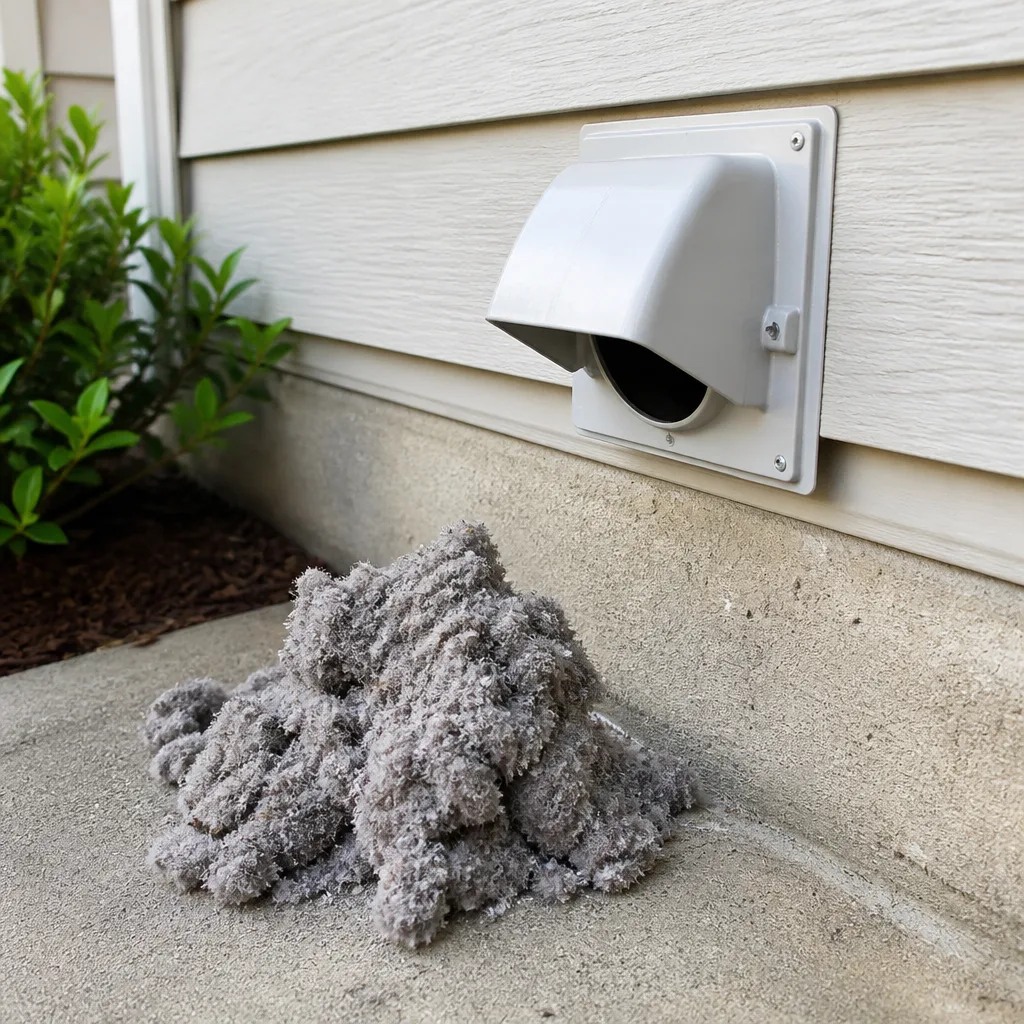 Dryer vent cleaning
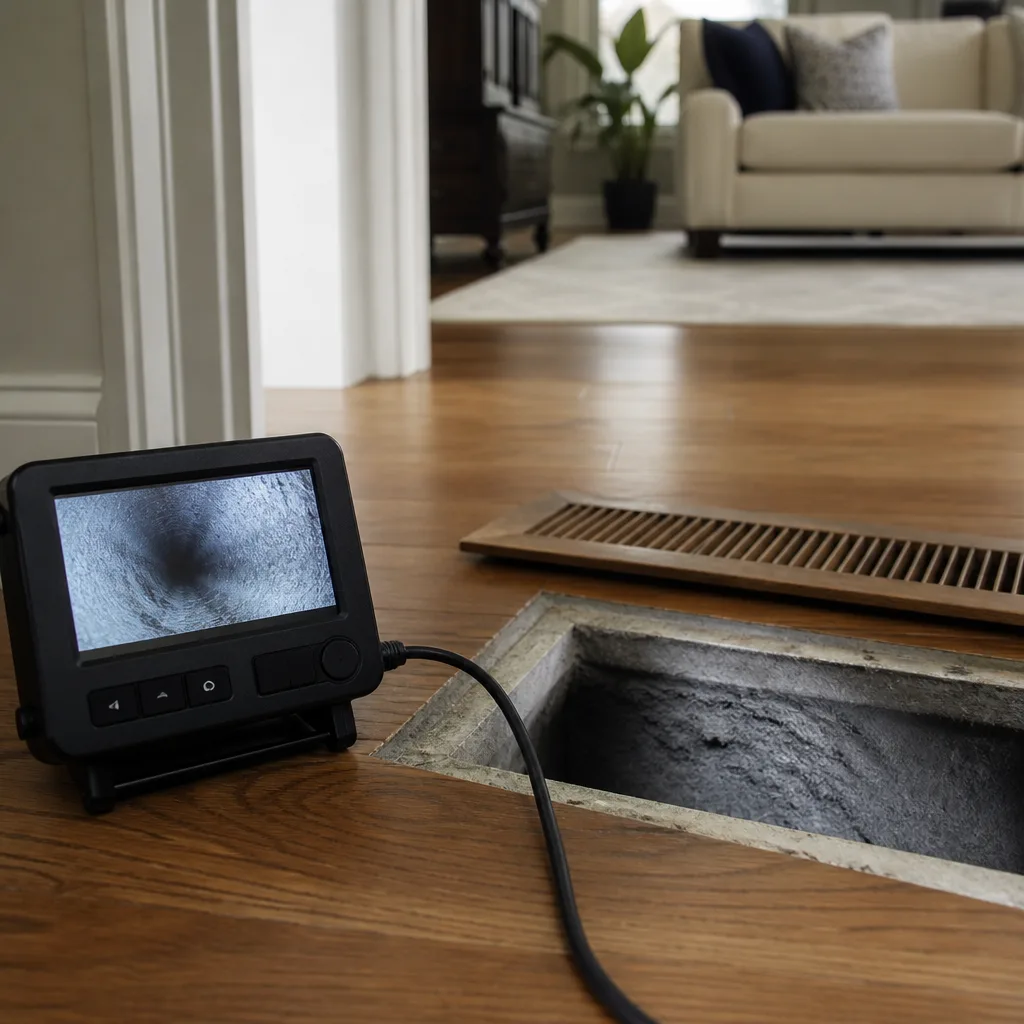 Camera inspection
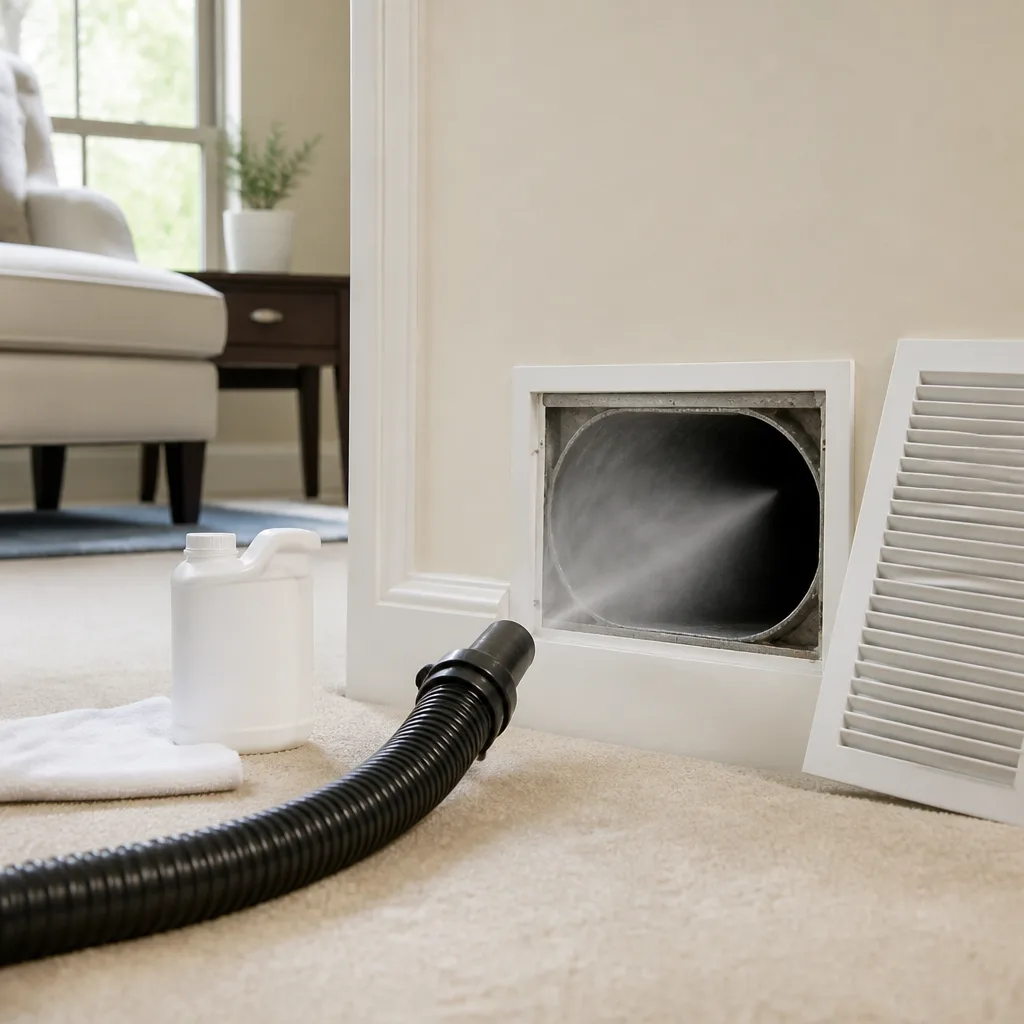 Sanitizing & deodorizing
Whole-system duct and dryer vent check with before-and-after photos - you see exactly what came out of your vents
That "$99 whole-house special" is a bait ad - the real number appears once they are in your hallway, or the "clean" is a shop-vac at the register. We photograph the inside of your ducts before and after instead.
How to Hire an Air Duct Cleaning Contractor in South Jordan: A Step-by-Step Guide
Any person with a cargo van and a shop-vac can legally offer duct cleaning in Utah today. That’s the uncomfortable part of the local market: this trade has almost no licensing barrier to entry, so a business license tells you someone filed paperwork, not that they own the equipment to clean a system properly. Most of what separates a trade professional from an opportunist shows up in five questions asked before anyone steps into your mechanical room. In this guide, we walk through the exact equipment, credential, quote and verification questions to ask a South Jordan duct cleaning contractor, plus the red flags that should end the conversation early.
Quick Answer
To hire a duct cleaning contractor in South Jordan, ask specifically about vacuum airflow capacity, whether the unit is truck-mounted or portable, and how negative pressure is held at the air handler. Confirm the source-control method (contact cleaning with Rotobrush or Nikro, typically) and containment. Then compare quotes line by line, not by headline price. Written scope, before-and-after photos and documented findings should come with the job. Price is agreed before work starts.
Styles & brands we work with
- Whole-home duct cleaning
- Dryer vent cleaning
- Camera inspection
- Sanitizing & deodorizing
Table of Contents
- Why Vetting a Duct Cleaner in South Jordan Is Different
- The Equipment Questions That Actually Matter
- Negative Pressure and Why It’s the Whole Game
- NADCA and the ACR Standard, Explained in Plain Terms
- Red Flags in Duct Cleaning Solicitations
- How to Compare Quotes (Line-Item, Not Headline)
- What a Credible Contractor Leaves Behind
- Common Mistakes to Avoid
- When to Call a Professional
Why Vetting a Duct Cleaner in South Jordan Is Different
Utah does not require a specialized license to clean air ducts. A general business license, a vehicle and a listed phone number are enough to advertise. That means the buyer has to carry the burden of due diligence. It also means the credential that matters most isn’t printed on a wallet card – it’s the answer to “what equipment are you bringing, and what process are you running.”
South Jordan makes this question sharper than many cities. The housing stock here spans homes built in the last few years up in Daybreak to established neighborhoods near the South Jordan Towne Center, plus a lot of two-story builds where the air handler sits in a central mechanical closet. Long flex runs are common in newer construction, and flexible ducting collects dust differently than rigid metal trunk lines. A cleaner who only works the supply registers from the room side never reaches what’s inside those runs.
Our technicians have up to 10 years of experience, and if there’s one thing that experience teaches, it’s that the visible vent is the least interesting part of the system. Real cleaning happens inside the ductwork, at the plenum and at the coil. The contractor you hire should be able to explain all three without a marketing script.
Before you start making calls, it helps to know what proper air duct cleaning looks like so you can recognize it when someone describes it.
The Equipment Questions That Actually Matter
The fastest way to sort a trade professional from an opportunist is to ask what equipment shows up on the day of service. A shop-vac and a brush on a drill is not duct cleaning. Here are the five questions to ask on the phone:
- What CFM rating is your vacuum unit? CFM, or cubic feet per minute, is the airflow capacity of the collection unit. The higher the number, the more air it can pull through a duct run to lift dust and debris into the collection bag. Ask the number, not the brand. If they can’t tell you, that’s your answer.
- Is the unit truck-mounted or portable? Truck-mounted units are generally more powerful and let the collector sit outside the home so exhaust doesn’t vent back into the living space. Portable units can also do excellent work when they’re properly sized and paired with HEPA filtration. Either answer is fine – a hesitant answer is not.
- How do you maintain negative pressure at the air handler? This is the technical core of the job. The vacuum needs to be connected so the entire duct system stays under negative pressure while cleaning happens. Otherwise, dust gets pushed into the house.
- What cleaning tools do you use inside the ducts? Rotobrush and Nikro are the professional-standard contact cleaning systems – they use rotating brush heads and high-velocity air to clean the duct surfaces from the inside. Ask about them by name. If the answer is “we just blow air through,” that’s not cleaning.
- What containment and filtration do you bring? Abatement Technologies air filtration units are the same category of equipment used in mold remediation and restoration work. When a contractor brings that class of equipment, the odds of dust settling on your furniture drop sharply.
These five questions turn a vague conversation into something concrete. If a competitor can answer all five well, that’s not a threat – that’s a good sign for the local market. If they can’t answer three of them, move on.
Negative Pressure and Why It’s the Whole Game
Duct cleaning done badly makes indoor air worse, not better. The reason is simple: the ducts are a closed system, and if you break the seal (a register, a return grille) without maintaining suction inside the system, whatever’s in the ductwork has a path into the living space. Family breathing in airborne dust during a cleaning is the exact opposite of what you paid for.
Negative pressure means the vacuum unit is connected at the air handler or supply trunk and pulls air toward the collection point while the technician works. Every register stays sealed. Every brush stroke inside the run pushes dust toward the vacuum instead of out into your hallway. Here’s what proper negative pressure looks like in practice:
- The collection unit connects at the main trunk or plenum – not at individual room vents.
- Registers are blocked or removed strategically so pressure stays consistent.
- Cleaning tools insert through access points into the duct itself, not through the room-side grille.
- The technician monitors for seal integrity during the job, not just at the start.
Ask any contractor how they handle negative pressure. The answer separates a specialist from a person with a vacuum. South Jordan homes with central air handlers and long runs to upstairs bedrooms need this done right, because the run length increases the dust that accumulates and the distance the vacuum has to pull from.
NADCA and the ACR Standard, Explained in Plain Terms
The National Air Duct Cleaners Association (NADCA) publishes a standard called ACR – Assessment, Cleaning and Restoration of HVAC Systems. It’s the reference document that professional duct cleaners work from. ACR covers the sequence: how to assess a system before cleaning, how to contain dust during the job, how to clean duct internals, coils, plenums and the air handler, and how to verify that cleaning actually happened.
NADCA membership signals that a contractor is at least aware of the standard and is willing to be measured against it. It’s a floor, not a guarantee. Membership dues don’t tell you the CFM of the vacuum the contractor pulls up in. They don’t tell you whether the crew is trained to work inside a flex duct without tearing the liner.
What to actually do with this information:
- Ask if the contractor follows ACR as the process reference. If yes, ask for a short walk-through of the sequence – assessment, containment, cleaning, verification.
- Ask if they inspect the coil and the air handler as part of the job. ACR scope includes the whole air pathway, not just duct runs.
- Ask if their findings get documented in writing. NADCA guidance calls for post-cleaning verification, and that means a record.
- Don’t treat any single credential as the whole answer. The equipment questions plus the ACR sequence plus the verification deliverables together are what you’re evaluating.
In a market with no licensing requirement for the trade itself, this is how the buyer substitutes. You’re essentially asking the contractor to hold themselves to a published standard, then checking whether the job matches what they said on the phone.
Red Flags in Duct Cleaning Solicitations
Duct cleaning is one of those services where the marketing pitches have gotten more aggressive than the price can plausibly support. Here’s what to look for and why each of these should end the conversation.
Door-to-door $49 specials
A genuinely low price is not automatically a scam, but a $49 flat-price offer for a whole-home duct cleaning plus the equipment needed to do it properly does not compute. When a van pulls up in your South Jordan neighborhood and offers a cut-rate cleaning on the spot, ask what the $49 actually covers. In practice, these pitches often cover “one vent plus supplies” and the invoice grows once the crew is inside. Agree on a flat price for the whole system before work starts, in writing.
Blower-door upsells mid-job
A blower door is a diagnostic tool that pressurizes or depressurizes a home to measure leakage. It’s a legitimate piece of equipment used in energy audits and air sealing. It’s also a recent upsell angle for duct cleaners who want to add a second service fee after the cleaning quote. If a contractor arrives for a duct cleaning and mid-job announces that you need a blower door test for another fee, ask why that wasn’t identified during the original assessment. Sometimes there’s a real reason. Often there isn’t.
Vague “sanitizer” add-ons
Sanitizing is a legitimate service when it’s done with a specific product that has documented safety data. Ask for the safety data sheet, or MSDS, for any product introduced into your ductwork. If the contractor can’t produce one, or if the product name is hidden behind “our proprietary blend,” refuse it. Indoor air quality work is not the place for unlabeled chemicals.
Other warning signs
- No written scope before work begins.
- No before-and-after photos in the deliverable.
- Pressure to sign up on the spot or “lock in” pricing today.
- Blanket claims about health outcomes that nobody can substantiate.
- No specific answer to the CFM question.
None of these are reasons to argue. They’re reasons to thank the person for their time and make a different call.
How to Compare Quotes (Line-Item, Not Headline)
Two quotes that both say “duct cleaning: $X” aren’t comparable. One may cover supply runs only. One may include the air handler, coil and one return trunk. One may hand clean with contact tools, one may fog the ducts with a product and call it a day. The only way to compare is to require line-item scope from each contractor and look at what’s actually covered.
What a line-item quote should show
- Supply ductwork – cleaned with contact tools, negative pressure maintained, access points sealed after.
- Return ductwork – cleaned with the same method, all return grilles treated.
- Air handler – cabinet interior cleaned, drain pan cleared, blower inspected.
- Evaporator coil – cleaned or at minimum inspected with findings documented.
- Plenum connections – the junctions between the ducts and the air handler, which is where debris accumulates.
- Registers and grilles – removed, cleaned, reinstalled.
A quote that covers the first two but not the air handler or coil leaves the dustiest part of the system untouched. The air handler is where air changes direction; debris drops out of suspension there. On a typical South Jordan home, the mechanical closet is compact, and the coil sits close to the plenum – easy to skip if the quote allows it.
Flat-rate vs. line-item
Neither format is inherently wrong, but they tell you different things. A flat-rate quote is honest when it covers the full air pathway and the scope is documented. A line-item quote lets you compare one contractor’s coverage against another’s and confirm nothing is hidden. Ask for a flat per-system price with a written line-item scope attached, and agree on that number before work starts. No per-vent pricing, no surprise add-ons.
If you’re also wondering about the rest of the system, our HVAC cleaning service covers coil, plenum and air handler in the same visit, so you’re not coordinating two different contractors for work that overlaps.
What a Credible Contractor Leaves Behind
The job isn’t done when the van pulls away. A professional leaves a paper trail, and that trail is your verification. Here’s what to expect at the end of a proper cleaning.
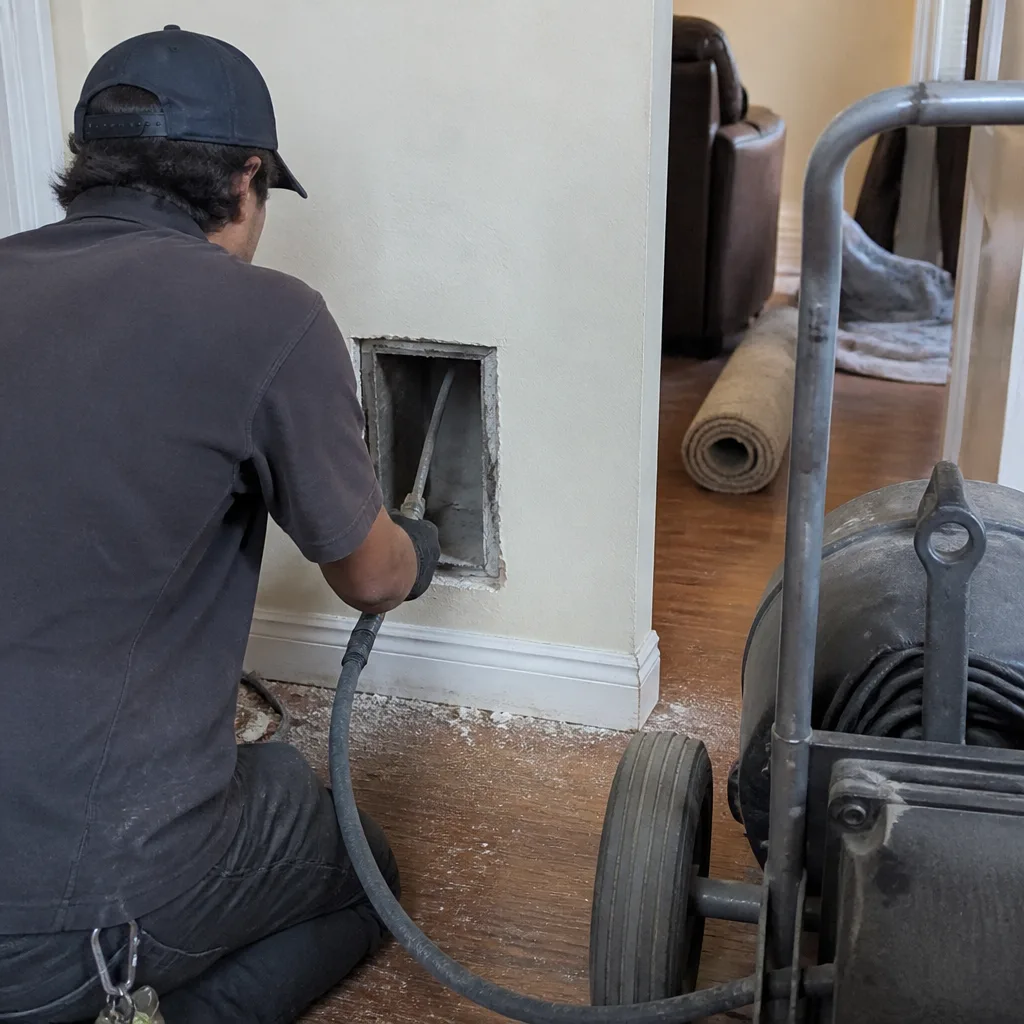
- Before-and-after photos of your ductwork. These should show the inside of runs, not just the vent faces. If the contractor cleans from the room side only, the “after” photos will look identical to the “before.”
- A written scope confirmation. A quick document confirming what was cleaned – supply, return, coil, air handler – signed by the technician who did the work.
- Documented findings. Loose joints, disconnected flex runs, mold-like growth, pest intrusion, damaged seals. Whatever the crew saw inside, it should be written down so you can act on it.
- Access point confirmation. Every access hole cut into the ductwork sealed back properly. Duct repair and sealing should be documented when it’s part of the job.
- Sanitizer MSDS if any sanitizing product was applied.
If the contractor can’t produce these, the technical claim of “we cleaned it” can’t be verified. That’s the whole point of the deliverable. This is also why we bring Guardsman surface protection into a home before the equipment comes in – the job should leave the house cleaner than before, not just the ductwork.
Once you have a credible contractor on file, the follow-up question becomes how often to schedule. Our guide to air duct cleaning walks through that timing, plus what differentiates a scheduled cleaning from a one-off.
Common Mistakes to Avoid
- Hiring on price alone. The lowest bid on a flyer is almost always a per-vent teaser that grows once the crew is inside. Agree on a flat price for the whole system in writing before scheduling.
- Not asking about CFM. A contractor who can’t tell you the airflow capacity of their vacuum hasn’t been asked before, which is a sign they don’t get asked by anyone who cares about the outcome.
- Accepting a vent-only quote. Cleaning what’s visible at the register without cleaning the supply runs and air handler is a spray-and-wipe job, not duct cleaning. Ask exactly what’s inside the scope.
- Skipping the coil. South Jordan’s dry air kicks up dust that settles on the coil assembly, and a quote that ignores the coil is missing the system’s dirtiest surface. Ask for a coil inspection with documented findings.
- Letting a “dryer vent cleaning” get bundled without scope. Dryer vent service is a separate job with a separate risk profile. It should be quoted as its own line item, not folded into a duct cleaning package.
- Accepting a sanitizer without an MSDS. Any product going into your ductwork should have a documented safety data sheet on file with the contractor. No sheet, no product.
- Not keeping the photos. Store the before-and-after images with your home records. They’re useful if you sell, and they’re the only evidence you have if a problem shows up months later.
When to Call a Professional
Not every home needs duct cleaning on a schedule. Some situations call for a professional visit more clearly than others. Visible dust blowing from registers when the system kicks on is a strong sign, especially if the dust plume keeps coming after a filter change. Renovation projects – drywall work, flooring replacement, kitchen remodels – leave fine particulate in the system that a standard filter won’t catch, and a professional cleaning makes sense once the work is done. A recent home purchase is another common trigger, since prior owners’ maintenance history is often unknown. Allergy symptoms that spike inside the house but ease outdoors point to a source that’s worth investigating inside the HVAC system. And any time the system has run for years without a cleaning, a documented inspection is worth having on record.
South Jordan Air Duct Cleaning Pros offers free estimates in South Jordan – call (844) 443-4758.
See the difference
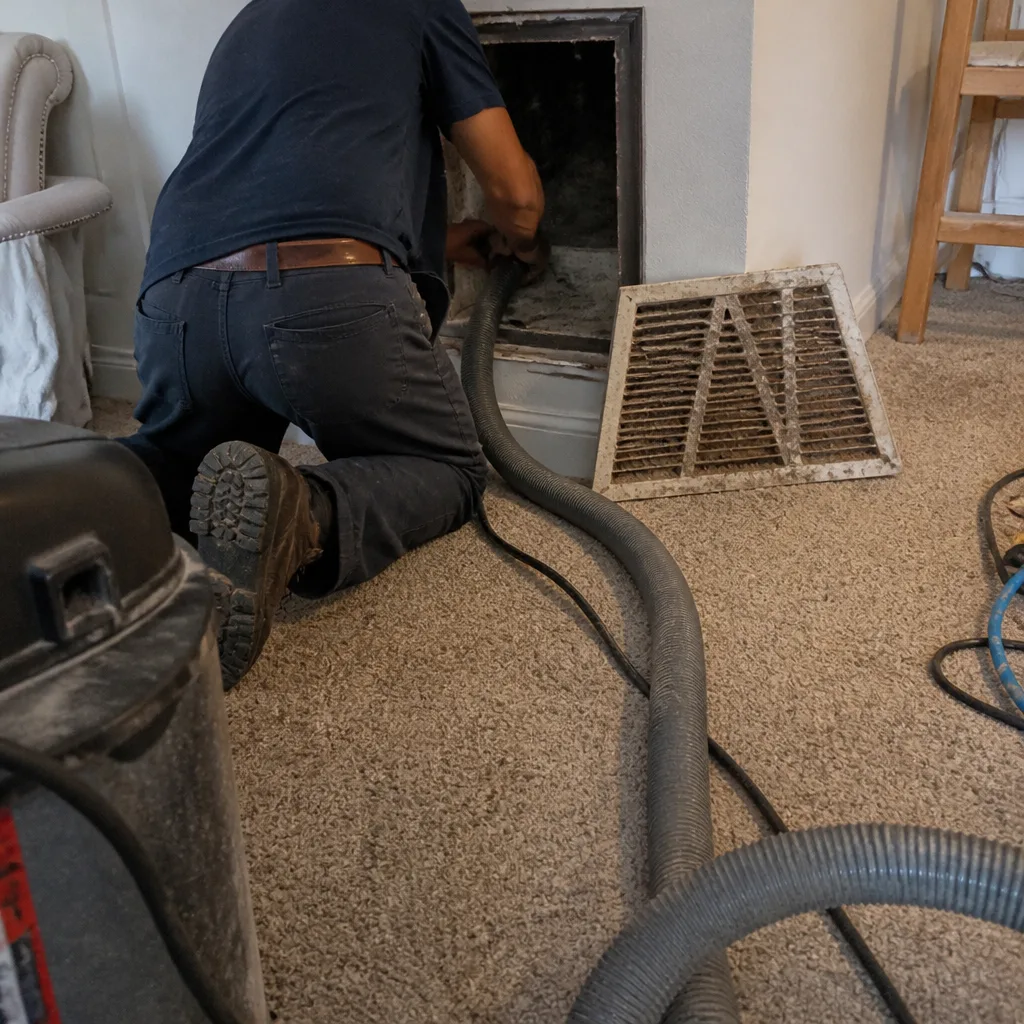 Before
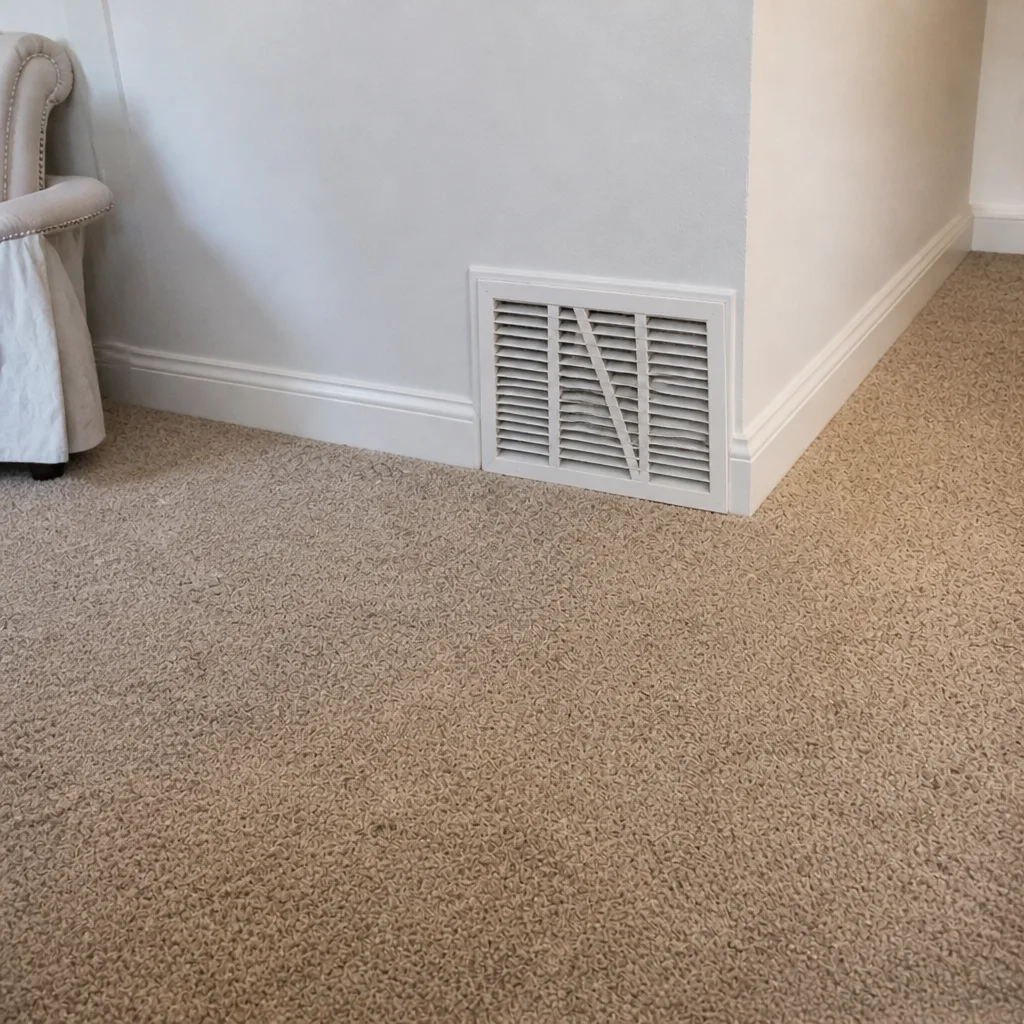 After
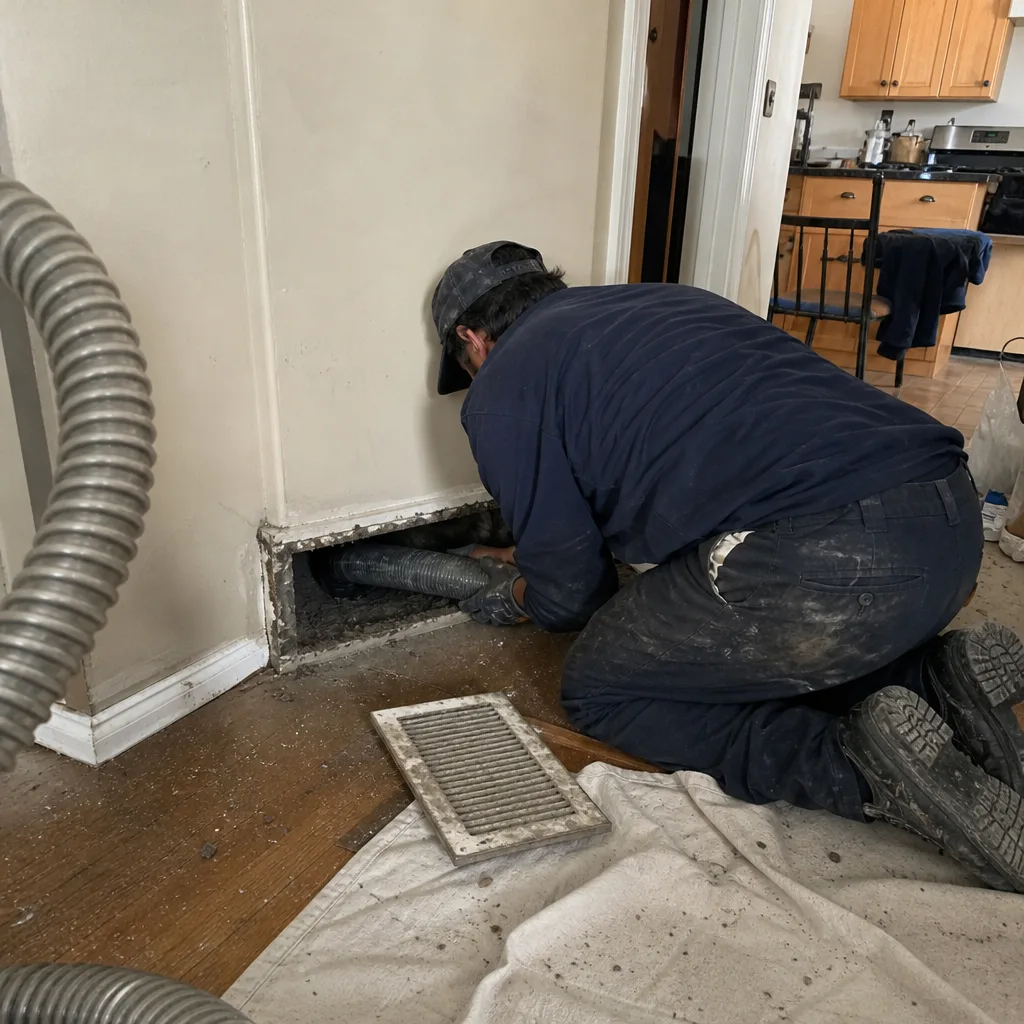 Before
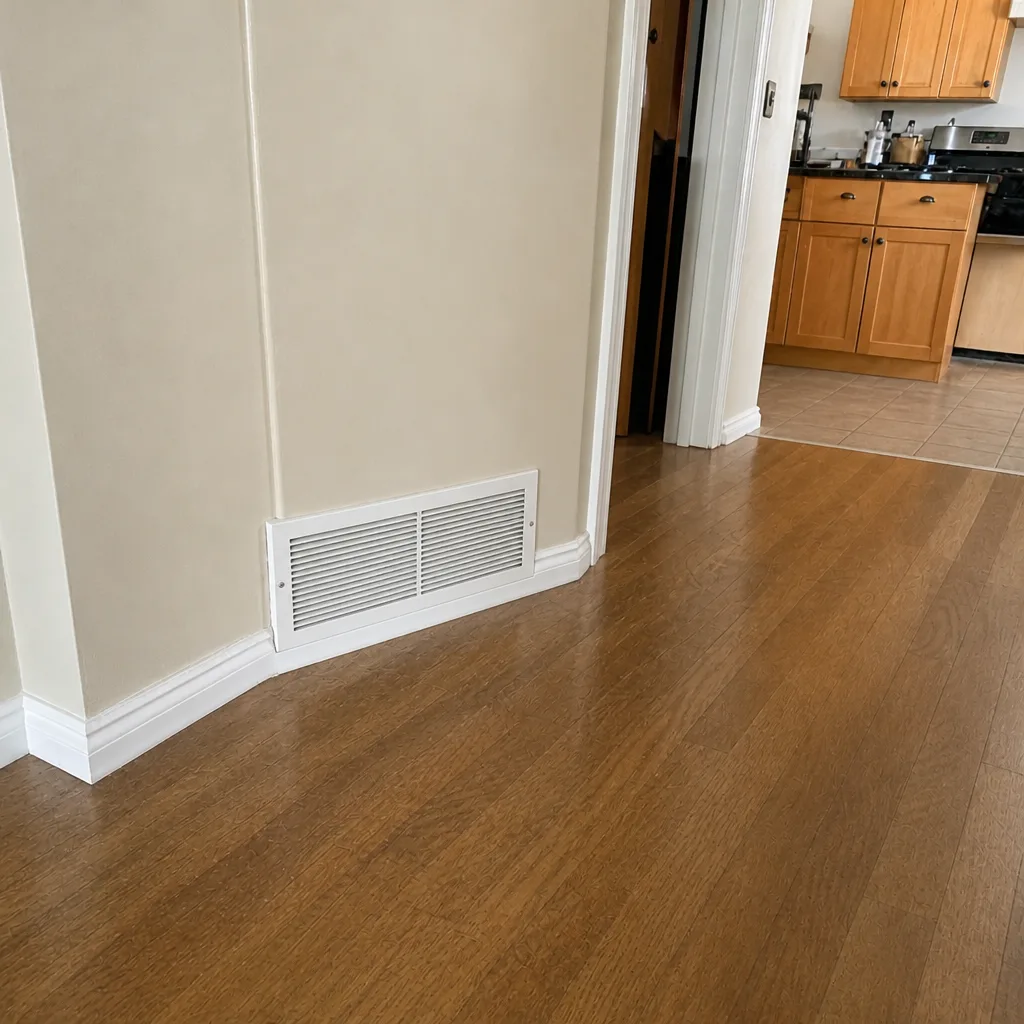 After
 Before
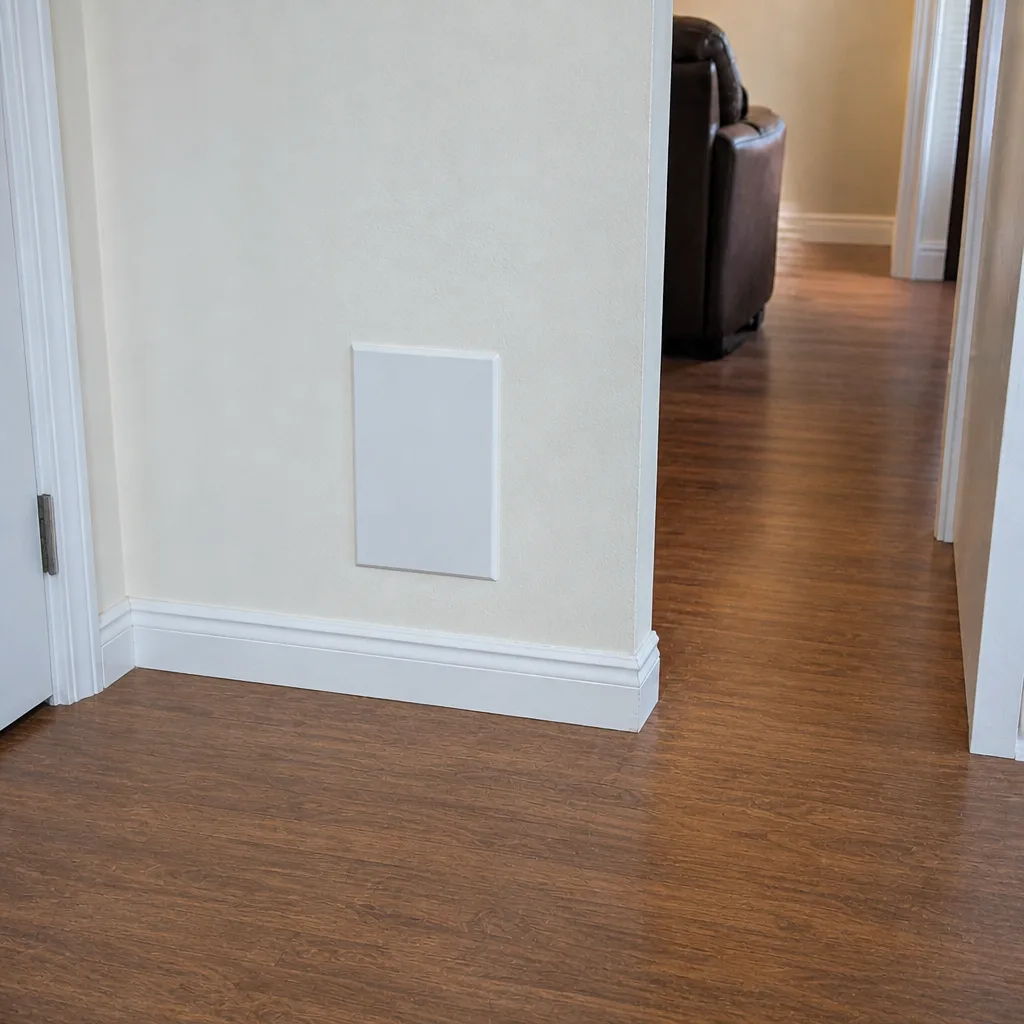 After
Frequently Asked Questions
Duct cleaning in South Jordan is priced per system based on the number of runs, whether the coil and air handler are included and how accessible the ductwork is – a written estimate sets the final number. Call (844) 443-4758 for an exact quote – estimates are free.
Cheap duct cleaning quotes are usually per-vent teasers or scope-limited quotes that exclude the air handler, coil and return trunks – which is where most of the debris actually sits. When the crew is on site, the price climbs. Agree on a flat per-system price with written scope before work starts. Call (844) 443-4758 for a specific estimate on your home.
A credible contractor leaves before-and-after photos of the inside of the ducts, a written scope confirmation and documented findings. If the contractor can’t produce those, the cleaning can’t be verified. Call (844) 443-4758 to schedule a documented cleaning.
Most homes in South Jordan need it every three to five years, but renovation work, pets, a recent move or visible dust at registers can bring that forward. There’s no universal rule – the system tells you the timing. Call (844) 443-4758 for an assessment.
NADCA membership signals the contractor follows the ACR standard as a process reference, but it doesn’t guarantee equipment quality or outcome. Ask about CFM, vacuum configuration, containment and post-cleaning verification on top of the credential. Call (844) 443-4758 to talk through what a proper job looks like.
Duct cleaning addresses the duct runs and registers; HVAC cleaning addresses the coil, plenum and air handler. Most homes with visible dust or a recent renovation benefit from both in the same visit. Call (844) 443-4758 for a combined estimate.
For a complete look at what our South Jordan Air Duct Cleaning Pros service covers, and to see how the full air pathway gets handled by one specialist, that’s the starting point.
The Bottom Line
The duct cleaning market in South Jordan rewards five minutes of asking the right questions. Ask about CFM, vacuum configuration, negative pressure, contact cleaning tools and containment. Confirm ACR is the process reference. Compare quotes line by line, not by headline price. Insist on before-and-after photos, a written scope and documented findings. Refuse door-to-door specials, mid-job upsells and unlabeled sanitizers. The contractor worth hiring will answer all of it without flinching.
Call (844) 443-4758 for a free estimate. We answer 24/7. Fast dispatch from 7am to 7pm, Sunday through Friday.
Written by the team at South Jordan Air Duct Cleaning Pros.