
Last updated November 25, 2026
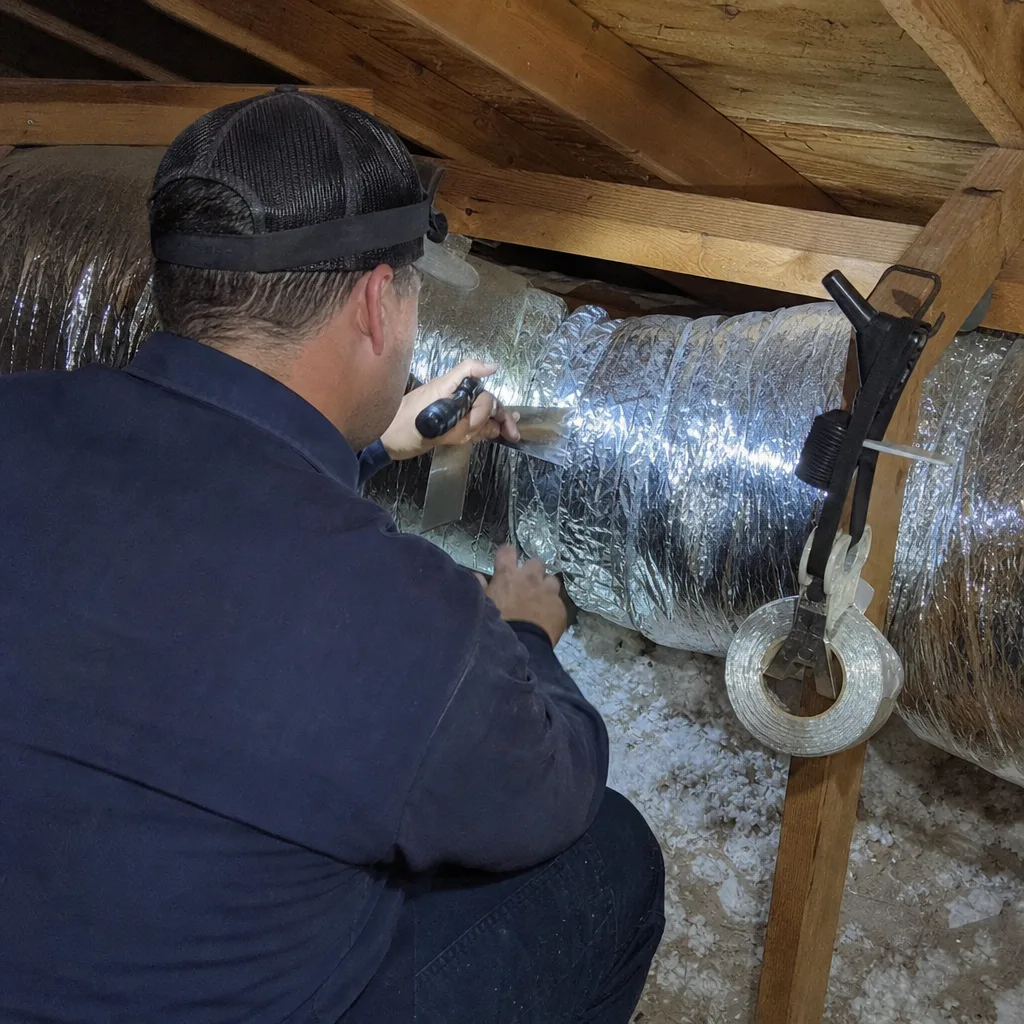
 Whole-home duct cleaning
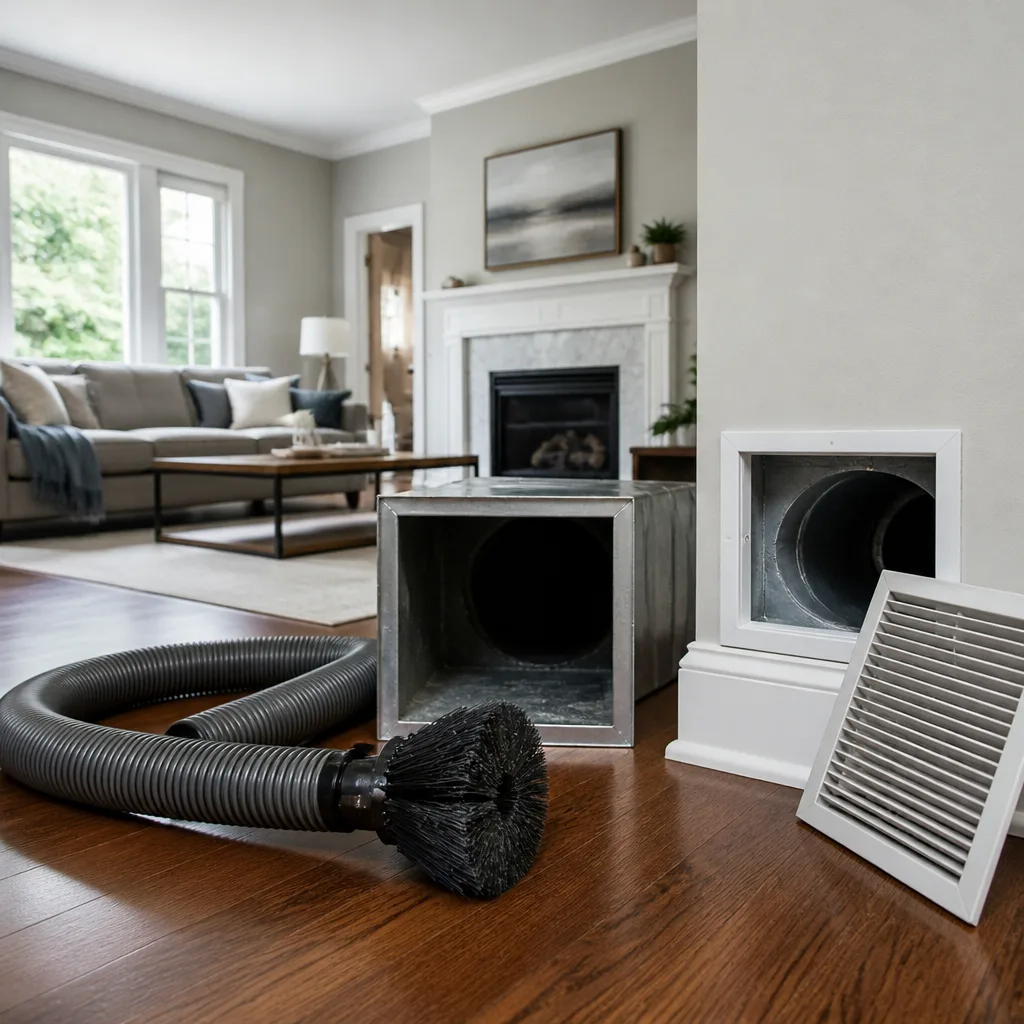
 Dryer vent cleaning
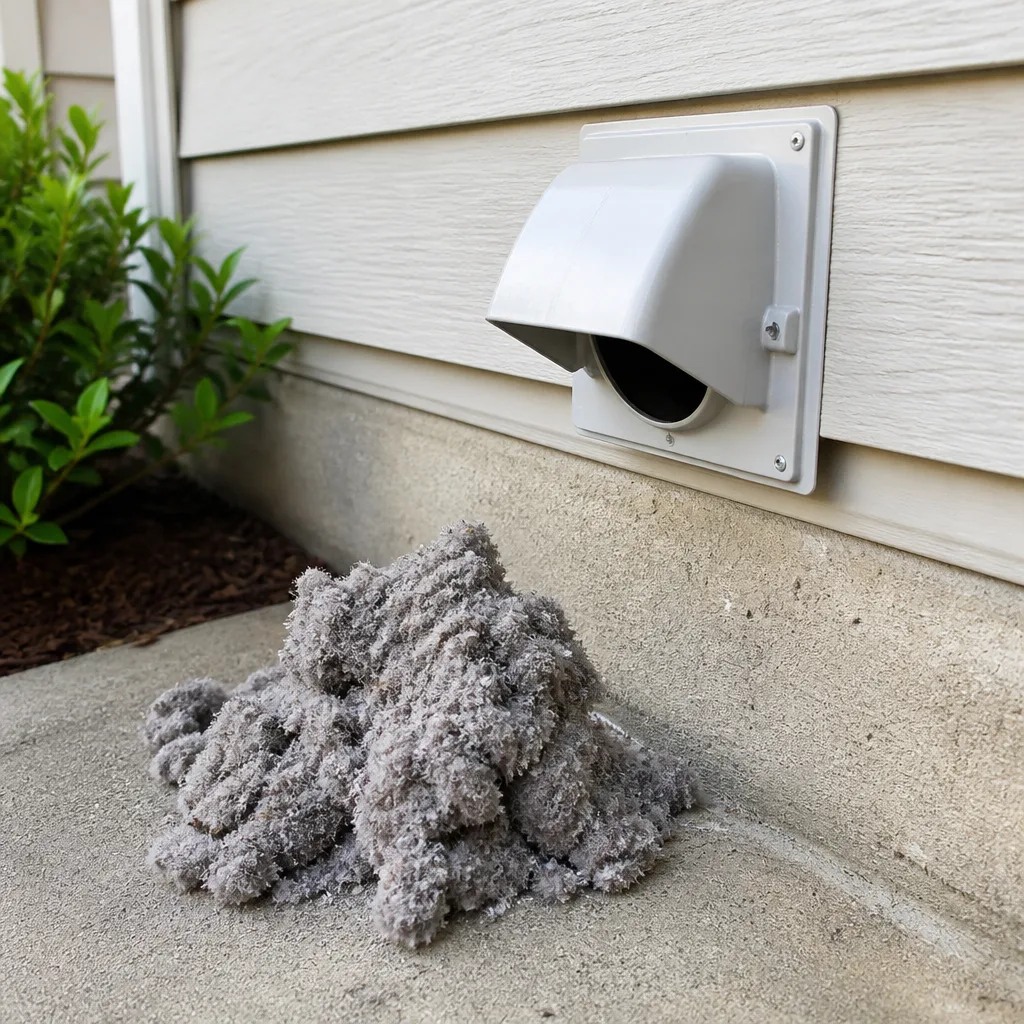
 Camera inspection
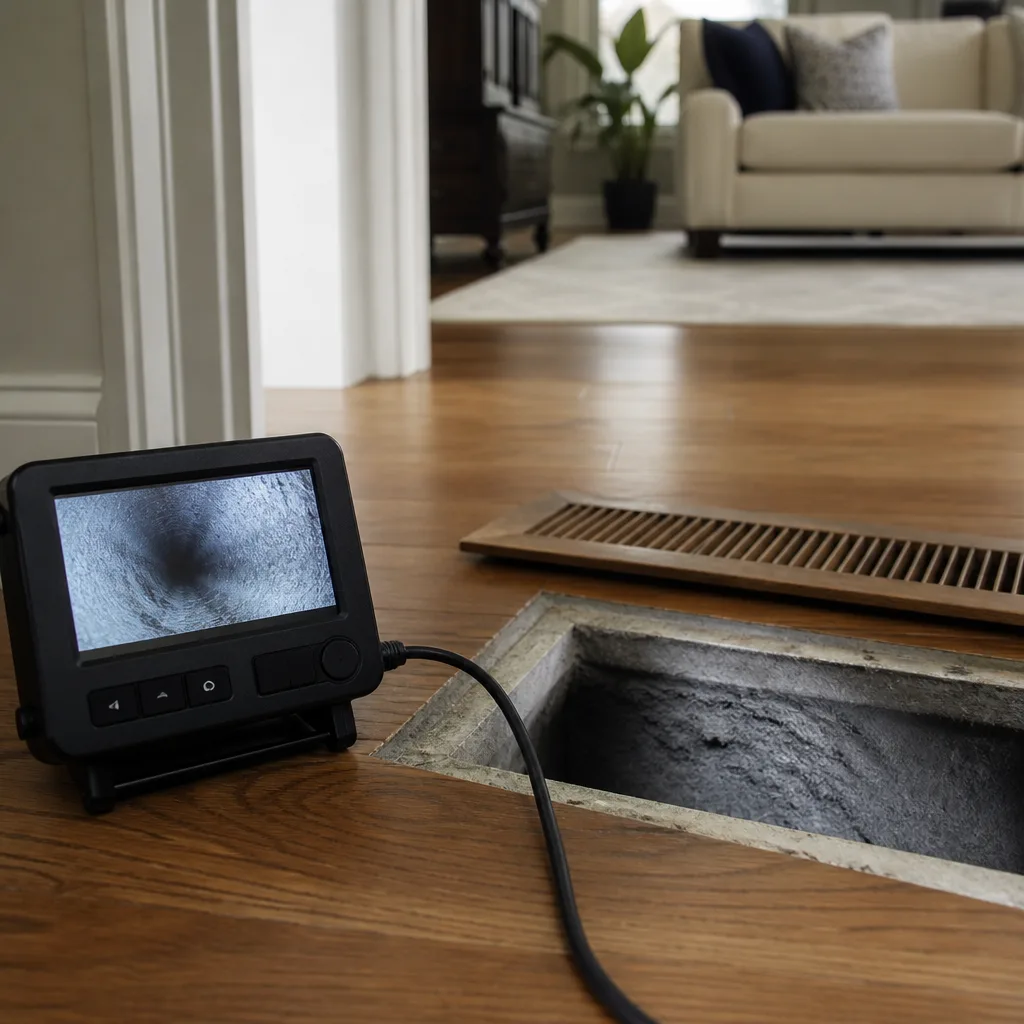
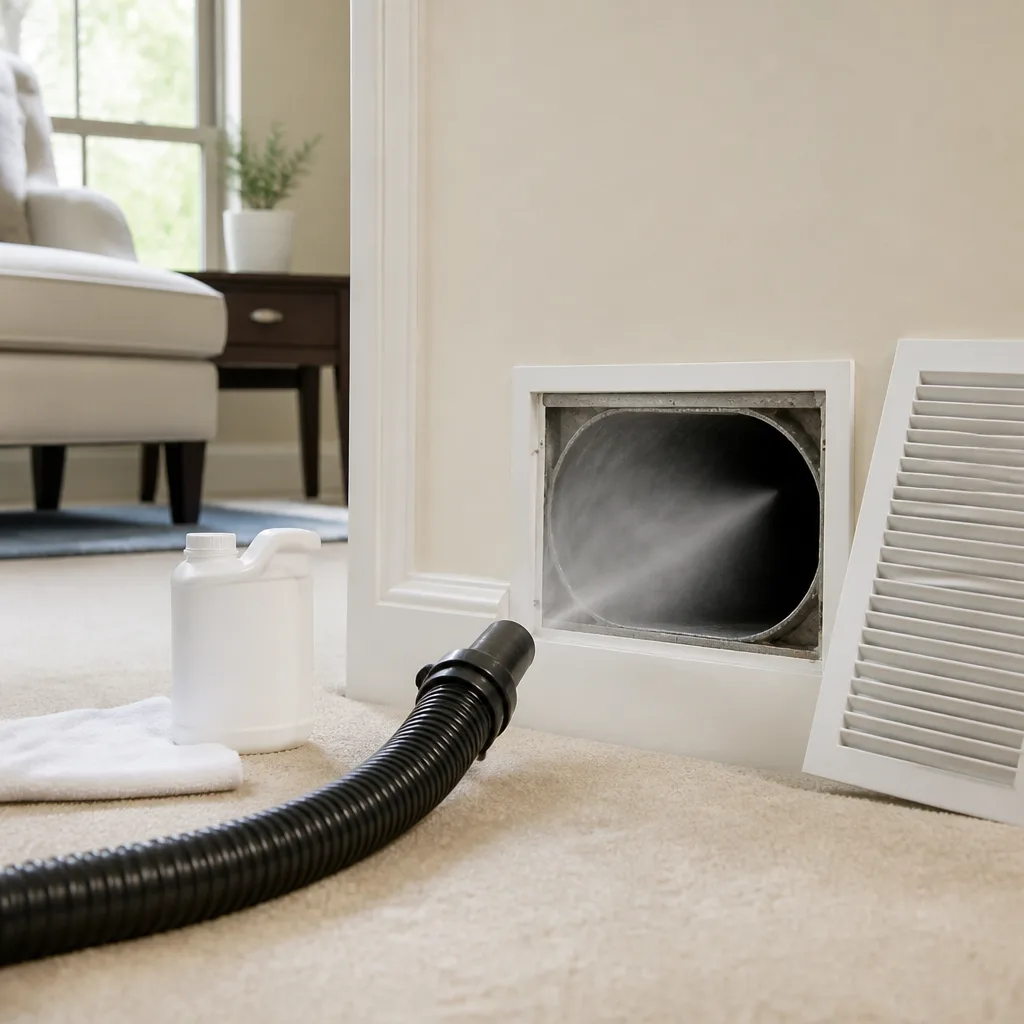 Sanitizing & deodorizing
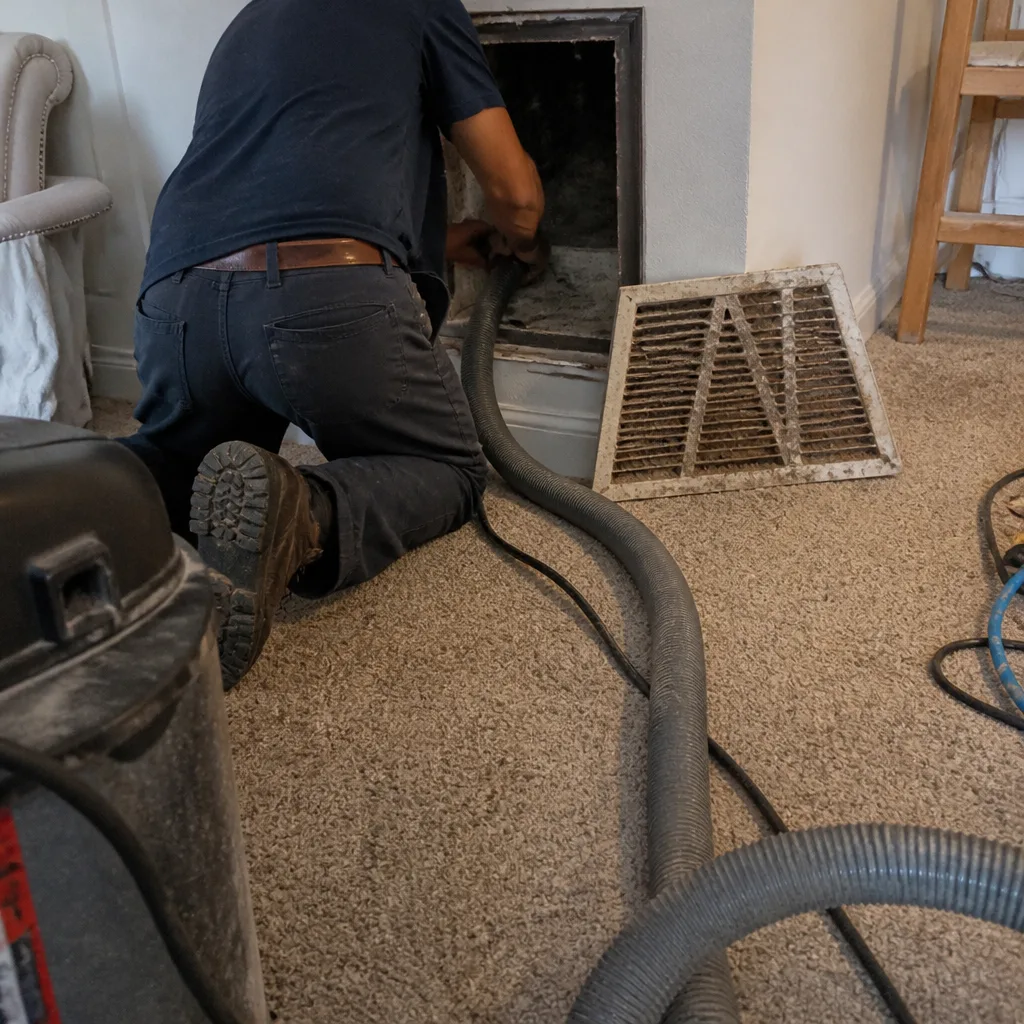
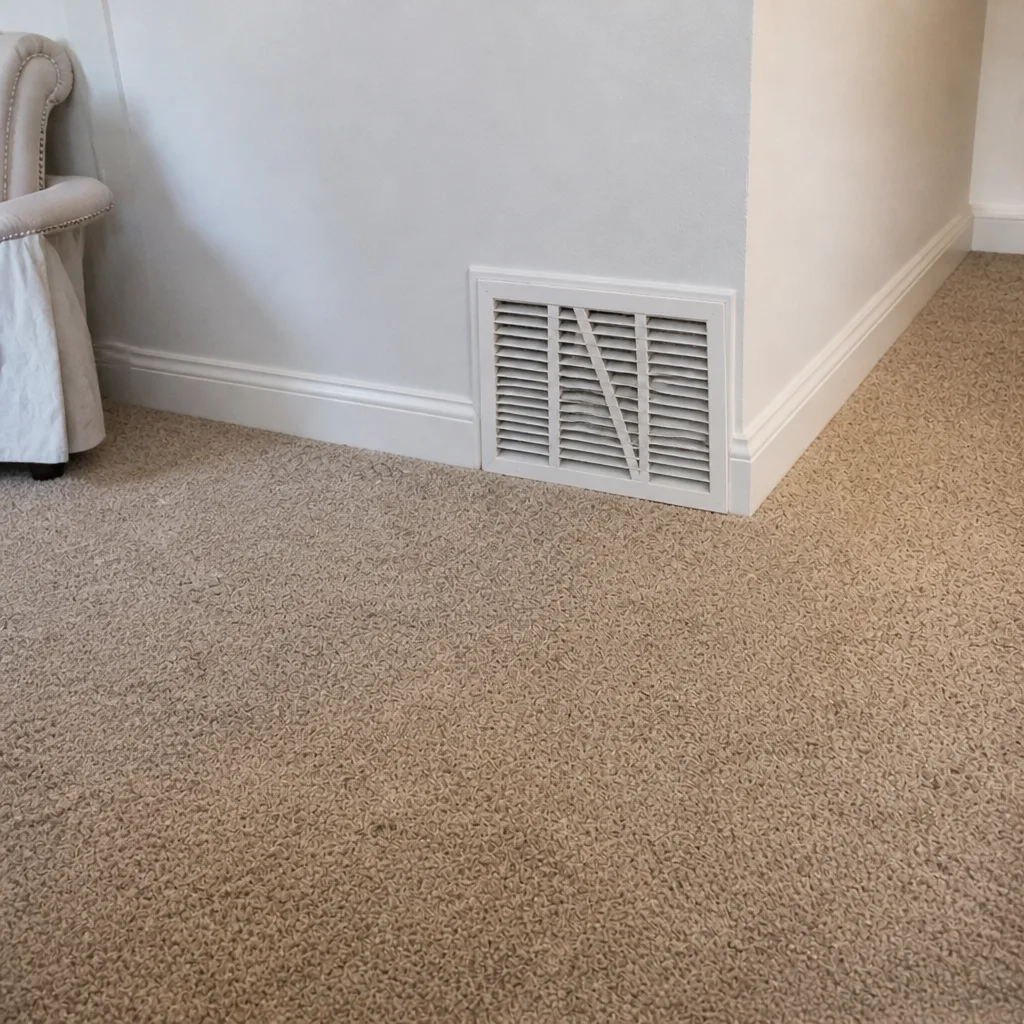
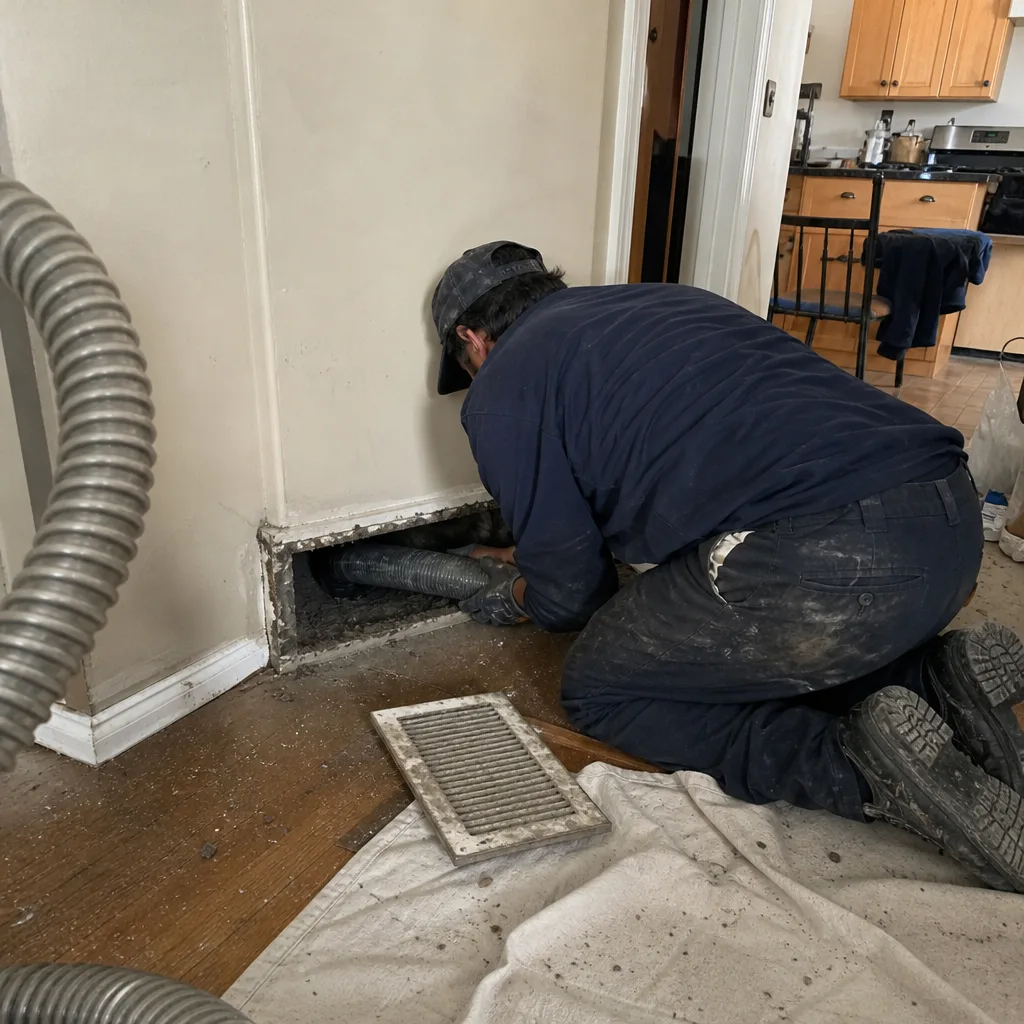
Whole-system duct and dryer vent check with before-and-after photos - you see exactly what came out of your vents
That "$99 whole-house special" is a bait ad - the real number appears once they are in your hallway, or the "clean" is a shop-vac at the register. We photograph the inside of your ducts before and after instead.
DIY vs Professional Air Duct Cleaning: The South Jordan Homeowner’s Decision Guide
A $40 dryer vent brush and a shop vac will make your registers look cleaner. What they won’t touch is the main supply trunk running under your floor joists, where the actual debris load sits after years of operation. That’s the whole story in one sentence: DIY duct cleaning works on the part you can see and reach, and the contamination that matters lives in the part you can’t. We’re not here to tell you a shop vac is useless or dangerous. We’re here to draw an honest map of what a homeowner can physically clean versus what needs equipment access through the system itself. By the end of this guide, you’ll know exactly where that line falls in a South Jordan home, when DIY is a reasonable interim measure, when it causes damage, and when calling a specialist is the cheaper decision.
Quick Answer
DIY air duct cleaning is limited to roughly the first 18 inches of visible duct past each register, plus the register grill and a bit of nearby flex or sheet metal. Everything beyond that – trunk lines, plenum, the air handler cabinet, and the runs buried in your walls or under your floor – requires professional equipment that creates negative pressure through the whole system while a mechanical brush or whip walks the interior. A homeowner can meaningfully maintain a recently cleaned, low-dust system between professional visits, but cannot clean the parts of the ductwork where contaminants actually accumulate.
Styles & brands we work with
- Whole-home duct cleaning
- Dryer vent cleaning
- Camera inspection
- Sanitizing & deodorizing
Table of Contents
- What DIY air duct cleaning can actually reach
- Why a wet-dry vacuum creates negative pressure at the register, not the duct run
- The tools a serious DIYer would need, and the cost threshold
- When DIY is a reasonable interim measure between professional cleanings
- When a DIY attempt causes real damage
- What makes South Jordan homes worth thinking about differently
- What a professional cleaning actually involves
- How to decide for your own home
What DIY air duct cleaning can actually reach
Stand at a supply register in your living room with a flashlight. With the grill off, you can see a length of duct – sometimes flex, sometimes rigid sheet metal, occasionally a booted transition – and then it either turns, narrows into a branch, or disappears into the wall or floor assembly. That visible stretch is the ceiling of DIY duct cleaning. It’s about 18 inches in most South Jordan homes, and it’s the same stretch of duct that sees the most air velocity and often the least accumulation as a result.
Here’s a cleaner way to think about it. Your duct system has four zones, and DIY reaches one of them:
- Register grills and the boot – reachable DIY with a vacuum and a crevice tool. Visible dust and hair collect here first.
- The first 18 inches of branch duct – partially reachable with a flexible brush on a drill extension. This is where most homeowner furniture dust actually came from.
- Trunk lines and the plenum – the big supply and return runs that move air throughout the house. Not reachable. These are typically the length of a hallway and carry the bulk of airborne debris.
- The air handler cabinet and the return-side ductwork – not reachable without opening the system, and not something we’d suggest a homeowner opens themselves.
The part that feels satisfying to clean – the grill and the first few inches – is the surface layer. The trunk line under your floor joists is where paper dust from construction, sheetrock dust from a renovation, and the fine particle load from a decade of furnace cycles actually settle. A shop vac can’t create enough airflow to move material out of a trunk run; it can only lift what’s already loose right at the opening. For a deeper look at how a full-system cleaning handles this differently, see our guide on air duct cleaning.
Why a wet-dry vacuum creates negative pressure at the register, not the duct run
This is the technical heart of why DIY tops out early, and it’s the point most articles skip. A consumer wet-dry vacuum creates negative pressure by pulling air through a hose with a fixed suction source. When you place that hose at a register, you’re pulling air from a small opening at the end of a long duct. The pressure drops steeply with distance. At the register, you might see measurable suction. Six feet down the duct, it’s close to nothing. Twenty feet down a trunk line, it’s zero.
Professional duct cleaning reverses the physics. Equipment like a Rotobrush or Nikro system works inside the duct – a mechanical brush or whip walks the interior wall, agitating debris along the entire run – while a separate high-volume negative pressure source (an industrial vacuum connected to the main trunk or through a dedicated port) pulls the loosened material out of the system rather than into the room. On jobs with heavier contamination, containment and HEPA filtration from Abatement Technologies keeps the work zone isolated. That’s the same category of equipment used in mold and remediation work, which tells you something about the volume of airborne material a proper cleaning can release.
One more piece: consumer vacuums exhaust through a filter that’s designed for wet pickup, not fine particulate. Running a shop vac at a register for an hour can actually redistribute fine dust back into the room’s air because the exhaust filter doesn’t capture the small stuff. A professional system exhausts through HEPA-rated filtration so the material leaving your duct doesn’t end up on your furniture.
The tools a serious DIYer would need, and the cost threshold
If you want to go beyond surface cleaning, here’s the honest shopping list. We’re not recommending you buy these – we’re showing why the math usually points back to professional service.
- A rotary duct brush on a flexible drill extension. Good ones run $60 to $120. They clean a single branch run and won’t reach a trunk line.
- A HEPA-rated wet-dry vacuum – not the standard shop vac, but one with a HEPA cartridge. $250 to $450.
- Duct access tools – a hole saw, register removal tools, and the sheet metal to close what you open. $80 to $150.
- Containment plastic and tape to keep dust out of living space while you work. $30 to $60.
- Personal respiratory protection – a fitted N95 or P100 mask. $20 to $50.
Add it up and a serious DIY setup runs several hundred dollars before you’ve bought a single cleaning solution, and you still can’t reach the trunk lines or the plenum. In our experience, that’s the point where the math stops making sense. A full-system professional cleaning is a one-time cost that includes the equipment access, containment, and disposal. If your ducts haven’t been cleaned in years, the DIY kit costs about the same and does a fraction of the work. Our HVAC cleaning service covers the air handler and coil side that no homeowner can reach with consumer tools.
When DIY is a reasonable interim measure between professional cleanings
There’s a real, legitimate DIY window, and we’d rather tell you it exists than pretend it doesn’t. DIY air duct care between professional visits is reasonable when three things are true:
- Your system was professionally cleaned recently – within the last two to three years – and hasn’t been through a renovation, a furnace replacement, or a moisture event since.
- Your home is low-dust by nature – no pets, no forced-air heating in the kitchen zone, no woodworking or hobby dust, and filters changed on schedule.
- You’re maintaining, not remediating. The goal is keeping registers clean and vacuuming the visible boot, not trying to fix a problem.
If that sounds like your South Jordan home, a simple quarterly routine makes sense: remove each register grill, vacuum the grill both sides with a brush attachment, reach a crevice tool as far as it will go into the boot, and wipe down the frame. Change your filter per the manufacturer’s schedule. That’s it. You’re not cleaning a duct system; you’re keeping the access points tidy between scheduled maintenance.
Seasons matter here. A South Jordan spring is dusty and wind-driven, and pollen load comes in fast. Running your system on low fan for a few hours after a windy stretch, with a fresh filter, pulls a lot of that fine material into the filter rather than letting it settle in the return trunk. That’s a maintenance habit worth keeping regardless of what else you do.
When a DIY attempt causes real damage
We’ve seen every one of these, and every one of them is a repair bill that costs more than a professional cleaning would have. If you’re going to try DIY anyway, know where the potholes are:
- Punctured flex duct. Flex duct is a plastic inner liner inside a metal helix inside an insulated jacket. A rotary brush or an aggressive shop vac nozzle at the wrong angle tears the liner, and once it’s torn the run leaks conditioned air into the attic or joist cavity. You won’t hear it, but your energy bill will.
- Disturbed insulated duct liner. Rigid ductwork in many South Jordan homes is lined on the inside with acoustic and thermal insulation. A brush that catches and shreds that liner sends fiberglass fibers downstream into the living space. That’s the opposite of clean air.
- Dislodged dampers. Volume dampers are the metal blades inside ductwork that balance airflow to different rooms. A brush snagging a damper linkage leaves it stuck open or closed, and suddenly the back bedroom is cold. Rebalancing a system is a professional job.
- Opened access holes you can’t close. If you cut into a plenum or trunk to reach deeper and can’t seal it properly, you’ve created a permanent leak. Sheet metal sealing is not a duct-tape job, no matter what the internet says.
- Wet-vac water in the duct. If you vacuum a damp duct with a wet-dry vac and don’t dry it fully, you’ve introduced moisture to an environment that will grow biological material. That’s a remediation problem, not a cleaning problem.
What makes South Jordan homes worth thinking about differently
South Jordan sits in the Salt Lake Valley, and the local climate has some specific effects on how duct systems behave here. Spring dust from valley windstorms is fine and abrasive, and it gets pulled into return ducts. Winter inversions trap particulate close to the ground for days at a time, and if your home is running the furnace hard, that material cycles through the filter – which is why filter discipline matters even more than it does in a wetter climate. Summer is dry and hot, and the cooling coil in your air handler sees a lot of condensation when it’s working hard, which is why the coil and drain pan get attention during a full cleaning.
South Jordan homes built in the last 30 years mostly use flex duct in the branches and rigid trunk lines, with the air handler typically in the garage or utility closet. Newer builds in the Daybreak and SoDa Row areas use tighter envelopes and more complex duct layouts to serve multiple zones, which means there’s more ductwork behind walls and less of it is accessible from a register. Older homes nearer the Jordan River corridor can have legacy sheet metal ductwork with insulation liner – the kind where a DIY brush does the most damage.
None of this makes South Jordan unusual in a way that changes the DIY versus professional decision, but it does mean the specific risks of a DIY attempt are a bit higher here than in a mild, humid climate. Flex duct puncture, liner shred, and damper dislodging are all more consequential in a system that’s already running hard against inversion-season particulate. If you’re managing a rental property or a light-commercial space and want a baseline assessment before deciding, our South Jordan Air Duct Cleaning Pros page is the place to start.
What a professional cleaning actually involves
It helps to know exactly what you’re comparing DIY against. A proper full-system cleaning follows a sequence, and the sequence is why the equipment matters:
- Inspection and access. Registers are removed, and access points are opened at the plenum or trunk as needed to reach the full duct run.
- Containment. Negative pressure and HEPA filtration pull air out of the work zone and trap it before it reaches the living space. This is where Abatement Technologies filtration earn their keep on heavier jobs.
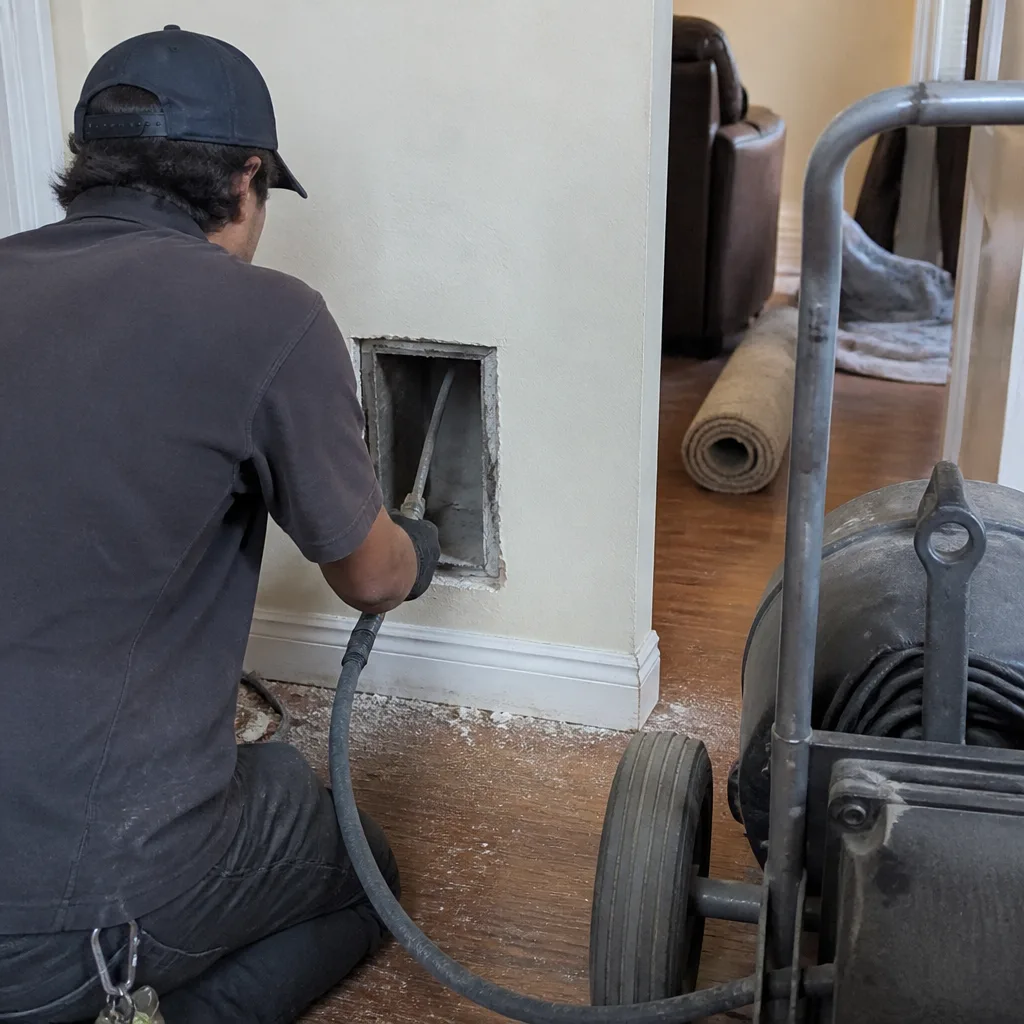
- Mechanical agitation through the duct. Rotary brushes and air whips walk the interior wall of every branch and trunk. Rotobrush and Nikro systems are contact-based – they physically scrub the duct wall rather than just pulling air through it.
- Source vacuuming. A high-volume negative pressure unit pulls the loosened material out of the system.
- Air handler and coil cleaning. The blower, evaporator coil, and drain pan get cleaned as part of the job – not just the ductwork, because the coil and pan are where biological growth usually starts.
- Sanitizing where warranted. If inspection finds biological growth or odor, an air-quality sanitizing treatment addresses it at the source rather than masking it.
- Repair and sealing where needed. Torn flex, leaking joints, and disconnected runs get sealed before the system is closed back up.
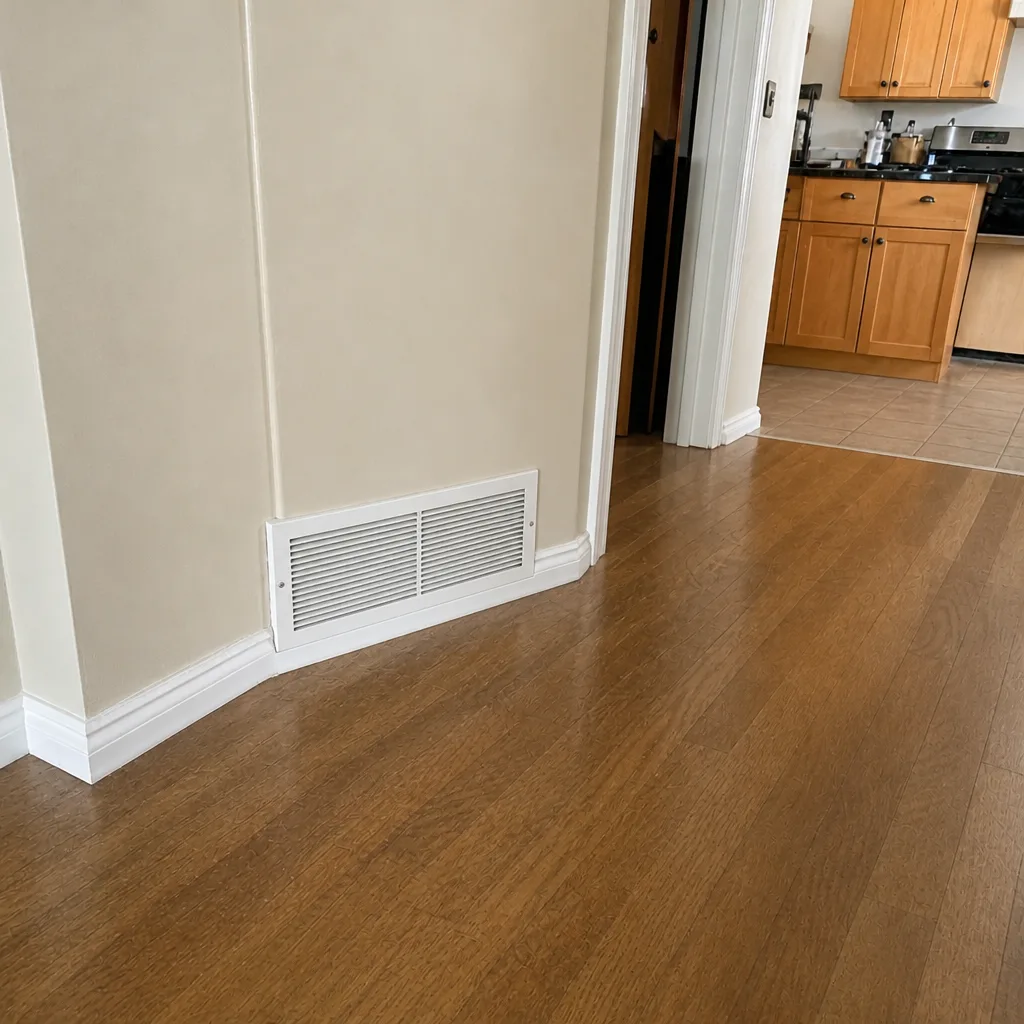
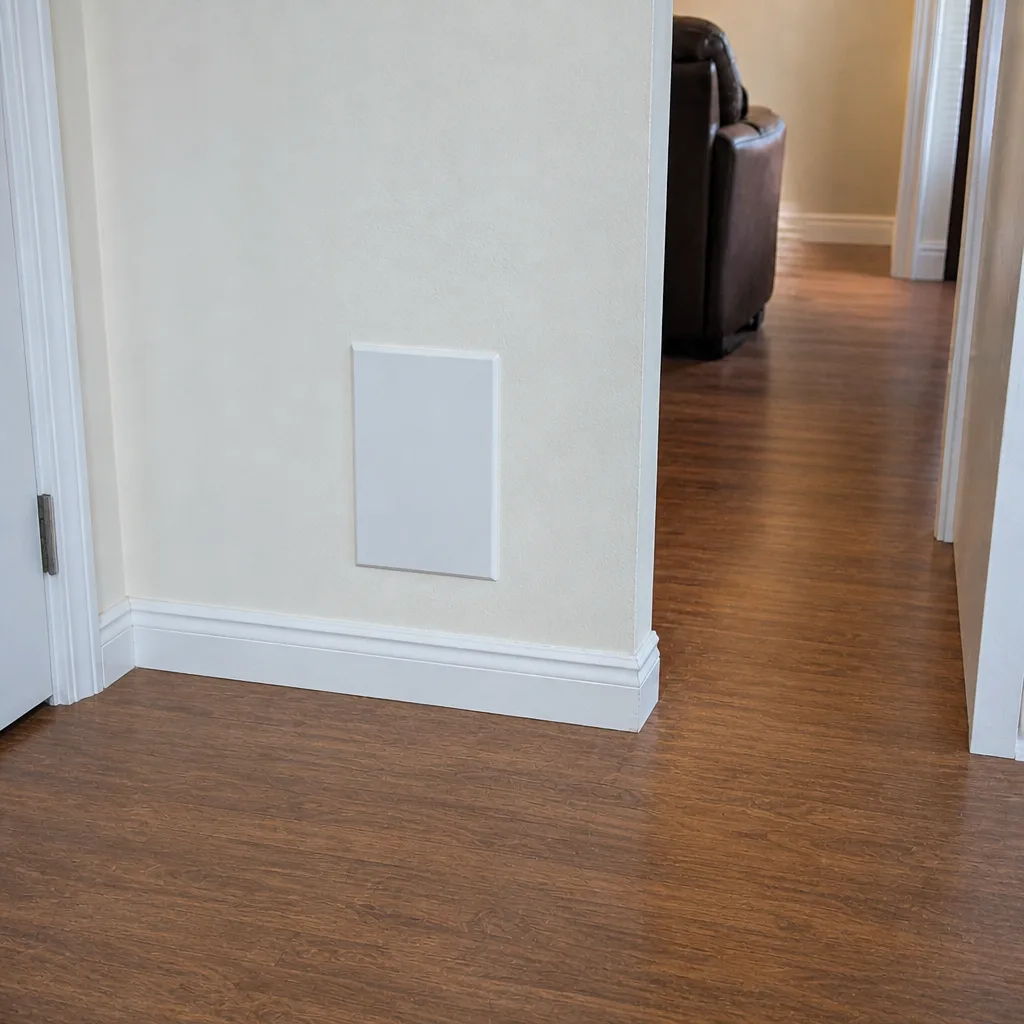
- Verification. Registers and access points are restored, and photos of the before-and-after state of your own ducts are provided so you can see what came out.
Some of that work overlaps with dryer vent service. If you’re having the ducts cleaned, it’s worth having the dryer vent cleaning done in the same visit – the same equipment and containment apply, and the lint load in a dryer vent is a different risk category from dust in an air duct. A dryer vent that’s never been cleaned is a fire concern, not a comfort concern. Some homes also benefit from upgraded filtration or a whole-home air quality product from Honeywell or Aprilaire, which can be installed and serviced alongside the cleaning. We’re authorized to supply and install both lines, so the equipment is matched to the ductwork rather than bolted on afterward.
How to decide for your own home
Here’s a decision framework you can run through in about five minutes:
- Ducts cleaned within the last 2 to 3 years, low-dust home, no recent renovation? DIY maintenance between professional visits is reasonable.
- Never cleaned, or last cleaned more than 5 years ago? Call a professional. DIY won’t reach what’s built up.
- Recent renovation, furnace replacement, or water/moisture event? Call a professional. Construction dust and moisture both require equipment-assist cleaning.
- New home purchase? Call a professional for a baseline inspection before you assume the previous owner did it.
- Visible dust at every register, persistent musty odor, or allergy symptoms that seem tied to the HVAC system? Call a professional.
- Just want the registers to look tidy for a weekend? DIY is fine. Vacuum the grills and move on.
Our technicians have up to 10 years of experience and we’d rather tell you that your DIY plan is sound than sell you a cleaning you don’t need. But if you’re in the “call a professional” column, the visit is straightforward and it produces verifiable results – you see the photos of your own ducts, before and after.
Common Mistakes to Avoid
- Trusting a shop vac to clean a trunk line. The suction you feel at the register drops to nearly nothing a few feet down the duct. You’re tidying the opening and calling it cleaning.
- Using a rotary brush on flex duct without knowing the inner liner is intact. One snag punctures the liner and sends conditioned air into the joist cavity. You’ll pay for that in energy bills, not in an obvious repair.
- Cutting a plenum access hole and sealing it with duct tape. Duct tape fails at temperature, especially at plenum temperatures. Proper sheet metal sealing is a different job.
- Vacuuming damp ductwork with a wet-dry vac. If the duct was damp from a coil issue or a slow leak, trapping moisture creates a biological growth problem you didn’t have before.
- Skipping the air handler entirely. A homeowner can’t open the air handler cabinet safely. Cleaning the visible registers while the coil and blower sit untouched is cosmetic work.
- Cleaning in a South Jordan spring windstorm. Running the system on high fan during a heavy dust event, with a loaded filter, just cycles more fine particulate into the return trunk. Wait for the wind to die down and change the filter first.
- Assuming a $79 coupon covers a real cleaning. A teaser price almost always ends up costing more on the invoice once the technician is on site. Ask for one flat price per system before work starts.
See the difference
 Before
 After
 Before
 After
 Before
 After
When to Call a Professional
Call a specialist when the ductwork hasn’t been cleaned in five years or more, when you’ve had a renovation or furnace replacement, when there’s a musty odor or visible dust at every register, when you’ve bought a home and don’t know the service history, or when anyone in the household has respiratory sensitivity that seems tied to the HVAC cycle. Also call if a DIY attempt already punctured flex duct, dislodged a damper, or left an unsealed access hole – those are repair jobs, not cleaning jobs, and they get worse with time. South Jordan Air Duct Cleaning Pros offers free estimates in South Jordan – call (844) 443-4758. We answer 24/7. Fast dispatch from 7am to 7pm, Sunday through Friday.
When we quote, it’s one flat price per system agreed before work starts. No per-vent pricing, no surprise line items. The local pro is licensed and insured as the state requires, and you get before-and-after photos of your own ducts so you can verify the work that was done.
Frequently Asked Questions
You can clean the register grills and roughly the first 18 inches of visible duct past each register, which addresses visible dust but not the trunk lines, plenum, or air handler where most debris accumulates. For genuinely effective cleaning of the whole system, professional equipment with negative pressure and duct-interior mechanical agitation is required. Call (844) 443-4758 for a free estimate – we’ll tell you honestly whether your system needs it.
Professional whole-system air duct cleaning in the South Jordan market typically runs a few hundred dollars, with the exact price set by the number of registers, the layout of the system, and whether the air handler needs attention. We give one flat price per system agreed before work starts – never a per-vent quote and never a teaser coupon that balloons on the invoice. Call (844) 443-4758 for a free estimate.
Cheap quotes usually cover only a fraction of the system – often just the registers or just the trunk, with the air handler and coil left untouched – or they use consumer-grade equipment that can’t reach the parts that matter. Ask any contractor what equipment they use and whether access points get opened. If the answer doesn’t include mechanical duct-interior cleaning and negative pressure, the price is for something less than a full cleaning. Call (844) 443-4758 for a straight comparison.
You should see before-and-after photos of your own ducts, not stock photos, and the technicians should walk you through what came out of the system. At a professional visit, access points are opened and resealed, and you can ask to see the interior of the trunk before the system is closed back up. Call (844) 443-4758 – we provide photos as part of every estimate and every job.
Most South Jordan homes are fine on a 3 to 5 year cycle, but the interval shifts with conditions – a home with pets, a recent renovation, or a house in the middle of a wind-heavy spring can justify more frequent service. A newly purchased home warrants a one-time baseline cleaning regardless of the previous owner’s timeline. Call (844) 443-4758 for a free assessment.
It can. The three most common DIY injuries to a duct system are punctured flex duct liners, shredded insulated liner inside rigid duct, and dislodged airflow dampers – all of them invisible from the register and all of them expensive to fix. If a brush or nozzle has already snagged something inside a duct, stop and call (844) 443-4758 before running the system again.
The Bottom Line
DIY air duct cleaning isn’t useless – it’s limited. The first 18 inches of visible duct past each register is genuinely reachable, and a quarterly register vacuum is a reasonable maintenance habit for a recently cleaned, low-dust South Jordan home. But the trunk lines, plenum, and air handler are where contaminants actually accumulate, and no consumer vacuum creates the negative pressure or mechanical reach to clean them. The tools a serious DIYer would need cost close to a professional cleaning anyway, and the risks – punctured flex, dislodged dampers, shredded liner – tend to cost more than the cleaning would have. If your system hasn’t been cleaned in years, or you’ve had a renovation, a moisture event, or a new home purchase, it’s time to call a specialist who brings the equipment actually built for the job.
Ready for a free estimate? Call South Jordan Air Duct Cleaning Pros at (844) 443-4758. We answer 24/7. Fast dispatch from 7am to 7pm, Sunday through Friday. One flat price per system agreed before work starts, before-and-after photos of your own ducts, and a satisfaction guarantee on the work. If your home needs a specialist rather than a shop vac, we’ll walk through the plan with you and quote it before anything starts.
Written by the team at South Jordan Air Duct Cleaning Pros.