
Last updated November 25, 2026
 Whole-home duct cleaning
 Dryer vent cleaning
 Camera inspection
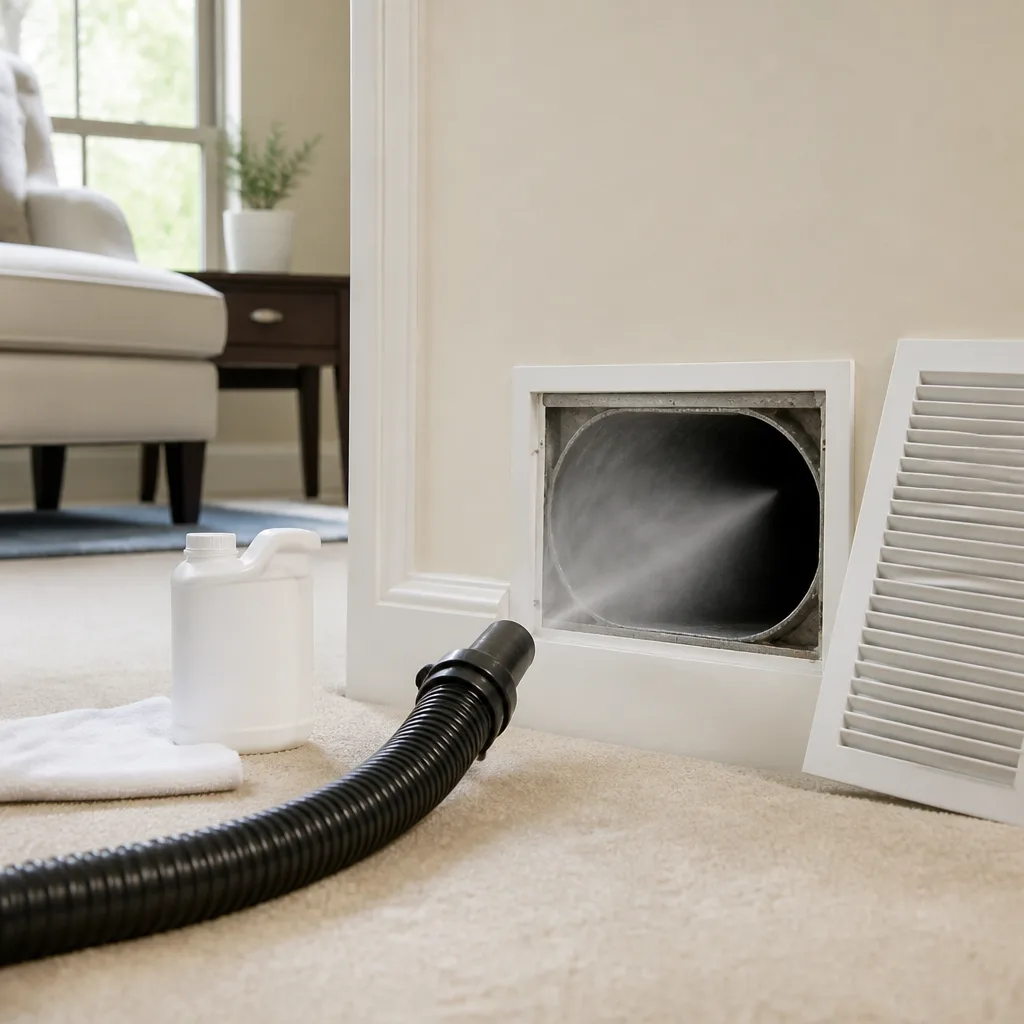 Sanitizing & deodorizing
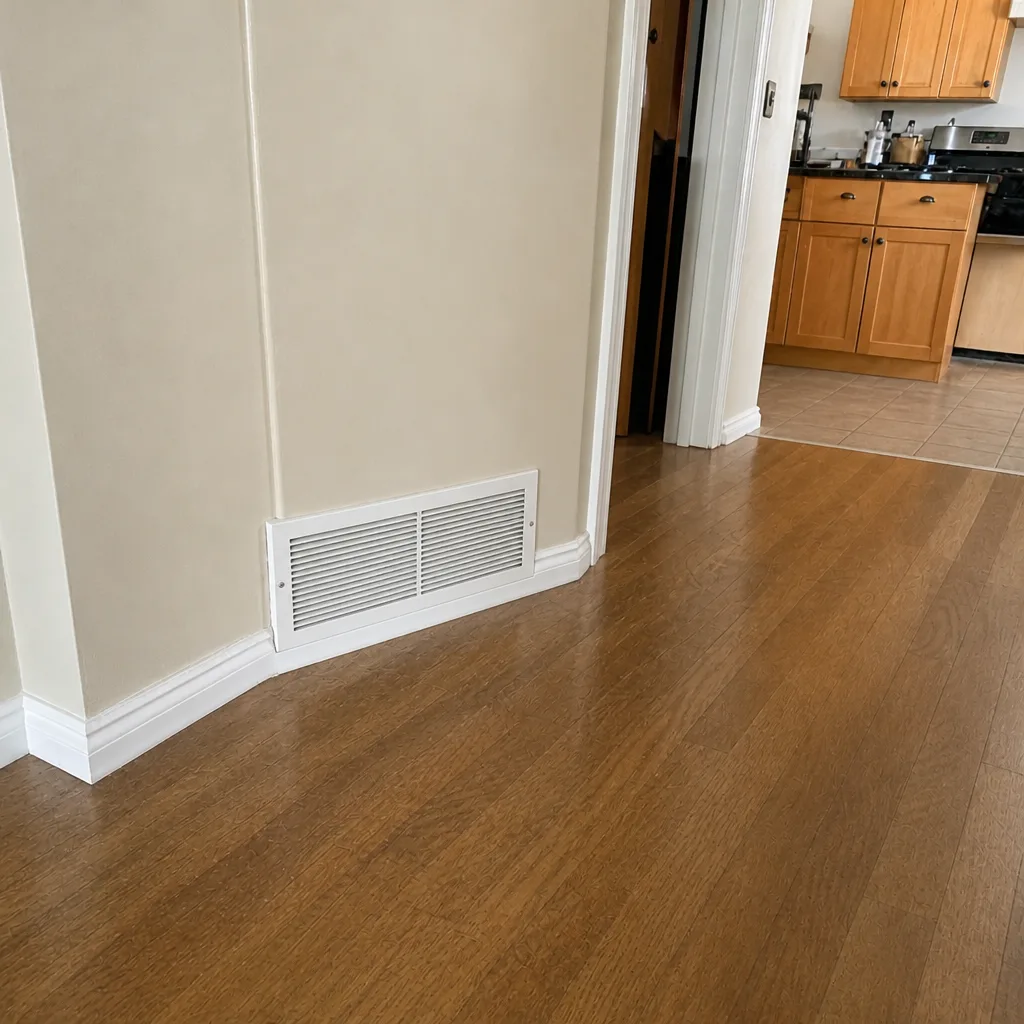
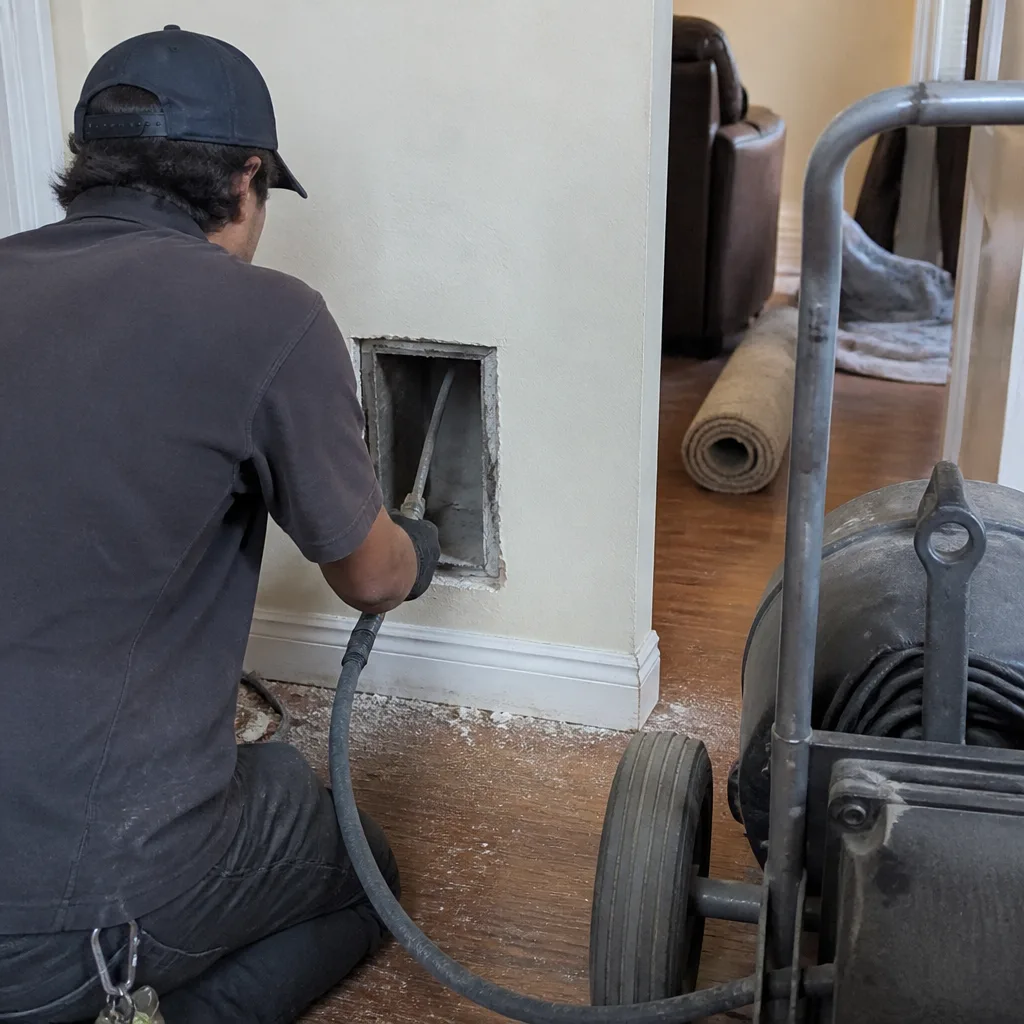
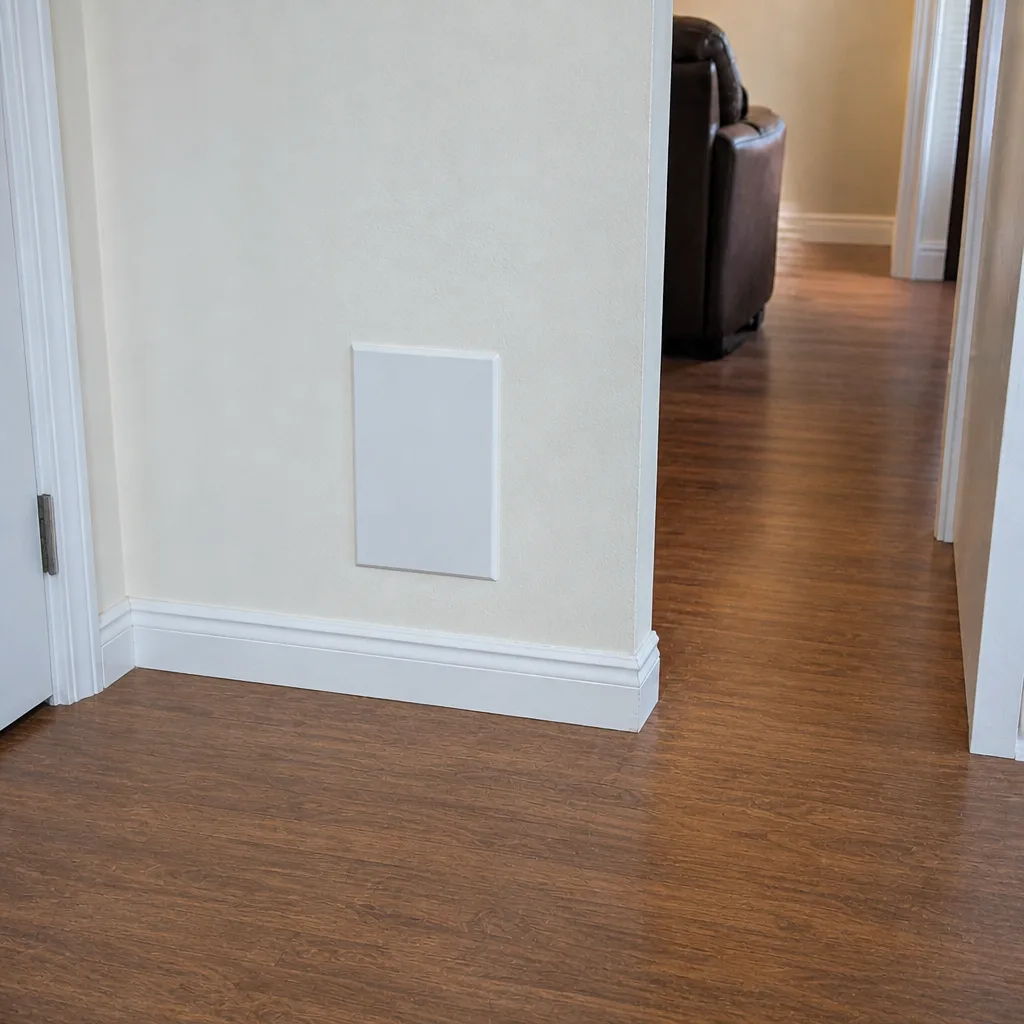
Whole-system duct and dryer vent check with before-and-after photos - you see exactly what came out of your vents
That "$99 whole-house special" is a bait ad - the real number appears once they are in your hallway, or the "clean" is a shop-vac at the register. We photograph the inside of your ducts before and after instead.
Air Duct Cleaning Permits, Codes & Inspections in South Jordan, UT: What You Need to Know
No permit is required to clean your ducts. But the moment a technician cuts into ductwork to replace a section, installs a UV air purifier on your air handler, or adds a return register that wasn’t there before, you’ve crossed into permit territory under Utah’s Mechanical Code. Most South Jordan homeowners never find out until a home inspector flags the work years later, during a sale. This guide walks you through exactly where that line sits, how the city’s permit process works, what an inspection really looks at, and what to ask before you let anyone alter your ductwork.
Quick Answer
Routine air duct cleaning in South Jordan requires no building permit, because cleaning is maintenance, not construction. Permits become necessary when a job changes the mechanical system itself: cutting, adding, removing or relocating duct runs, sealing major leaks as part of a modification, replacing a section of rigid duct, or installing powered air-quality equipment like a UV system or a whole-home unit that ties into the HVAC system. When in doubt, the South Jordan City building department is the authority, not the contractor.
Styles & brands we work with
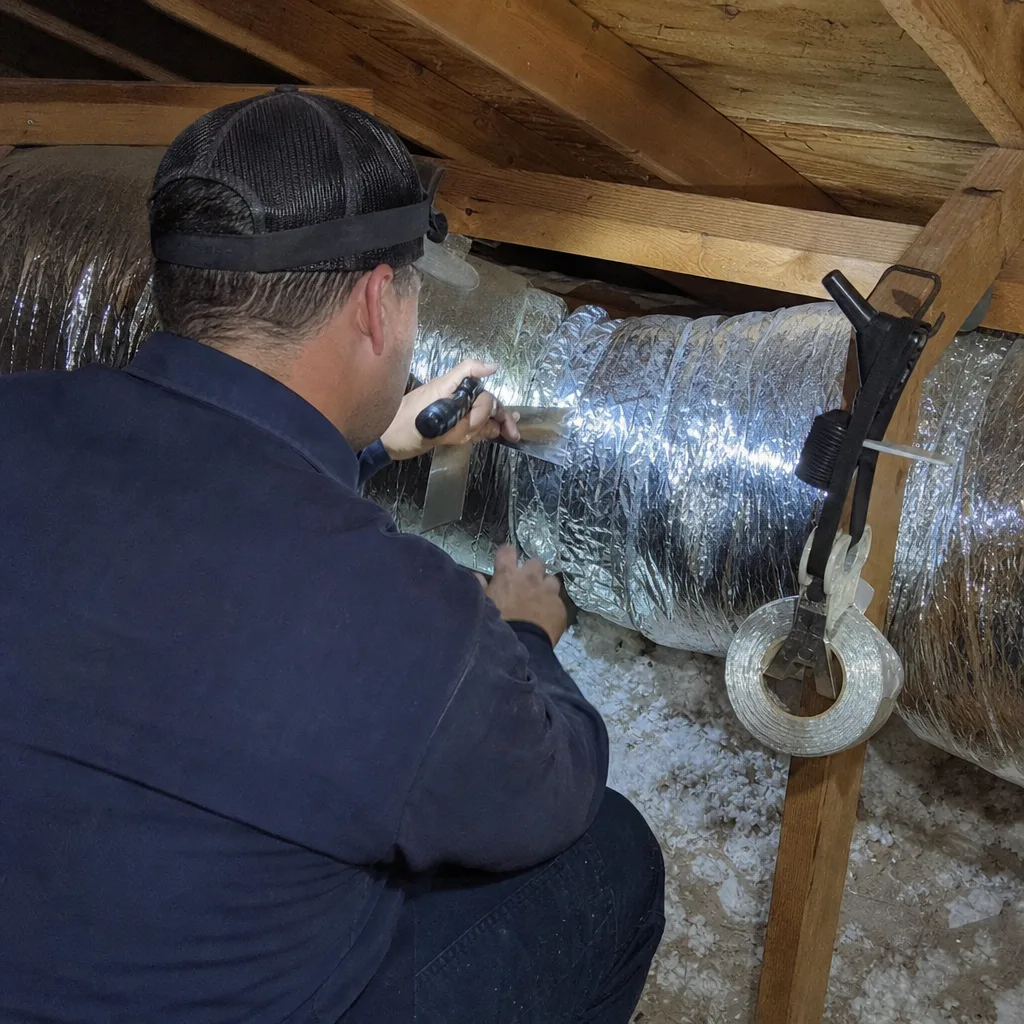
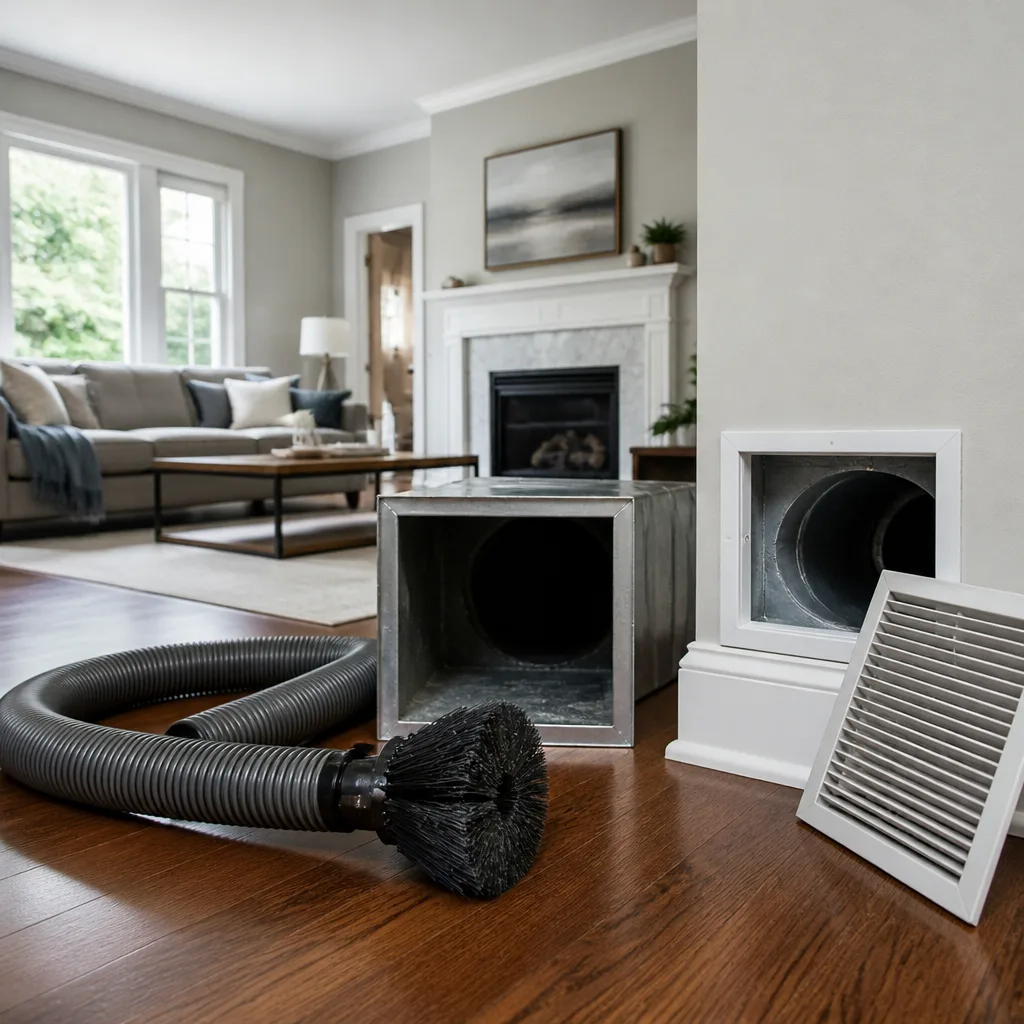
- Whole-home duct cleaning
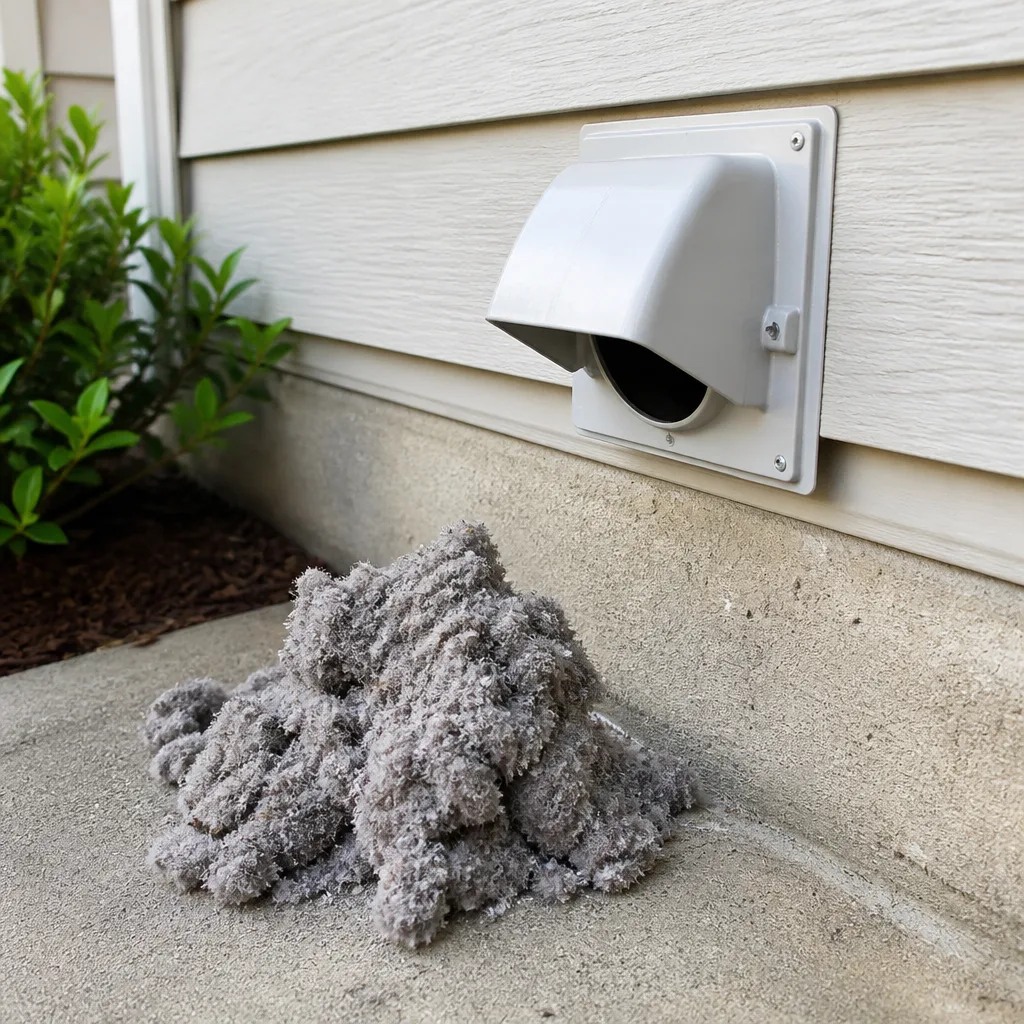
- Dryer vent cleaning
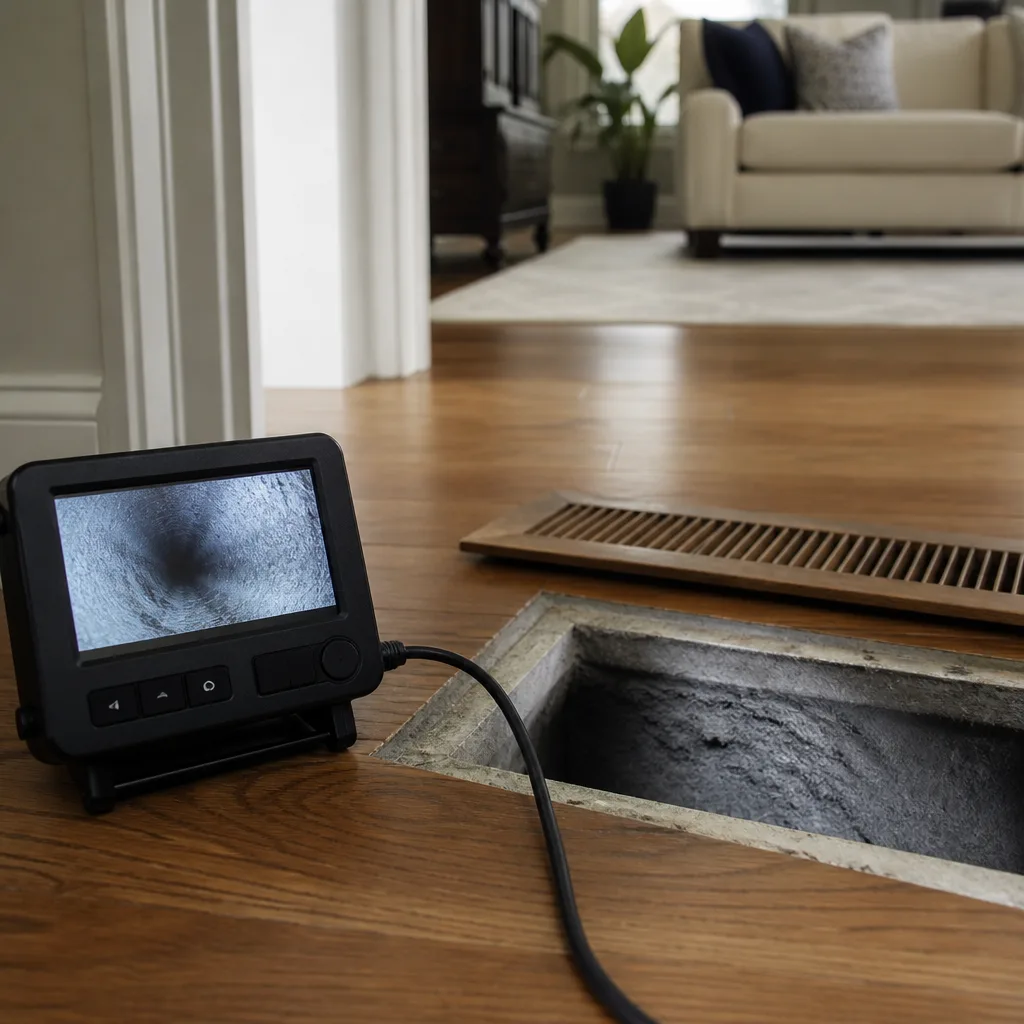
- Camera inspection
- Sanitizing & deodorizing
Table of Contents
- Cleaning vs. Mechanical Alteration: Where the Line Sits
- What Utah’s Adopted Mechanical Code Says About Ductwork
- How the South Jordan City Permit Process Works
- How Unpermitted Duct Work Shows Up on a Home Inspection
- What NADCA’s ACR Standard Requires, and Why It Matters at Inspection
- Questions to Ask Before You Approve Duct Repair
- Licensing, Insurance and Verifying a Contractor
Cleaning vs. Mechanical Alteration: Where the Line Sits
The single most useful distinction in this whole guide is between maintenance and alteration. Cleaning a duct system – pulling the registers, running mechanical agitation through the runs, pulling the debris back into a HEPA-filtered machine – is maintenance. It doesn’t change the system. It doesn’t add or remove anything. Under Utah’s adopted mechanical code, maintenance generally doesn’t require a permit. A job like an air duct cleaning performed on an intact system is squarely on the maintenance side of the line.
Alteration is different. When a technician cuts a new opening, removes a run, repositions a register, or replaces a damaged section of duct with new material, that changes the mechanical system, and the code treats it as work that requires a mechanical permit. It’s the same principle you’d expect with electrical work: replacing a light bulb is nothing, adding a circuit is a permit.
Here’s a working checklist of what typically falls on each side:
- No permit typically required: source removal cleaning, sanitizing coils and interior duct surfaces, cleaning registers and grilles, dryer vent cleaning, replacing a filter, minor sealing of existing joints as part of a cleaning visit.
- Permit typically required: adding a new supply or return run, cutting a new register opening, replacing a section of duct, rerouting a run, installing a powered UV or air purification component hardwired into the HVAC system, adding a whole-home media filtration unit that requires duct modification.
- Ask the city: large-scale sealing of a whole system, conversion of flexible duct to rigid, or any job where the technician isn’t sure. The building department decides, not the contractor’s verbal reassurance.
In our experience, most South Jordan duct cleaning jobs never come close to this line. It’s the added repair that quietly trips it, and it’s the repair a homeowner is least likely to question when a technician recommends it during a cleaning visit.
What Utah’s Adopted Mechanical Code Says About Ductwork
Utah adopts the International Mechanical Code at the state level and cities like South Jordan administer it locally. The practical takeaway for a homeowner is straightforward: when ductwork is modified, it has to be done to code, and the local jurisdiction wants to see it before the drywall goes back up. That’s what a mechanical permit is for.
The code is not an obstacle course. It’s a uniform set of expectations about how ducts get joined, supported, sealed and sized. If a technician is replacing a duct section, the permit process is essentially the city saying: we want to confirm this was done the way the code requires before it becomes permanent. That’s a good thing for a homeowner, because it means the work is documented and inspected by a neutral party.
What tripped us up the first time we dealt with this was how easily a small change becomes a code question. A technician adds a short run to feed a newly finished basement room – that’s a code question. A return is undersized for the room it serves – code question. You move a register six inches – often still a code question, because you’re altering the system. The good news is that the answer is usually simple. The bad news is that a homeowner who never asked is unlikely to know the question existed.
For South Jordan homes, the code question that comes up most often concerns sealing. Duct leakage is a real energy and air-quality cost, and modern code language takes it seriously. If a contractor proposes to seal your whole system as a repair project, that’s the moment to ask about the permit. If they’re simply cleaning the system and doing light touch-up on obvious gaps, the answer is usually different.
How the South Jordan City Permit Process Works
Mechanical permits in South Jordan are handled through the city’s building department. The general flow is straightforward, and a homeowner can follow it in a few steps:
- Confirm a permit is needed. Call the South Jordan City building department with a plain description of the work – not the contractor’s description, yours. “They’re replacing three feet of flexible duct above the furnace and adding a return in the hall” is a description the department can act on. “They’re doing some duct work” is not.
- Have the contractor submit the application. In most residential HVAC cases, the licensed professional who will do the work files the mechanical permit, because they’re the party responsible for the code compliance.
- Pay the permit fee. Most cities publish a fee schedule. Ask the building department for the residential mechanical permit fee rather than relying on what a contractor tells you.
- Schedule the inspection. The work is inspected at the rough-in stage and, in some cases, again at final. The contractor is responsible for calling for the inspection, and you should confirm that they did.
- Get the paperwork. When the job passes, the permit and inspection record become part of the property’s file with the city. Keep a copy. This is the document that saves you trouble at resale.
Turnaround times vary with the department’s caseload and the scope of the job. Small residential mechanical permits often move faster than larger alteration projects, but we don’t quote days here because the city controls that, not the contractor. Call South Jordan City and ask. A five-minute phone call to the building department saves an afternoon of arguing with an inspector later.
If you’re working with an existing contractor, verify the permit before the work begins. In Utah, mechanical work must be performed by a licensed contractor under the state’s licensing requirements. The city can confirm whether a permit has been pulled for your address, and the Division of Professional and Occupational Licensing can confirm whether a contractor’s license is active.
How Unpermitted Duct Work Shows Up on a Home Inspection
Unpermitted duct modifications don’t announce themselves, but they do leave fingerprints. A home inspector who has walked a few hundred South Jordan houses knows what to look for. When they find it, the buyer’s agent writes a repair request, and the seller is the one holding the bill.
The patterns that come up most often:
- Fresh tape on old duct. Duct tape is a red flag for inspectors, because it’s the wrong product for sealing duct joints and it usually covers something. Old code work used duct tape; newer code work doesn’t. A newer patch with fresh tape says “something got cut into.”
- A register that doesn’t match the room. A register added to a finished basement without a permit often doesn’t appear in the original plan the inspector is working from. It’s not a safety problem, but it becomes a documentation problem.
- Powered components wired into the air handler with no permit record. UV systems and additional air-quality components are part of the mechanical system. If they were installed without a permit, the city file will not show the work.
- Sagging flexible duct with no support at code intervals. Improperly supported duct is a code compliance issue and it shows physically. An inspector who knows the code space can spot it.
- A missing final inspection record. If a permit was pulled but never closed out, the file shows an open permit, and open permits have to be resolved before a property can transfer cleanly.
The cost of resolving this at resale is usually much higher than getting the permit up front. It’s not just the permit fee. It’s the inspection that has to be undone or exposed, the contractor who has to come back to fix what wasn’t done right, and the negotiating leverage a buyer takes from open permits on a title report. A $100 permit fee can turn into a several-hundred-dollar problem, or worse, a delayed closing.
South Jordan’s housing stock ranges from newer construction in Daybreak and western South Jordan to older homes closer to the Jordan River corridor and the historic district. In our experience, newer homes tend to have cleaner files because construction was permitted from the start. Older homes are where the unpermitted additions tend to live.
What NADCA’s ACR Standard Requires, and Why It Matters at Inspection
NADCA’s ACR standard – “Assessment, Cleaning, and Restoration of HVAC Systems” – is the industry reference for how a duct cleaning job should be performed and documented. It’s not a law. South Jordan doesn’t enforce it. But it’s the standard a diligent contractor follows, and it’s the standard an inspector can use to evaluate whether the work was done right.
The parts of the ACR standard relevant to a homeowner:
- Assessment before cleaning. A visual assessment of the system should determine whether cleaning is even the right answer and what scope it needs. Cleaning a system that doesn’t need cleaning, or skipping cleaning a system that does, both count as failures of the standard.
- Source removal. The standard requires that the contaminant be physically removed from the system, not just pushed around. That means mechanical contact cleaning with tools like a Rotobrush or Nikro system, not a shop vac pointed at the register.
- Containment and negative pressure. The cleaning area should be under negative pressure with HEPA filtration so contaminants don’t migrate into living space. Abatement Technologies air filtration equipment is in this category – the same equipment used in mold and remediation work.
- Visual documentation. Before-and-after photos of the duct interior are how you prove the work was performed. The ACR standard expects this, and honestly, so should you.
- Post-cleaning verification. The contractor should verify the cleaning was effective, not just declare it done.
Here’s where this intersects with a South Jordan inspection: an inspector who is evaluating ductwork that was cut into and reinstalled wants to see that the reinstalled material is code-compliant. If the contractor who did the work also documented the original scope, kept before-and-after photos, and pulled the permit when the modification required one, the inspection goes smoothly. If any of those is missing, that’s when the questions start.
What we’ve learned doing this work in South Jordan is that the paperwork matters as much as the cleaning. A contractor who keeps good records, uses the right equipment, and pulls permits when they should is the one who leaves behind a system that holds up when someone else looks at it.
Questions to Ask Before You Approve Duct Repair
A duct cleaning visit is not a sales call, but it can become one. If a technician recommends a repair, a seal, or an add-on during a cleaning visit, these are the questions that separate a legitimate recommendation from an upsell.
- “Is this maintenance, alteration, or replacement?” The answer determines whether a permit is involved. If the technician can’t answer the question plainly, they’re not the right person for the repair.
- “Does this work require a mechanical permit in South Jordan?” A licensed professional should know the answer or be able to find out. A contractor who waves off the question is telling you something.
- “Who pulls the permit, and is it included in the written estimate?” If a permit is required, it should be in the written estimate before work starts, not sprung on you after.
- “Will you document the existing condition before you cut into anything?” Before-and-after photos are the single best protection you have against a contractor who does work that later comes back as a surprise at resale.
- “What’s the entire scope, in writing?” One flat price per system, agreed before work begins, is the standard we hold ourselves to. Anything less leaves the door open for the low-quote-to-higher-invoice problem that gives this trade its reputation.
- “Can you show me a before-and-after photo from the last job that looked like mine?” Any contractor who has done professional-grade work has photos to show.
- “Is the duct material compliant with current code?” If they’re proposing to replace existing duct with new material, it should meet the current code, not the code that was in effect when the house was built.
If the technician can answer all seven of those clearly, you’re dealing with a professional. If they can’t, the cleaning might still be fine, but the repair is a different conversation.
Licensing, Insurance and Verifying a Contractor
In Utah, mechanical work is performed by contractors licensed under state requirements. When you hire someone to clean your ducts, the licensing question is simpler than when you hire them to alter them. When the job crosses into repair or replacement, it’s not complicated, but it matters.
What to verify, in order:
- State license. Confirm the contractor holds an active Utah contractor license for the type of work being performed. The state’s Division of Professional and Occupational Licensing maintains this record and it’s a phone call or a website search away.
- Insurance. Ask for a certificate of insurance showing general liability and workers’ compensation coverage. If something goes wrong – a damaged duct, a cracked coil, a hole in a ceiling – you want the contractor’s insurance to cover it, not yours.
- Permit history. The South Jordan City building department can tell you whether a permit exists for work in progress at your address. This is a five-minute check and it’s worth doing before the work begins.
- Equipment. Professional duct cleaning uses specific equipment. Rotobrush and Nikro systems are the mechanical cleaning systems used by contractors who do this for a living, and Abatement Technologies filtration equipment is the containment equipment used on the job. A shop vac from the hardware store is not the same thing, and if a contractor shows up with one, the job is not what you were quoted.
- Written estimate. The price should be one flat rate per system, not a per-vent number that grows as they count registers. Anything else is a red flag.
The licensing and insurance part of this guide is about the local professional performing the work, and the way we handle it is by working only with licensed and insured contractors. For a homeowner, the point is simpler: verify the license, verify the insurance, verify the permit, and don’t skip any of them when the work goes past cleaning.
We handle the full scope of what a system needs – cleaning, HVAC cleaning, dryer vent cleaning, duct repair and sealing, and air quality sanitizing – and we use commercial-grade equipment from Rotobrush, Nikro and Abatement Technologies because the tools determine what’s actually possible. We can also supply and install Honeywell and Aprilaire filtration and air-quality products, which is useful when the right answer is a system upgrade rather than just a cleaning. Surface protection during visits is handled with Guardsman materials, which is the kind of detail that tends to matter to a homeowner who has just had a renovation done. More on what we do and how we work is on the main South Jordan Air Duct Cleaning Pros page.
Common Mistakes to Avoid
- Skipping the permit to save the fee. A mechanical permit fee is minor compared to the cost of resolving an open permit at inspection. Home inspectors in South Jordan are trained to read the city file, and an open permit is exactly what they look for.
- Trusting “we don’t need a permit for that.” Contractors who skip permits usually skip them across every job they do. If a technician waves off the question, ask the city directly. The permit is a record, not a formality.
- Never asking whether the recommended repair is maintenance or alteration. This is the single question that determines whether the pitch you just heard is a maintenance task or a permitted modification. It’s the difference between a simple seal and a project that goes on the city’s radar.
- Accepting a per-vent price as an estimate. Per-vent pricing leaves the total open until the technician counts your registers, and it’s the origin of most complaints in this trade. Ask for one flat price per system, agreed in writing, before work starts.
- Hiring a generalist for what should be a specialist job. A carpet cleaner with a shop vac and a UV light is not a duct cleaning contractor in any meaningful sense of the term. Look for someone whose tools and training match the work.
- Not asking for before-and-after photos. A contractor who took before-and-after photos is a contractor who documented the work. The photos are useful to you at resale and they’re useful to an inspector.
- Waiting until the home is on the market to ask. If a duct alteration was done without a permit years ago, the time to resolve it is now, while you’re the one choosing the contractor, not during a buyer’s inspection contingency window with a closing date.
See the difference
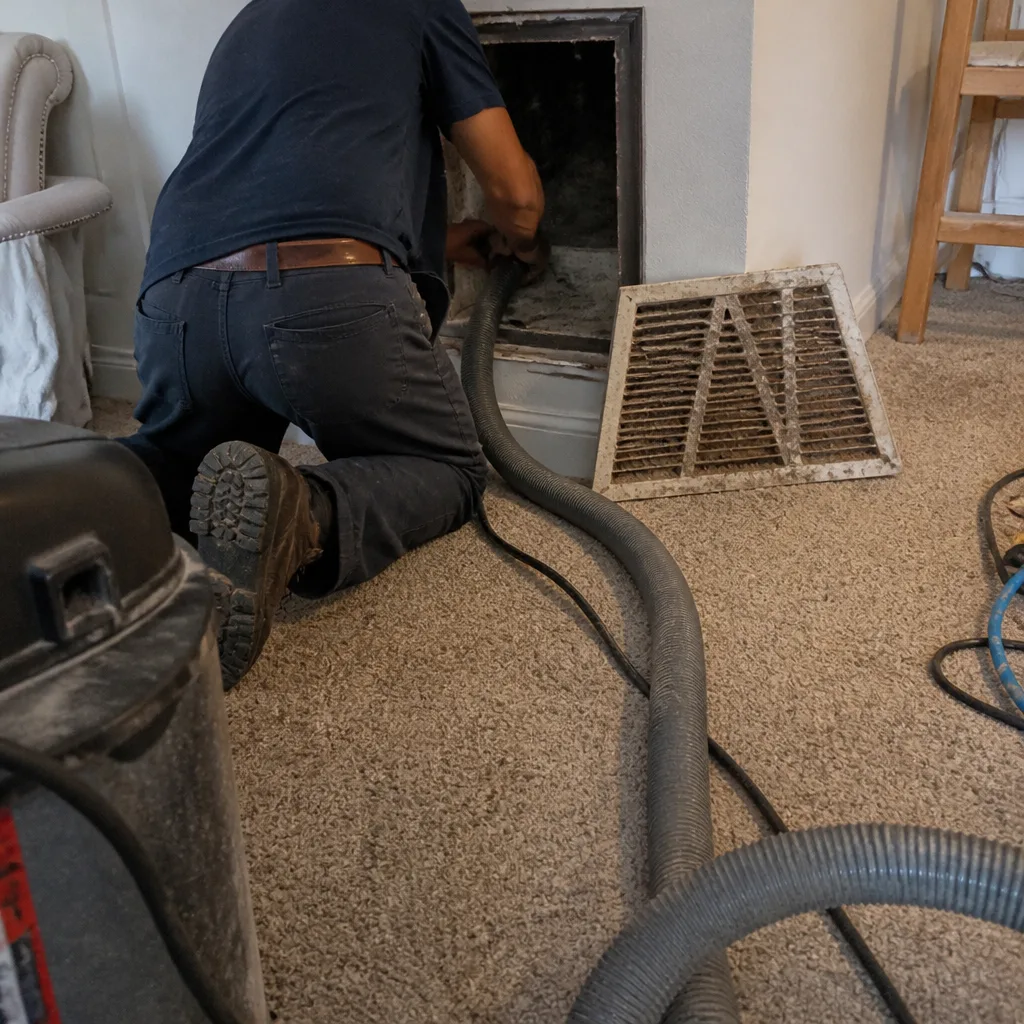 Before
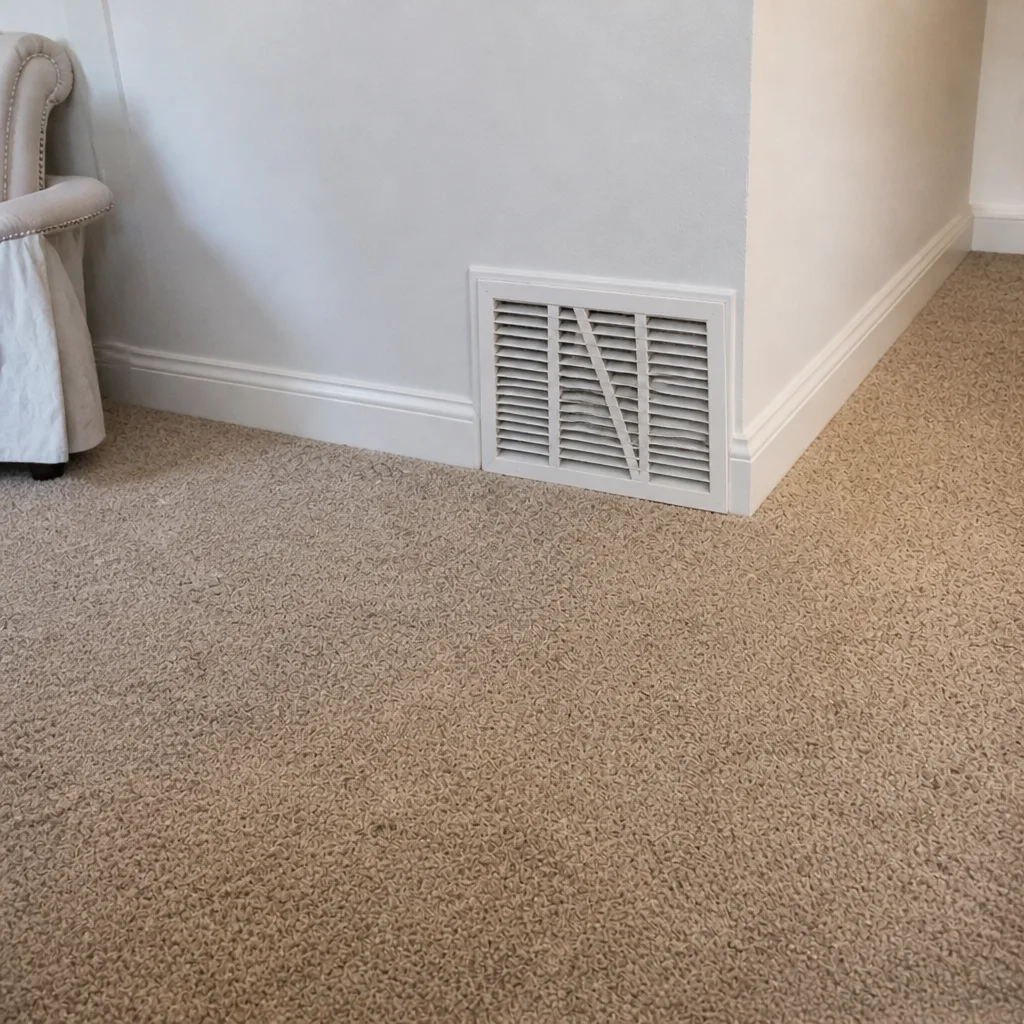 After
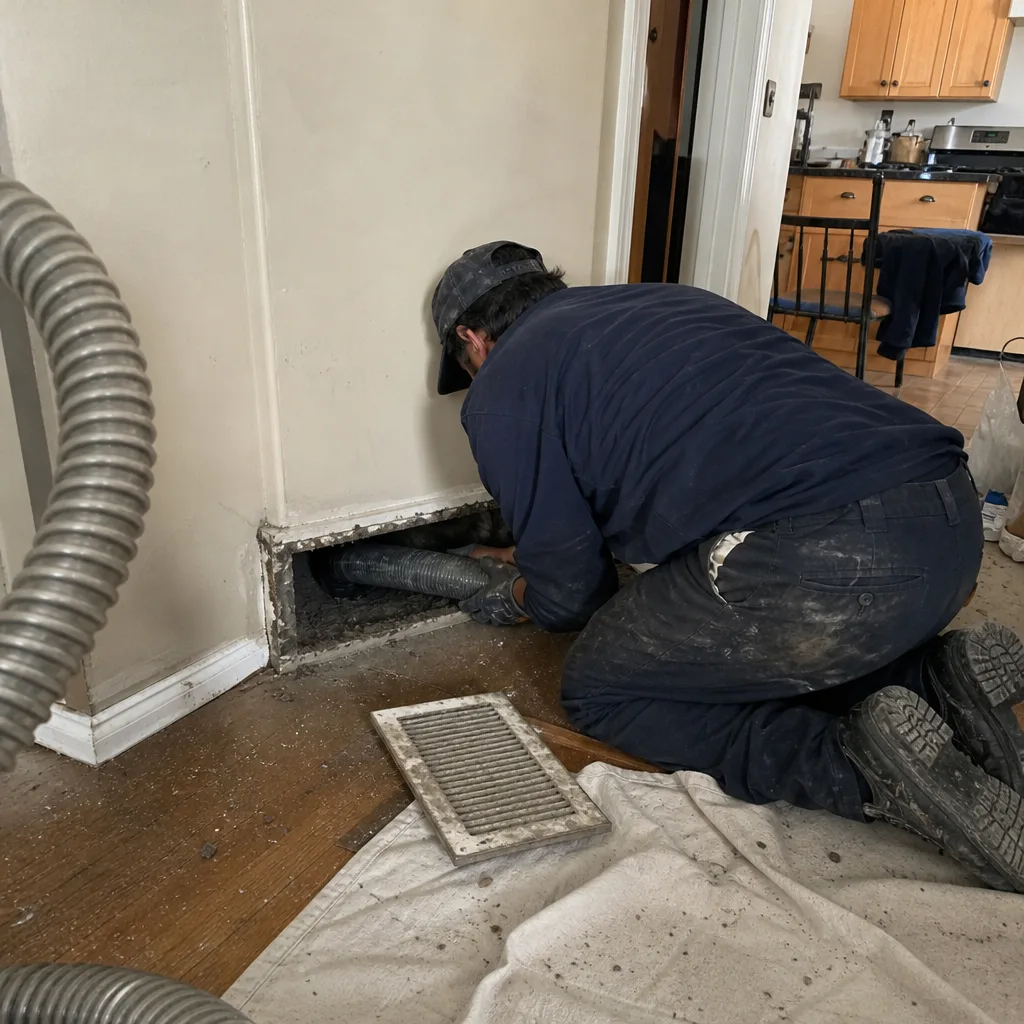 Before
 After
 Before
 After
When to Call a Professional
Some things you can handle yourself, and some things you can’t. Duct cleaning is in the second category because the equipment needed to do it correctly is not the kind of thing a homeowner buys. Beyond that, call a professional when you notice visible dust blowout at registers right after the HVAC kicks on, when a recent renovation left construction dust in the system, when you’re buying a home and the inspection report flags duct issues, or when you’ve inherited an unpermitted alteration and need the situation documented and corrected. South Jordan Air Duct Cleaning Pros offers free estimates in South Jordan – call (844) 443-4758.
Frequently Asked Questions
No, routine air duct cleaning does not require a building permit in South Jordan because cleaning is maintenance, not alteration. A permit becomes relevant only when the job involves cutting into ductwork, adding or removing runs, or installing powered components tied into the HVAC system. If you’re only getting the system cleaned, there’s no permit involved. Call (844) 443-4758 for an exact quote – estimates are free.
Cleaning removes contaminants from an intact system; repair changes the system itself. Cleaning generally doesn’t require a permit in South Jordan, while duct repair – replacing a duct section, rerouting a run, adding a register – typically does, under Utah’s adopted mechanical code. Ask the contractor to describe the work in plain terms and, if it goes past cleaning, call South Jordan City to confirm the permit requirement. Estimates for either scope are free.
Yes, usually. Home inspectors look for signs of unpermitted duct work – fresh tape over old joints, registers that aren’t in the original plans, powered air-quality components with no permit record, or an open permit on the city file. Any of these can become a repair request during the buyer’s inspection period and affect the closing. Getting a permit up front is far less expensive than resolving it at resale. Call (844) 443-4758 to discuss documenting or correcting past work.
Turnaround time and fee both depend on the South Jordan City building department’s current schedule and the scope of the job, so we won’t quote a number the city controls. Call the building department directly and ask them; they’ll give you the residential mechanical permit fee and a realistic timeframe. A contractor who’s familiar with the process can walk you through it, but the city is the authority. Call (844) 443-4758 for a free estimate on the work itself.
The ACR standard isn’t a law South Jordan enforces, but it’s the industry reference for how cleaning should be done and documented, and it’s the standard an inspector can use to judge whether the work was performed correctly. Source removal, negative pressure containment with HEPA filtration, and before-and-after documentation are all part of the standard. A contractor who follows it produces work that holds up when someone else looks at it. Estimates are free – call (844) 443-4758.
Either is fine, but before is usually better. If a duct alteration was done without a permit, we can help you understand what’s there and what the next step is; if the work is still ahead of you, we can help you get the scope, the equipment and the documentation right from the start. Call (844) 443-4758 for a free estimate on cleaning, repair, sealing or air quality work. We answer 24/7, with fast dispatch from 7am to 7pm, Sunday through Friday.
The Bottom Line
Cleaning your ducts in South Jordan doesn’t require a permit. Altering them does. That distinction is the whole guide in one sentence, and it’s the sentence most homeowners never hear until a home inspector finds something unpermitted years later. The permit process in South Jordan is not difficult – it’s a phone call, an application, an inspection and a document – but it’s the contractor’s job to bring it up, and it’s the homeowner’s job to ask if they don’t. Before you approve any duct repair, get the scope in writing, get one flat price per system agreed before work begins, and confirm whether the work crosses the maintenance-alteration line. That’s the difference between a system that holds up at inspection and one that becomes a problem at closing.
Call (844) 443-4758 for a free estimate. We answer 24/7. Fast dispatch from 7am to 7pm, Sunday through Friday.
Written by the team at South Jordan Air Duct Cleaning Pros.